Top Emergency Plumbers in Long Lake, MI, 49684 | Compare & Call

There are 130 plumbing companies server in Long Lake MI
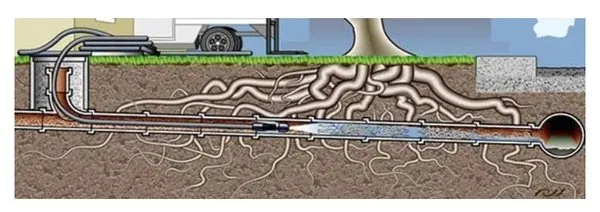
Jett It Sewer and Drain Cleaning is your local Lexington, MI, specialist for clearing stubborn blockages and maintaining your home's essential plumbing systems. We specialize in hydro-jetting, a power...

Mid-State Sewer Service is a licensed and established plumbing resource for Freeland residents and businesses. Since 2019, we've provided reliable drain and sewer solutions, from routine maintenance t...
Mike's Handyman Services is a Bay City-owned and operated business, founded by Mike, a Navy veteran and journeyman plumber. His service in the Navy instilled a strong sense of discipline and integrity...

JTB Flooring & Home Services is a trusted, locally-owned business serving Caro and the surrounding Thumb region. While we began with a strong foundation in floor covering installation, including tile,...

R&D Solutions is a trusted plumbing service provider in Saginaw, MI, specializing in comprehensive solutions for residential plumbing needs. We address common local issues like lead pipe concerns and ...
LJA Home Improvements is your trusted, local partner for a wide range of home services in Freeland and the surrounding area. We are a skilled, honest, and reliable team offering roofing, plumbing, flo...
Klenow & Sons Plumbing has been serving the plumbing, cleaning, and waterproofing needs of Saginaw, Bay, and Midland County residents since 2008. As a family-owned local business, we understand the un...
Goddeyne Plumbing & Heating
Goddeyne Plumbing & Heating is a third-generation, family-owned business proudly serving Bay City and the Tri-Cities area for nearly 75 years. Founded in 1965, we have built our reputation on reliable...

As a Bay City, MI resident, I understand the unique plumbing challenges our homes face. My expertise is built on providing clear, practical information about local sewer and plumbing services to help ...
Doug's Plumbing, Heating & Cooling
For over 35 years, Doug's Plumbing, Heating & Cooling has been the trusted, family-owned solution for Bay City and the Great Lakes Bay region. Since 1986, our team has built a reputation on reliable s...
Estimated Plumbing Costs in Long Lake, MI
Q&A
Are there special considerations for plumbing with a private well and septic system?
Absolutely. Your well pump, pressure tank, and septic system form a closed loop that municipal customers don't manage. Water conservation directly impacts septic health, so efficient fixtures and leak repairs are crucial. Well equipment has a finite lifespan and requires scheduled maintenance. Understanding this integrated system is key to avoiding cascading failures, like a failing pump overwhelming a drain field.
How long do copper pipes typically last in a Long Lake home?
Copper plumbing installed around 1986 is now 40 years old, which is a common lifespan for this material in our area. Homeowners in Long Lake Shores often start seeing persistent pinhole leaks and green corrosion spots on pipe fittings around this age. The pipes haven't failed entirely, but they're entering a period where proactive replacement planning is more cost-effective than chasing repeated repairs. This timeline is consistent with what we see across older neighborhoods here.
What's your response time for a plumbing emergency in Long Lake?
Our typical dispatch from the shop puts us on-site within 45 to 60 minutes. We head past Long Lake Park on US-31, which is the main artery for service calls in the area. Knowing the back roads and seasonal traffic patterns around the lake helps us streamline that route. While we can't control every variable, that's our standard window for getting a truck to your door.
What's the most important winter plumbing tip for the Snow Belt?
Before temperatures hit that 15-degree low, disconnect and drain your exterior garden hoses. An overlooked hose bib can freeze and crack the interior pipe valve, leading to a major leak inside your wall when the spring thaw arrives. It's a simple, five-minute task that prevents one of the most common and costly cold-weather failures we see each year in this climate.
Does hard well water damage my home's plumbing?
Yes, the mineral-heavy water from private wells around Long Lake causes significant scale buildup inside pipes and appliances. Water heaters are particularly vulnerable; sediment and scale drastically reduce efficiency and lifespan. You'll also see crusty deposits on showerheads and faucet aerators, which restrict flow. Installing and maintaining a proper whole-house water softener is not just for comfort—it's essential hardware protection here.
Can the hilly land around Long Lake Park affect my plumbing?
The slope of your property directly impacts drainage and stress on pipes. A main sewer line running downhill can experience increased flow velocity and joint stress over decades. Conversely, flat or low spots in the line on hilly lots are prime locations for debris to collect and cause backups. Proper grading to direct surface water away from the foundation is also critical to prevent basement drainage issues.
Do I need a permit to replace my water heater or repipe my house?
Most major plumbing work in Grand Traverse County requires a permit from the Construction Code Office. As a licensed Master Plumber through the Michigan Department of Licensing and Regulatory Affairs, I handle pulling those permits, scheduling inspections, and ensuring the work meets all current code. My credential means I manage the red tape so you don't have to, and the job is documented correctly for your home's records.
Why are my 1980s copper pipes suddenly springing leaks?
Forty-year-old copper is prone to specific failure modes. A primary issue is dezincification at brass fittings and solder joints, which weakens connections and leads to leaks. Pinhole leaks from internal pitting, often accelerated by our water chemistry, are also common. It's rarely one single leak; it's usually the start of a systemic issue with the plumbing's original installation materials reaching the end of their service life.
