Top Emergency Plumbers in Livonia, MI, 48150 | Compare & Call

There are 223 plumbing companies server in Livonia MI
Best Plumbing
Best Plumbing in Taylor, MI has been the trusted local plumbing expert since 1984, building a reputation for reliable service over our 30+ years in business. As licensed and insured professionals, we ...
WaterWork Plumbing has been serving Ferndale and Metro Detroit since 2006, founded by licensed Master Plumber David Greylen. Starting with a single truck, the company has grown into a team of over twe...
Jens Plumbing Service is a trusted, local plumbing company serving Redford, MI homeowners with comprehensive plumbing solutions. We specialize in addressing common local issues like dishwasher leaks a...

Integrity Plumbing is a Detroit-based plumbing company founded on a simple, powerful principle: honesty in every job. We believe no homeowner should ever feel discouraged or taken advantage of when de...

Pypes Plumbing has served Detroit and Oakland County for years, providing reliable plumbing solutions with a focus on lasting quality. Our team handles everything from routine repairs to complex insta...

TNT Plumbing is a licensed plumbing company serving Detroit and surrounding communities since 1985. With over 20 years of experience, we provide reliable plumbing services for both residential and com...
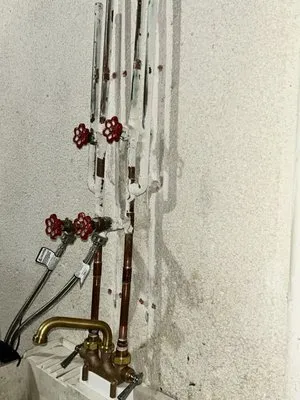
A Absolute Plumbing & Sewer Service has been the trusted, family-owned plumbing company for Clinton Twp homeowners since 1990. We specialize in residential plumbing repair and replacement, offering cl...
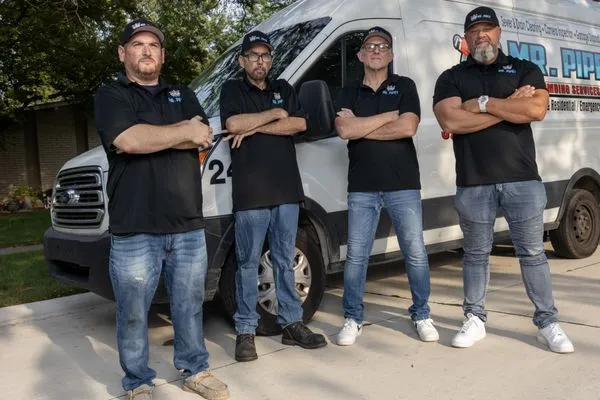
Mr. Pipey Plumbing is a Detroit-based plumbing service that specializes in resolving drain and sewer problems with effective methods. Our team uses snaking to clear blockages, hydrojetting to clean pi...
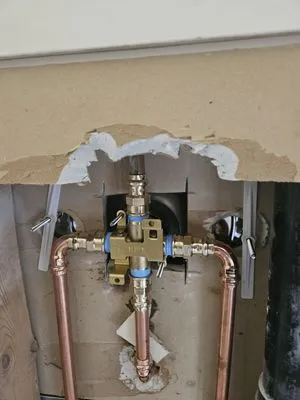
QMB GROUP is a Detroit plumbing company founded on a legacy of service and skill. Owner Mike's career began right after high school when he trained as a plumber in the U.S. Navy. After his honorable s...
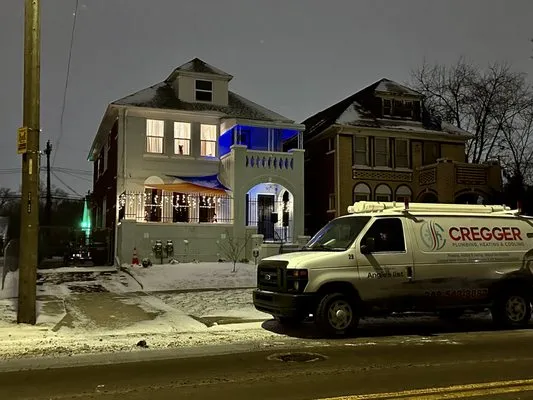
Cregger Plumbing, Heating & Cooling
Cregger Plumbing, Heating & Cooling is a third-generation family-owned business serving Ferndale and surrounding communities since 1987. Founded on deep plumbing expertise that began with the current ...
Estimated Plumbing Costs in Livonia, MI
Common Questions
Could the flat land around here cause drainage issues with my main sewer line?
The generally plain terrain in areas like Greenmead Historical Park means there's little natural slope to assist drainage. For your home's main sewer lateral, this requires a precise, consistent pitch all the way to the city main. Over decades, even minor soil settlement can create a low spot or belly in the line where waste and debris collect, eventually leading to a blockage. It's a common reason we're called for main line cleanouts in these neighborhoods.
How long does it take a plumber to get to my house if I have a leak?
From my shop, I can get to most homes in the city within 20-30 minutes. A common dispatch route for calls west of the I-275 corridor is to head out past Greenmead Historical Park and then take I-96 to connect across the city. Knowing these main arteries helps us provide a reliable response time for emergencies.
Why do galvanized pipes from the 60s fail, and what should I look for?
Galvanized steel pipes from that era fail internally long before they show external rust. The zinc coating wears away over decades, exposing the bare steel to constant water contact. This leads to two main issues: joint calcification, where fittings become brittle and sealed with corrosion, and pinhole leaks from tuberculation—rough, scale-covered pits in the pipe wall. Listen for a knocking sound when you shut off a faucet; it often means loose scale is banging around inside.
What's the best thing I can do in spring to avoid a plumbing problem?
Before the spring thaw hits its peak, go into your basement and visually inspect all exposed pipes for any signs of condensation or minor weeping. The rapid temperature swings we see—from our winter lows near 18°F up to the 50s—can cause pipe joints to contract and expand, revealing weaknesses. Catching a small drip before the full thaw prevents a major leak when the ground fully saturates and water pressure normalizes.
My water pressure seems low and my water looks rusty sometimes. Is it my pipes?
That's a classic sign of galvanized steel pipes reaching the end of their service life. For a home built around 1964 in Livonia, those pipes are now 62 years old. The interior of the pipe corrodes and builds up with mineral scale from our hard water, shrinking the diameter. What starts as a slight drop in pressure can progress to sudden pinhole leaks. In older Livonia Center neighborhoods, we're seeing a wave of these full-system replacements.
Does Livonia's hard water damage my plumbing fixtures or water heater?
Yes, significantly. Our water, drawn from the Detroit River, is high in minerals like calcium and magnesium. This causes scale buildup inside fixtures, reducing flow, and is particularly hard on water heaters. Scale acts as an insulator on the heating elements, forcing the unit to work harder and fail sooner. Installing a whole-house water softener is the most effective defense to extend the life of all your appliances and piping.
As a suburban homeowner, what's my responsibility for the sewer line?
You are responsible for the entire lateral line from your house out to the connection with the city's main sewer in the street. In a mature suburban setting like Livonia, the two biggest threats to that lateral are shifting clay soil and tree root intrusion. Roots seek out the moisture and nutrients in even a tiny crack in a pipe joint. An annual camera inspection can identify root growth or joint separation before it causes a backup into your home.
Do I need a permit to replace my water heater, and who handles that?
Yes, the Livonia Inspection Department requires permits for water heater replacements to ensure proper safety codes, like expansion tanks and pressure relief valve discharge, are met. As a master plumber licensed by the Michigan Department of Licensing and Regulatory Affairs, I pull all necessary permits, schedule the inspections, and handle the red tape so you don't have to. This protects your home's value and ensures the installation is documented and safe.
