Top Emergency Plumbers in Littlefield, MI, 49706 | Compare & Call

There are 226 plumbing companies server in Littlefield MI

Best Plumbing
Best Plumbing in Taylor, MI has been the trusted local plumbing expert since 1984, building a reputation for reliable service over our 30+ years in business. As licensed and insured professionals, we ...

WaterWork Plumbing has been serving Ferndale and Metro Detroit since 2006, founded by licensed Master Plumber David Greylen. Starting with a single truck, the company has grown into a team of over twe...
Jens Plumbing Service is a trusted, local plumbing company serving Redford, MI homeowners with comprehensive plumbing solutions. We specialize in addressing common local issues like dishwasher leaks a...

Integrity Plumbing is a Detroit-based plumbing company founded on a simple, powerful principle: honesty in every job. We believe no homeowner should ever feel discouraged or taken advantage of when de...

Pypes Plumbing has served Detroit and Oakland County for years, providing reliable plumbing solutions with a focus on lasting quality. Our team handles everything from routine repairs to complex insta...

TNT Plumbing is a licensed plumbing company serving Detroit and surrounding communities since 1985. With over 20 years of experience, we provide reliable plumbing services for both residential and com...
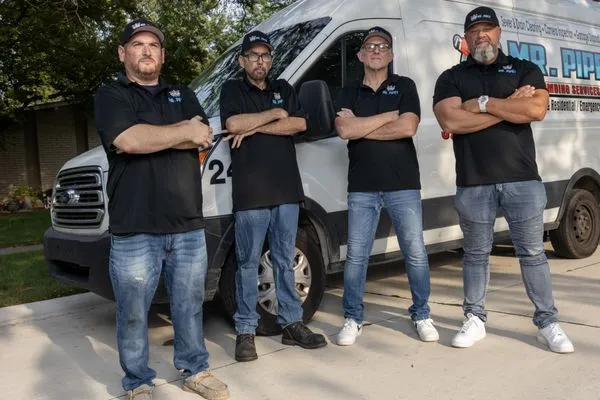
Mr. Pipey Plumbing is a Detroit-based plumbing service that specializes in resolving drain and sewer problems with effective methods. Our team uses snaking to clear blockages, hydrojetting to clean pi...
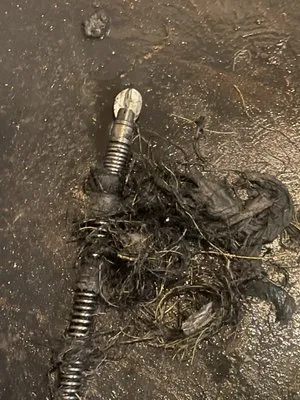
Detroit Helpers is a family-founded plumbing service deeply rooted in the Detroit community. With over 15 years of combined experience, we operate with a simple, honest mission: to provide reliable pl...
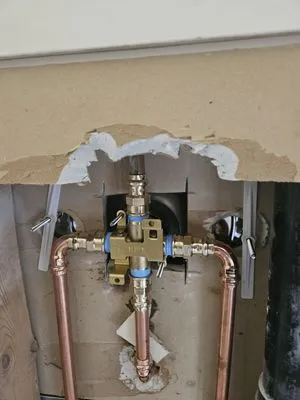
QMB GROUP is a Detroit plumbing company founded on a legacy of service and skill. Owner Mike's career began right after high school when he trained as a plumber in the U.S. Navy. After his honorable s...

Buckhave Tom Plumbing is a trusted local plumbing service dedicated to serving homeowners in Rochester Hills, MI. With deep roots in the community, we understand the specific challenges posed by the a...
Estimated Plumbing Costs in Littlefield, MI
Questions and Answers
Why do my copper pipes keep springing leaks?
Copper pipes from 1982 installations often develop pinhole leaks due to electrolytic corrosion and scale buildup. The joint connections, particularly where copper meets other metals without proper dielectric unions, create galvanic corrosion points. Over four decades, this corrosion eats through pipe walls, starting with small leaks that expand as water pressure works on the weakened spots.
Who handles permits for plumbing work in Emmet County?
I coordinate directly with the Emmet County Building Department for all required permits and inspections. My Michigan Department of Licensing and Regulatory Affairs credentials cover the necessary bonding and insurance for residential plumbing work. This means homeowners don't need to navigate bureaucratic requirements themselves—I handle the red tape so installations meet current code standards without delays.
How quickly can a plumber reach my home in Littlefield?
Heading past Littlefield Township Park on I-75, our dispatch route covers most of the township within 45-60 minutes. The interstate provides direct access to residential areas, though rural driveways and seasonal conditions can add minutes. We prioritize emergency calls with this travel time in mind, keeping trucks stocked for common local issues.
Does hard water from my well damage plumbing fixtures?
Private wells in Littlefield pull water with high mineral content that causes scaling. This buildup accumulates inside water heaters, reducing efficiency and shortening their lifespan by several years. Fixtures like showerheads and faucet aerators clog with mineral deposits, decreasing water pressure while increasing strain on your pump system. Regular descaling maintenance becomes essential with this water profile.
What should I do before spring thaw to prevent plumbing problems?
Before temperatures rise above freezing, disconnect garden hoses and shut off exterior water valves. Insulate exposed pipes in crawl spaces and basements, as 12°F lows followed by rapid warming during spring thaw can cause pipes to expand and contract dramatically. Keep your thermostat set to at least 55°F when away during cold snaps to maintain consistent interior temperatures that protect plumbing.
As a rural homeowner, what plumbing systems need special attention?
Private wells and septic systems require regular maintenance that municipal systems don't. Well pumps and pressure tanks need annual checks for proper operation and pressure settings. Septic tanks should be pumped every 3-5 years depending on household size, and drain fields require protection from root intrusion and soil compaction. These systems work harder in rural settings without municipal backups.
My Littlefield Village home was built in the early 80s - should I be worried about my plumbing?
Copper pipes installed around 1982 are now 44 years old. At this age, homeowners in Littlefield Village often notice pinhole leaks appearing in bathroom walls or ceilings, especially near joints. The copper has undergone decades of water flow and mineral interaction, which thins the pipe walls over time. These leaks typically start small but can escalate quickly once the protective lining wears through.
Could the flat land around Littlefield Township Park affect my drainage?
The plain terrain lacks natural slope for water runoff, which can lead to pooling around foundations during heavy rain or snowmelt. This puts constant hydrostatic pressure on your main sewer line, potentially causing joint separation or pipe shifting over time. Proper grading away from your home's foundation becomes critical to prevent water from seeking paths through cracks in basement walls or floor drains.
