Top Emergency Plumbers in Lima, MI, 48103 | Compare & Call

There are 189 plumbing companies server in Lima MI
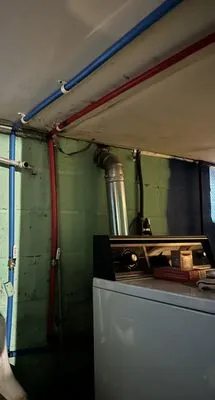
Edge Plumbing is a trusted local provider serving Toledo and surrounding Ohio communities with comprehensive residential plumbing services. Our team specializes in everything from routine maintenance ...
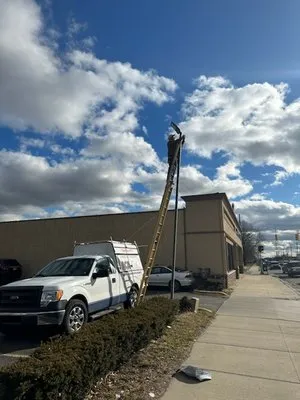
Gus The Handyman is a trusted, full-service provider for Livonia homeowners. We specialize in solving a wide range of household problems, from appliance repair to electrical work. A common local issue...
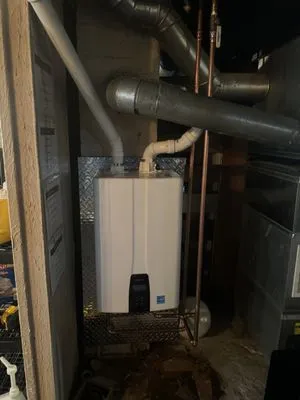
Pete The Plumber is a trusted, licensed plumbing contractor serving Dearborn Heights and Southeast Michigan with reliable plumbing solutions. Our team of UA union-trained and licensed plumbers is avai...
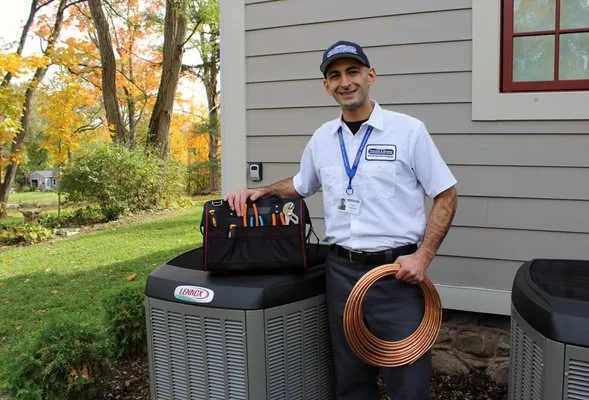
Thornton & Grooms
Thornton & Grooms is a family-run heating, cooling, and plumbing company that has been a trusted part of the metro Detroit community since 1937. Now led by the second and third generation, the team is...
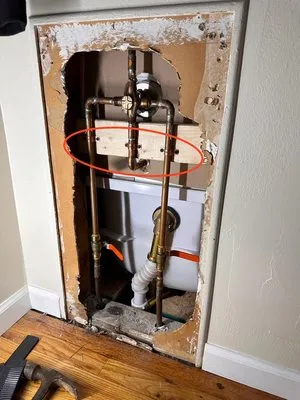
Cumming's Plumbing has been the trusted plumbing expert for Plymouth, MI, homes and businesses since 1958. As a family-owned, licensed, and insured company, we understand the specific challenges local...
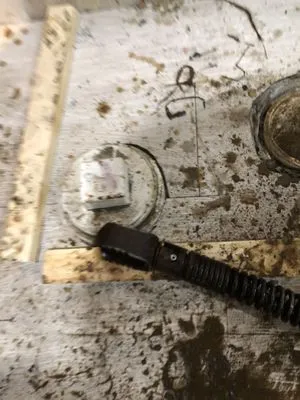
Shawn's Botany and Landscaping is a Detroit-based company that combines expert landscaping with comprehensive plumbing services to address both outdoor and indoor home needs. Serving the local communi...
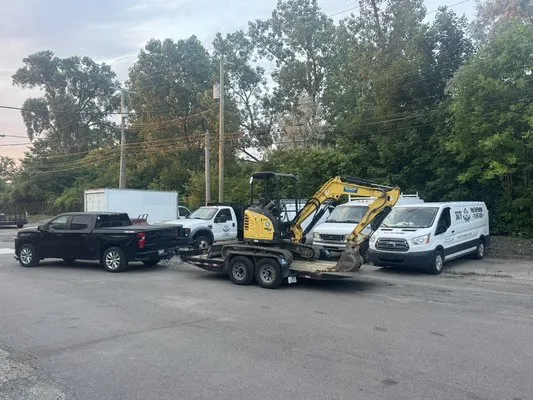
Pete The Plumber is a trusted local plumbing service in Plymouth, MI, dedicated to solving the common plumbing challenges homeowners face in our community. We specialize in addressing issues like kitc...
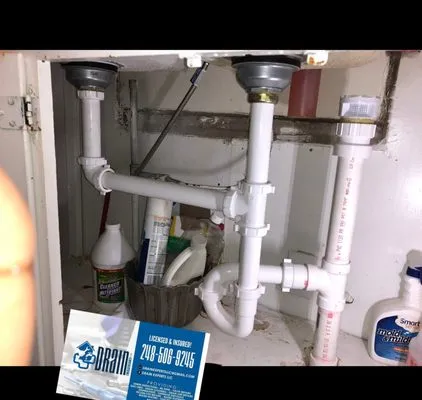
Drain Experts is a trusted, full-service plumbing company serving Westland, MI, and the surrounding communities. We provide comprehensive plumbing solutions, from emergency drain cleaning and sewer re...
Brock's Plumbing & Sewer Cleaning
Brock's Plumbing & Sewer Cleaning is a Detroit-based plumbing company that has been serving homeowners and businesses since 2003. Founded by a licensed and insured plumber with experience from a natio...
Pete The Plumber has been serving Detroit and Southeast Michigan since 1999, bringing over 25 years of plumbing expertise to both residential and commercial settings. Our team consists exclusively of ...
Estimated Plumbing Costs in Lima, MI
FAQs
Our copper pipes are from 1982 - what should we expect at this age?
Copper plumbing installed around 1982 is now 44 years old. Homeowners in Lima Center are seeing pinhole leaks develop in straight pipe runs, particularly where water velocity is highest. The copper has thinned from decades of water flow and mineral abrasion. These leaks often start as small damp spots on ceilings or walls before becoming visible drips.
Does hard well water damage our plumbing fixtures?
Hard water from private wells deposits scale inside water heaters, reducing efficiency by 20-30% over five years. Faucet aerators clog monthly with mineral buildup, and showerheads lose pressure. The calcium and magnesium in Lima's groundwater accelerate corrosion in water heater tanks and create rough interior surfaces that trap sediment.
Why do our 1980s copper pipes keep developing leaks?
Copper pipes from that era experience joint calcification where solder connections meet fittings. Mineral deposits build up inside the joints, creating stress points that eventually crack. The copper itself becomes brittle after 40+ years of thermal expansion and contraction. These failures typically occur at elbows, tees, and valve connections rather than mid-pipe.
Who handles permits for plumbing work in Lima Township?
I file all required paperwork with the Lima Township Building Department and maintain current Michigan Department of Licensing and Regulatory Affairs credentials. Homeowners don't need to navigate inspection schedules or code compliance details. Proper permitting ensures work meets current standards and protects your property value during future assessments.
How quickly can a plumber reach our home in Lima?
Heading past Hudson Mills Metropark on I-94 gets me to most Lima addresses within 45-60 minutes. I keep a stocked service van ready for common copper repair scenarios. That route avoids local traffic bottlenecks while maintaining access to both rural roads and Lima Center neighborhoods.
What spring maintenance prevents plumbing emergencies here?
Check your main water shutoff valve every March before spring thaw. Temperatures dropping to 15°F then warming rapidly can cause ground movement that stresses pipe connections. Insulate exposed pipes in crawl spaces, and test sump pumps before the seasonal rain increase. These steps address the specific freeze-thaw cycle patterns in our temperate climate.
How does rural living impact our septic and well systems?
Private wells require annual pressure tank checks and occasional pump replacements that municipal systems don't. Septic fields need inspection every 2-3 years since there's no city sewer backup. Water softeners become essential equipment rather than optional upgrades. The isolation means emergency response takes planning, so preventive maintenance matters more than in urban areas.
Could the flat land around Hudson Mills affect our drainage?
Plain terrain with minimal slope causes water to pool around foundation drains during heavy rains. This puts hydraulic pressure on your main sewer line where it exits the house. The soil composition around Hudson Mills retains moisture longer, potentially softening the ground support under buried pipes. Proper grading away from the foundation becomes critical for preventing main line stress.
