Top Emergency Plumbers in Lawrence Township, MI, 49064 | Compare & Call

There are 46 plumbing companies server in Lawrence Township MI

Lakeshore Plumbing & Mechanical is your trusted local plumbing and sewer specialist serving Cato, WI, and the surrounding communities. We understand the unique plumbing challenges faced by homeowners ...
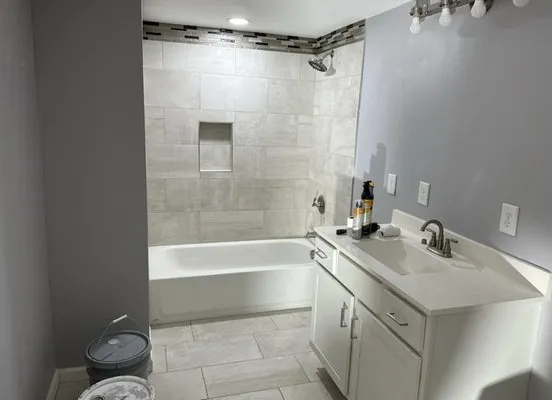
Visionary Home Improvements
Visionary Home Improvements is a trusted South Bend plumbing and home repair company founded by Tarrin, Jason, and Cal. With nearly four decades of combined experience in home repairs, property manage...
Wassink Plumbing
Founded in 2018 by licensed Plumbing Contractor Chad Wassink, Wassink Plumbing brings over 14 years of professional experience to every job in Holland and West Michigan. Chad began his career in 2005,...
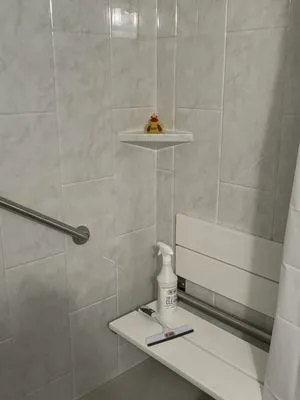
Re-Bath in Grand Rapids, MI specializes in bathroom remodeling services for local homeowners. Founded in 1979, we introduced "The Refreshing Remodel" approach, handling every aspect of bathroom update...
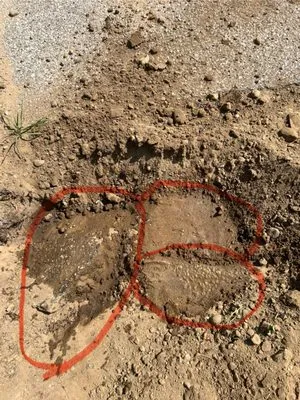
Whitney Services, led by master electrician Tim, has been a trusted name in Kalamazoo for plumbing, electrical, and HVAC needs. Founded on integrity and professionalism, Tim’s positive approach ensure...

Elite Pipeline Services
Elite Pipeline Services is a family-run business established in Allendale, MI, in 2005. We specialize in trenchless sewer repair and pipeline rehabilitation, offering residents and businesses a way to...
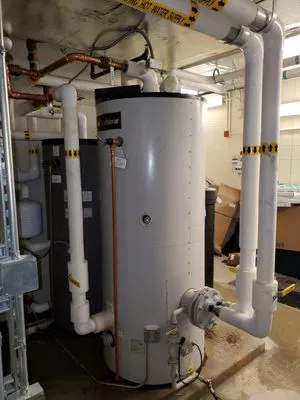
Wilcox Plumbing and Piping
Wilcox Plumbing and Piping is a locally-owned plumbing service in Scotts, MI, with nearly four decades of combined experience. Founded by two skilled plumbers who previously served top contractors acr...
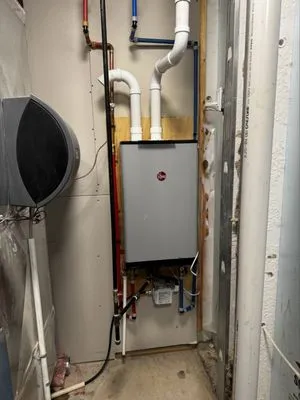
BrucePros is a family and veteran-owned plumbing business serving Kalamazoo and southwest Michigan since 1980. We specialize in comprehensive plumbing services including bathtub, faucet, sink, toilet,...

Matt Miller Plumbing & Mechanical
Matt Miller Plumbing & Mechanical is a trusted local plumbing service in Paw Paw, MI, owned and operated by Matt Miller, a life-long resident with over 30 years of experience. As an active member of t...
D. Wood Plumbing was founded in Kalamazoo in 2009 by Dan and Leandra Wood, continuing a family tradition that began in 1908. Dan Wood grew up in the Kalamazoo/Portage area, learning the trade from his...
Estimated Plumbing Costs in Lawrence Township, MI
FAQs
What permits are needed for a water heater or re-pipe job in Van Buren County?
Most substantial plumbing work, like replacing a water heater or re-piping, requires a permit from the Van Buren County Building Department. As a licensed Master Plumber through the Michigan Department of Licensing and Regulatory Affairs, I pull those permits, schedule the required inspections, and ensure the work meets all current codes. I handle that red tape so you don't have to navigate the county bureaucracy yourself.
How quickly can a plumber get to my house in Lawrence Township during an emergency?
From my shop, the dispatch route heads past Lawrence Village Park to catch I-94. That interstate access means I can typically be on-site in 45 to 60 minutes for an urgent call. Traffic is usually light, but during heavy lake-effect snow or the spring thaw, I factor in extra time from the highway to your door to ensure a safe arrival.
Does having a private well with hard water damage my home's plumbing fixtures?
Yes, the high mineral content from private wells causes significant scale buildup. This is most damaging to water heaters, where sediment insulates the heating elements and drastically shortens the tank's lifespan. You'll also see it crusting on faucet aerators and showerheads, reducing flow and pressure. Over time, this scaling can restrict water flow within the pipes themselves.
Are there special plumbing considerations for a rural home like mine with a well and septic?
Absolutely. Your well pump and pressure tank are critical components that city homes don't have; sediment from hard water can foul the pump. On the septic side, what goes down your drains directly impacts the drain field. Harsh chemicals, excessive garbage disposal use, or non-septic-safe products can disrupt the bacterial balance and lead to costly system failure, requiring coordination with Van Buren County for repairs.
Could the flat land around here be causing my slow drains or sewer problems?
The relatively plain terrain around Lawrence Village Park can complicate drainage. Without a pronounced slope, waste from your home relies more on the precise grading of the main sewer line. If that line settles or bellies over time, it can create a low spot where solids collect and cause recurring clogs. This flat landscape also means stormwater doesn't runoff quickly, which can saturate the soil and put external pressure on underground pipes.
What's the most important thing to do for my plumbing before winter in this snow belt?
Before temperatures hit that 15-degree low, disconnect and drain all outdoor hoses. Shut off the interior valve to any exterior faucets and open the outside bib to let remaining water drain out. A pro-tip for our climate is to also insulate any water lines running through unheated crawl spaces or along exterior walls, as these are the first to freeze during a sustained cold snap.
My Lawrence Township home was built in the early 80s. What should I be watching for with the plumbing?
Homes built around 1981 have copper plumbing that is now 45 years old. At this age, the pipe walls can thin from decades of water flow, especially with our hard well water. Many homeowners in Lawrence Village are starting to see pinhole leaks, often first appearing as a small green or white corrosion spot on a pipe or a persistent damp patch on a basement wall. This is a predictable failure point for copper of this vintage.
Why are my copper pipes suddenly springing leaks all at once?
Copper pipes installed in 1981 are susceptible to pinhole leaks caused by a combination of age and our local water chemistry. The hard, mineral-rich water from private wells accelerates internal corrosion and scale buildup, which can create weak spots. Joints from that era can also fail due to calcification and solder breakdown, leading to drips behind walls or under sinks.
