Top Emergency Plumbers in Kawkawlin, MI, 48611 | Compare & Call

There are 12 plumbing companies server in Kawkawlin MI
Mike's Handyman Services is a Bay City-owned and operated business, founded by Mike, a Navy veteran and journeyman plumber. His service in the Navy instilled a strong sense of discipline and integrity...
LJA Home Improvements is your trusted, local partner for a wide range of home services in Freeland and the surrounding area. We are a skilled, honest, and reliable team offering roofing, plumbing, flo...
Goddeyne Plumbing & Heating
Goddeyne Plumbing & Heating is a third-generation, family-owned business proudly serving Bay City and the Tri-Cities area for nearly 75 years. Founded in 1965, we have built our reputation on reliable...
Doug's Plumbing, Heating & Cooling
For over 35 years, Doug's Plumbing, Heating & Cooling has been the trusted, family-owned solution for Bay City and the Great Lakes Bay region. Since 1986, our team has built a reputation on reliable s...
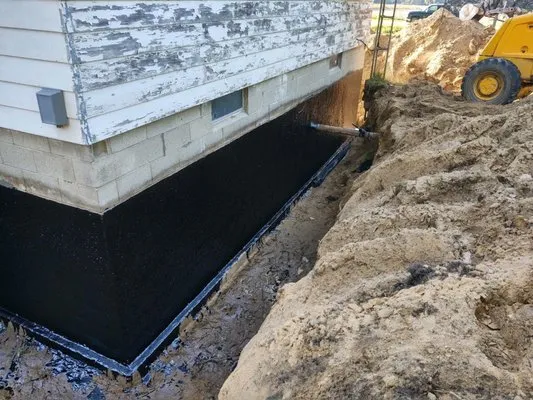
Masters Excavating & Septic is a family-owned business proudly serving Clio, MI, and the surrounding region. With roots in the industry dating back to the early 1990s, we branched out independently in...

Bedford Plumbing and Heating
Bedford Plumbing and Heating is a licensed, full-service plumbing and heating company serving Freeland, MI, and the surrounding areas. We provide reliable solutions for residential plumbing needs, inc...
A & B Plumbing, Heating & A/C
A & B Plumbing, Heating & A/C has been serving Bay City, MI since 1985, providing reliable plumbing, heating, and air conditioning services. Under new ownership since 2019, the business continues its ...
Billings Maintenance & Remodeling
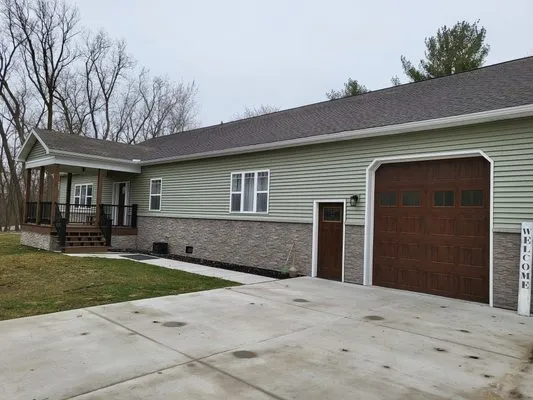
Billings Maintenance & Remodeling is a trusted, full-service contractor serving St. Louis, MI, and surrounding areas. We specialize in comprehensive home solutions, from appliance installation and rep...
MBS Plumbing Solutions is a licensed plumbing service based in Birch Run, MI, serving residential and commercial clients throughout the Tri-City area, including Midland and Saginaw. With a Master Plum...
Midtown Sewer Solutions is your trusted local plumbing and sewer expert serving Midland, MI. We specialize in solving the common plumbing issues Midland homeowners face, from persistent toilet seal le...
Estimated Plumbing Costs in Kawkawlin, MI
Frequently Asked Questions
Why does my basement near Kawkawlin River flood during heavy rains?
Low-lying terrain along the Kawkawlin River watershed creates drainage challenges. When the water table rises during wet periods, hydrostatic pressure increases against foundation walls and underground plumbing. Main lines running through saturated soil can shift or develop cracks at joints. Proper grading away from your foundation and functional sump pumps are essential in these conditions.
Who handles permits for plumbing work in Kawkawlin Township?
The Kawkawlin Township Building Department oversees local permits for plumbing installations and repairs. As a Michigan Department of Licensing and Regulatory Affairs licensed master plumber, I manage all required paperwork and inspections. This includes pulling permits, scheduling inspections, and ensuring work meets current Michigan plumbing code. Homeowners don't need to navigate this bureaucracy themselves.
My Kawkawlin Village home was built in the late 1970s. Should I be worried about my plumbing?
Copper pipes installed around 1977 are now 49 years old. At this age, homeowners in Kawkawlin Village often notice pinhole leaks developing in straight pipe runs, especially near joints where water velocity changes. The copper has experienced decades of hard water mineral contact and thermal expansion cycles. These small leaks typically start as damp spots on drywall or ceilings before progressing to visible drips.
Are there special considerations for rural plumbing around Kawkawlin?
Rural properties typically combine well water systems with septic disposal. Well pumps and pressure tanks require regular maintenance to handle hard water conditions. Septic systems need proper venting and drainage field maintenance to prevent backups into home plumbing. Unlike municipal systems, private wells mean water quality and pressure management fall entirely to the homeowner.
What should I do before spring thaw to prevent plumbing problems?
Before temperatures rise above freezing consistently, disconnect garden hoses and drain outdoor faucets. Check crawl spaces and basements for any pipes that might have developed minor leaks during winter. Monitor your water pressure during the thaw period—sudden drops can indicate a breach in your main line. This temperate climate means freeze-thaw cycles put particular stress on older pipe connections.
What causes those tiny leaks in older copper pipes?
Pinhole leaks in 49-year-old copper systems often result from a combination of factors. Hard water minerals create scale buildup that traps moisture against the pipe interior, leading to localized corrosion. Joint calcification from decades of mineral deposits can stress solder connections. The copper itself becomes thinner in high-flow areas, eventually developing microscopic perforations that expand over time.
Does Lake Huron water affect my home's plumbing fixtures?
Water drawn from Lake Huron contains high mineral content that accelerates scale formation. In water heaters, this mineral buildup reduces efficiency by insulating heating elements and tanks, forcing them to work harder. Fixtures like showerheads and faucet aerators accumulate deposits that restrict flow. Over years, this scaling can reduce pipe diameter by up to 25% in severe cases.
How quickly can a plumber reach my home near the Kawkawlin River?
Heading past Kawkawlin River on I-75 provides direct access to most neighborhoods in the area. From our shop location, that route typically puts us at your door within 20-30 minutes during normal traffic conditions. We monitor local road conditions and can adjust our approach based on seasonal factors affecting travel along the river corridor.
