Top Emergency Plumbers in Juniata Township, MI, 48723 | Compare & Call

There are 38 plumbing companies server in Juniata Township MI
Main Drain Service is a family-owned plumbing company serving Columbiaville, MI, with over a decade of experience in drain maintenance across metro Detroit. Founded by a lifelong handyman and former p...
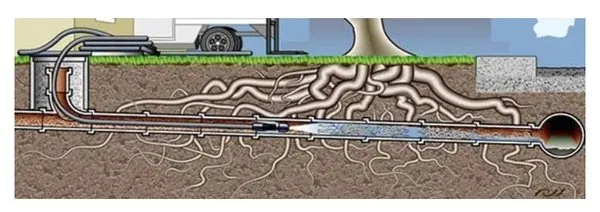
Jett It Sewer and Drain Cleaning is your local Lexington, MI, specialist for clearing stubborn blockages and maintaining your home's essential plumbing systems. We specialize in hydro-jetting, a power...
Mr. Rooter Plumbing of Detroit
Mr. Rooter Plumbing of Detroit is a locally owned and operated plumbing service proudly serving Macomb, MI, and the surrounding Detroit area. Owner Mike, a dedicated service business enthusiast with m...
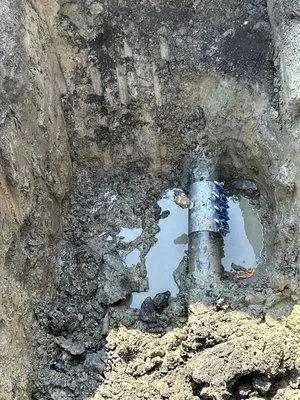
Advantage Plumbing & Heating is a trusted local plumbing service in Mount Morris, MI, dedicated to helping homeowners resolve common plumbing emergencies like laundry hose bursts and pipe corrosion. W...

Majestic Plumbing & Heating, LLC
Majestic Plumbing & Heating, LLC is a family-owned and operated business serving Caro and southeastern Michigan since 1985. Founded by husband-and-wife team Rick and Debra Lipan, the company brings a ...
Home Service Center
Since opening its doors in 2005, HSC Home Service Center has been the trusted local provider of heating, cooling, plumbing, and refrigeration services for homeowners and businesses in Burton, Michigan...
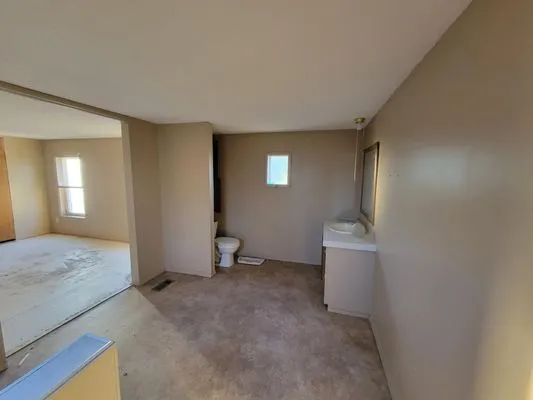
MS Renovations is a Grand Blanc-based home improvement company with four years of experience specializing in comprehensive mobile home renovations and general residential repairs. We handle everything...
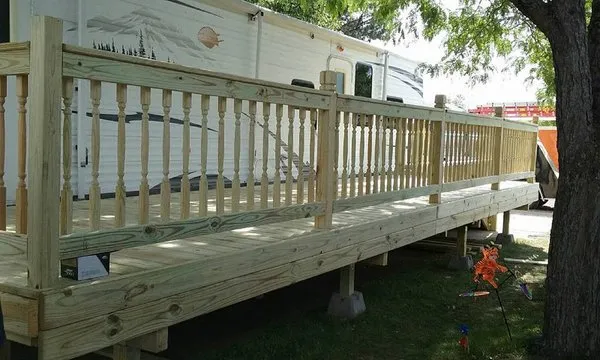
Founded by Mikel in December 2015, Above The Rest Construction brings a distinct approach to building in Burton. With over 18 years of hands-on industry experience, Mikel started the company to ensure...

Mid-State Sewer Service is a licensed and established plumbing resource for Freeland residents and businesses. Since 2019, we've provided reliable drain and sewer solutions, from routine maintenance t...
American Plumbing Heating & Cooling
American Plumbing Heating & Cooling is a trusted local provider serving Clinton Township residents for all their home comfort and plumbing needs. Our team of educated technicians is committed to provi...
Estimated Plumbing Costs in Juniata Township, MI
Question Answers
Do I need a permit to replace my water heater?
Yes, Tuscola County Building Department requires a permit for water heater replacement to ensure proper venting and pressure relief. As a licensed Master Plumber through the Michigan Department of Licensing and Regulatory Affairs, I pull all necessary permits and schedule the inspections. I handle that red tape so you don't have to, ensuring the work is documented and compliant.
As a rural homeowner, what plumbing system should I prioritize for maintenance?
Your septic system and well pump require scheduled attention. A failing septic drain field or a well pump with a stuck pressure switch are major disruptions. Unlike a city connection, you're responsible for the entire system from the aquifer to the drain field. Regular septic pumping and well equipment checks are non-negotiable for avoiding emergencies.
How long does it take for a plumber to get to my house from town?
From the Tuscola County Fairgrounds, I head out on M-24. For most calls in the township, you can expect a 45 to 60 minute dispatch window. That accounts for the rural roads and distance, ensuring I arrive with the right parts and equipment to handle the job from the start.
What's the most important thing to do with my plumbing before spring?
Before the spring thaw hits its peak, disconnect any garden hoses from your exterior faucets. A hose left connected traps water in the faucet, which can freeze and burst the pipe inside your wall. This is a critical pro-tip for our Snow Belt climate, where nighttime lows can still hit 14°F well into March, preventing a costly emergency.
Could the flat land here be causing my slow drains?
The plain terrain around the Tuscola County Fairgrounds offers very little natural slope for drainage. If your home's main sewer line was installed with minimal grade, it can lead to chronic slow drains and backups because waste water lacks the velocity to carry solids all the way to the septic tank. This puts consistent, low-grade stress on the entire line.
Why am I suddenly seeing blue-green stains in my sink or having small leaks?
The copper plumbing installed around 1981 is now 45 years old. That lifespan is typical for copper in our area. Homeowners in Juniata Center are now seeing the cumulative effects of decades of hard water, where the inside of pipes has thinned from scaling and erosion. This leads to pinhole leaks, often first visible as those stains or as a persistent drip under a sink.
Does having a private well mean my water heater will fail sooner?
Yes, it often does. Private wells in Juniata Township typically pull hard water, which is high in dissolved minerals like calcium. Those minerals solidify as scale inside the water heater tank and on its heating elements. This buildup forces the unit to work harder, reducing efficiency and cutting its service life by several years compared to treated municipal water.
What causes a pinhole leak in copper pipe?
In a system from 1981, pinhole leaks are a classic failure point. They're caused by a combination of age and our local water chemistry. Over 45 years, hard water minerals create scale that traps water against the pipe wall. This localized corrosion, accelerated by the water's pH and flow, eventually eats a microscopic hole through the copper.
