Top Emergency Plumbers in Jonesfield, MI, 48637 | Compare & Call

There are 140 plumbing companies server in Jonesfield MI
Main Drain Service is a family-owned plumbing company serving Columbiaville, MI, with over a decade of experience in drain maintenance across metro Detroit. Founded by a lifelong handyman and former p...
Mr. Rooter Plumbing of Detroit
Mr. Rooter Plumbing of Detroit is a locally owned and operated plumbing service proudly serving Macomb, MI, and the surrounding Detroit area. Owner Mike, a dedicated service business enthusiast with m...
Sump Pump Pros is your trusted, local plumbing expert serving Lowell, MI. We specialize in a full range of residential plumbing services, from routine faucet repairs and garbage disposal installations...
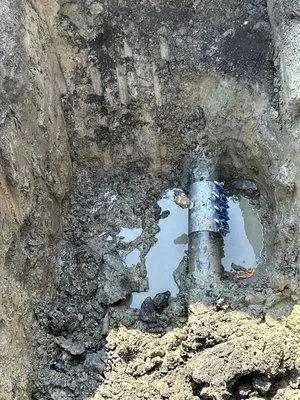
Advantage Plumbing & Heating is a trusted local plumbing service in Mount Morris, MI, dedicated to helping homeowners resolve common plumbing emergencies like laundry hose bursts and pipe corrosion. W...

Majestic Plumbing & Heating, LLC
Majestic Plumbing & Heating, LLC is a family-owned and operated business serving Caro and southeastern Michigan since 1985. Founded by husband-and-wife team Rick and Debra Lipan, the company brings a ...
Home Service Center
Since opening its doors in 2005, HSC Home Service Center has been the trusted local provider of heating, cooling, plumbing, and refrigeration services for homeowners and businesses in Burton, Michigan...

Fenton Mechanical is your trusted local expert for home maintenance and plumbing solutions in Fenton, MI. We specialize in a wide range of services including appliance installation, handyman assembly,...
Actons Mechanical is a trusted, full-service home maintenance and repair company serving Flint, MI, and the surrounding areas. We specialize in plumbing, HVAC, painting, and general home repairs to ke...
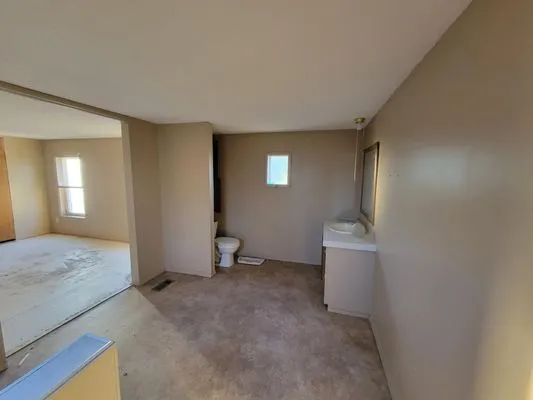
MS Renovations is a Grand Blanc-based home improvement company with four years of experience specializing in comprehensive mobile home renovations and general residential repairs. We handle everything...
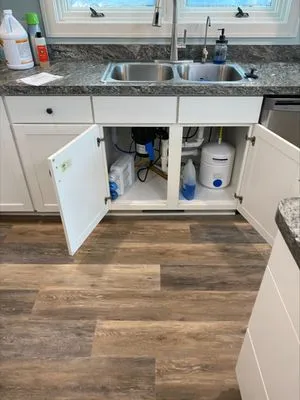
Bursley Plumbing is a family-owned and operated plumbing service based in Ovid, MI, proudly serving the greater Mid-Michigan area. Founded by husband-and-wife team Josh and his spouse, the business br...
Estimated Plumbing Costs in Jonesfield, MI
Frequently Asked Questions
Does hard water from my private well damage my plumbing fixtures?
Hard water minerals from private wells in Jonesfield create scale buildup that reduces water heater efficiency by up to 30 percent over time. This scaling also restricts flow in faucet aerators and showerheads, requiring more frequent cleaning. Water heaters with scale accumulation work harder, shortening their lifespan. Installing a whole-house water softener protects both your fixtures and appliances from this gradual damage.
Could the flat land around here be causing my drainage problems?
The plain terrain near Saginaw River Headwaters provides minimal natural slope for drainage, which can lead to water pooling around foundation drains. This constant moisture puts lateral stress on your main sewer line over time. Proper grading away from your home's foundation is essential. Installing French drains or sump pumps helps manage the groundwater that accumulates in this flat landscape.
What permits do I need for plumbing work in Saginaw County?
The Saginaw County Building Department requires permits for most plumbing modifications, including water heater replacements and sewer line repairs. As a Michigan Department of Licensing and Regulatory Affairs licensed master plumber, I handle all permit applications and inspections. This ensures your project meets current codes without you navigating bureaucratic paperwork. Proper permitting protects your home's value and ensures work meets safety standards.
How quickly can a plumber reach my home in Jonesfield?
Heading past Saginaw River Headwaters on M-46, our dispatch route covers most of Jonesfield Township within 45-60 minutes. We maintain multiple service vehicles positioned strategically along this corridor. This routing allows us to respond efficiently whether you're near the river or further out in the township. We prioritize emergency calls with this established response pattern.
My Jonesfield home was built in the 1970s - should I be worried about my plumbing?
Copper pipes installed around 1974 are now about 52 years old. Homeowners in Jonesfield Township Central often notice pinhole leaks developing at solder joints or where pipes contact dissimilar metals. This aging copper becomes thinner from decades of water flow and mineral interaction. Regular inspections of exposed pipes in basements or crawl spaces can catch these issues before they become major problems.
What should I do to prepare my plumbing for Jonesfield winters?
With temperatures dropping to 15°F and spring thaw creating pressure surges, insulate pipes in unheated spaces before the first freeze. Keep cabinet doors open during cold snaps to allow warm air to circulate around pipes. Drain outdoor spigots completely and shut off their supply valves. These simple steps prevent the freeze-thaw cycles common in our Snow Belt climate from causing pipe bursts.
Are there special plumbing considerations for rural Jonesfield homes?
Rural properties with private wells and septic systems require different maintenance than municipal-connected homes. Well pumps need regular pressure tank checks, while septic systems require professional pumping every 3-5 years depending on household size. Water quality testing should happen annually for private wells. These systems operate independently, so proactive maintenance prevents costly emergencies when you're farther from service centers.
Why do my copper pipes keep springing small leaks?
Copper pipes from 1974 often develop pinhole leaks due to electrolytic corrosion between the copper and any steel fittings. The solder joints from that era can also fail as flux residues break down over five decades. These failures typically occur first at elbows and tees where water turbulence accelerates wear. Installing dielectric unions at connection points can extend the remaining pipe life.
