Top Emergency Plumbers in Jerome, MI, 48618 | Compare & Call

There are 15 plumbing companies server in Jerome MI
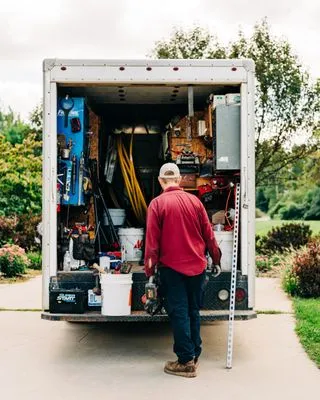
Haley Mechanical
Haley Mechanical has been a trusted name in Dexter and Southeast Michigan since 1998, providing dependable heating, cooling, plumbing, electrical, and geothermal services. As a locally owned and opera...
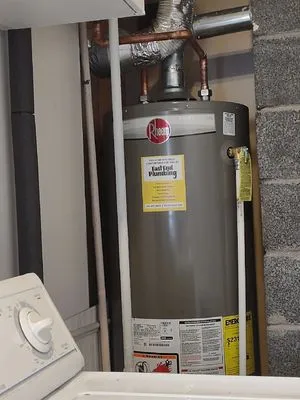
East End Plumbing is a trusted local plumbing company serving Kentwood and the surrounding communities. We specialize in a wide range of residential plumbing services, from emergency repairs to full i...

For five years, JL Services has been a trusted home services provider in Battle Creek, MI, dedicated to helping local residents maintain and repair their homes. We take pride in every job, from applia...

Arrow Plumbing
Arrow Plumbing is your trusted local plumbing expert serving Brooklyn, MI homeowners and businesses. We specialize in comprehensive plumbing solutions including bathtub, shower, sink, toilet, and drai...
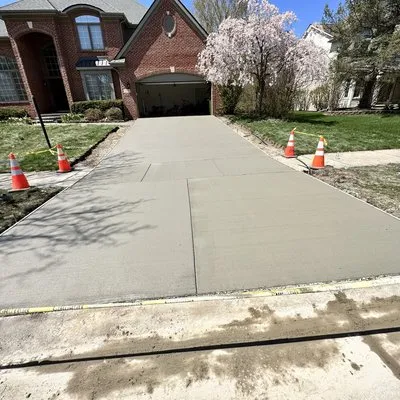
SEW Enterprises is a trusted general contracting company serving Ann Arbor, MI, and the surrounding areas. With a deep commitment to building with vision, quality, and pride, we bring over 30 years of...

Hagen Plumbing & Heating
Hagen Plumbing & Heating is a trusted local plumbing service in Ann Arbor, MI, offering a comprehensive range of solutions for residential and commercial needs. From routine faucet repairs and toilet ...

Rooney's Sewer Service is a locally owned and operated plumbing and sewer specialist serving Jackson, MI since 1993. Founded by Mike Rooney, the business has been a trusted name in the community for d...

We provide start-to-finish renovation services for homeowners in Jackson, MI, handling every phase of your project from the initial concept to the final walkthrough. Our comprehensive approach ensures...
Perma Dry Michigan
Perma Dry Michigan in Plymouth is a family-owned foundation repair and waterproofing company dedicated to protecting homes across Southeastern Michigan. With full licensing and insurance, our team bri...

Minuteman Sewer And Drain is a trusted, locally-owned plumbing service in Jackson, MI, founded in 1999. With over 30 years of industry experience, owner Mark started as a service technician and now le...
Estimated Plumbing Costs in Jerome, MI
Common Questions
Do I need a permit from Hillsdale County to replace my water heater?
Yes, most water heater replacements require a permit from the Hillsdale County Building Department. As a Master Plumber licensed by the Michigan Department of Licensing and Regulatory Affairs, I pull those permits and schedule the required inspections as part of the job. Handling this red tape is a standard part of my service, ensuring the work is documented and meets all current code for your safety and home value.
What's the most important spring plumbing task for a home in Jerome, MI?
Before the spring thaw hits its peak, disconnect any garden hoses and shut off the interior water supply to your outdoor faucets. A forgotten hose traps water in the bib; when overnight temps still dip toward 15°F, that water freezes, splits the pipe inside your wall, and leads to a major leak. This simple five-minute task prevents the most common freeze-related call we get in early spring.
Why do my copper pipes from the 1970s keep springing pinhole leaks?
Copper piping installed around 1978 is susceptible to a process called Type I pitting. Local water chemistry, combined with decades of mineral scale buildup from hard water, creates a corrosive environment inside the pipe. This leads to isolated, deep pits that eventually perforate, causing those frustrating pinhole leaks. It often starts in horizontal runs or near dielectric unions where dissimilar metals meet.
Does having a private well in Jerome mean I'll have more plumbing problems?
Private wells mean your water quality is unique to your property. The prevalent hard water around Jerome causes heavy limescale buildup. This scale drastically reduces the efficiency and lifespan of water heaters by insulating the heating elements and clogging fixture cartridges. Installing and maintaining a whole-house water softener is not a luxury here; it's essential protection for your appliances and pipes.
My copper pipes in Jerome are from the 70s. What problems should I expect now?
Your copper plumbing is now 48 years old. In Jerome Village, that's the age where we commonly see the original solder joints and fittings begin to fail. Homeowners are reporting small, persistent leaks at pipe elbows and behind walls. The copper itself can thin in spots, leading to pinhole leaks, especially in areas with aggressive local water. This isn't a sudden failure, but a predictable phase of maintenance for homes built around 1978.
How quickly can a plumber get to my home in Jerome from the surrounding area?
Our typical dispatch route heads past the Lost Nations State Game Area on US-12 into the village. From our shop, that's a reliable 45 to 60-minute drive, depending on traffic and weather on the two-lane sections of US-12. We plan for that transit time so you get an accurate arrival window, not a rushed estimate that leads to waiting.
Are there special plumbing considerations for a rural home in Jerome compared to a city?
Absolutely. Your system is self-contained. A failing pressure tank or well pump means no water at all, and a septic system backup is a homeowner's responsibility, not the municipality's. We always assess the well equipment and septic tank location during any major service to give you a complete picture of your rural water and waste systems, as they work as a single unit.
Could the flat land around Jerome cause drainage issues for my home's plumbing?
The generally plain terrain means water doesn't always drain away from your foundation as effectively. Over decades, this can lead to soil saturation around your main sewer line, putting constant, uneven pressure on the pipe. We often find that the main line from homes near the Lost Nations area has settled or developed a belly, which collects debris and causes recurring slow drains or backups.
