Top Emergency Plumbers in Hill Township, MI, 48331 | Compare & Call

There are 11 plumbing companies server in Hill Township MI
Stanley Home Maintenance is a family-owned and operated small business serving Au Gres and lower northeastern Michigan. We provide reliable home maintenance and repair services, focusing on quality wo...

Ulman Gary Plumbing Heating & Air Conditioning
Ulman Gary Plumbing Heating & Air Conditioning has been serving Tawas City homes and businesses for years, providing reliable solutions for common local plumbing and HVAC challenges. Many area residen...
Meihls Mechanical
Meihls Mechanical is Omer, Michigan's trusted local plumbing expert, specializing in the installation, repair, and maintenance of residential plumbing systems. We understand the common challenges Omer...
Colvins Heating & Cooling
Colvin's Heating & Cooling is a locally owned and operated company dedicated to keeping Hale homes comfortable year-round. Their team of well-educated technicians provides a full suite of reliable ser...
Chad Herrick Plumbing & Heating has been serving East Tawas and the surrounding communities for years, providing reliable plumbing and heating solutions for local homes and businesses. We are a full-s...
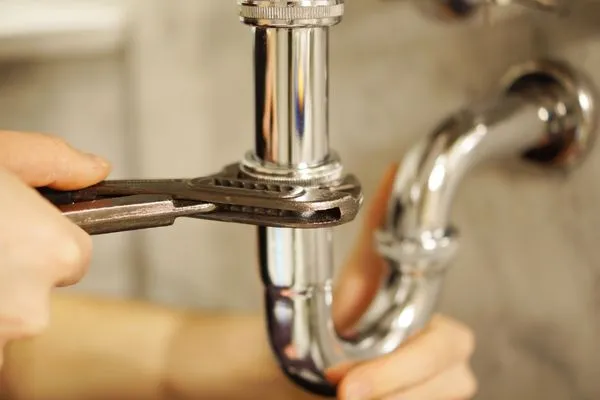
Bailey's Plumbing Services has been a trusted name in East Tawas for over 30 years, with 19 years of Master Plumber licensure. We're built on dedication, reliability, and providing real value for ever...
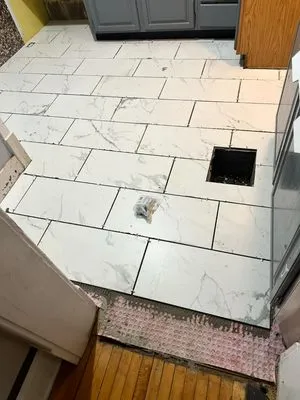
Zack's Home Maintenance is your trusted, full-service handyman company serving Lupton and the surrounding areas. We specialize in a wide range of home repair and improvement services, from expert plum...

Brian's Plumbing And Heating
At Brian's Plumbing And Heating in Hale, MI, we're your local experts for reliable plumbing and heating solutions. Our team takes pride in combining technical skill with a genuine commitment to custom...
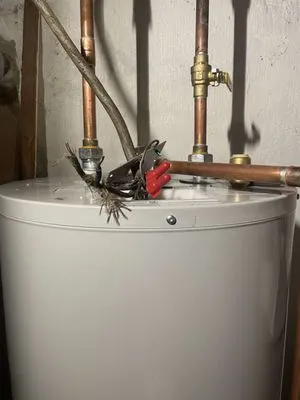
Michigan Made Plumbing and Handyman is your trusted, locally-owned service provider in Hale, MI, specializing in both plumbing and general home repairs. We understand the common challenges Hale homeow...
Tester Plumbing Service is Hale's trusted local plumbing expert, dedicated to keeping homes safe and functional. We understand the common issues homeowners in our community face, such as broken shutof...
Estimated Plumbing Costs in Hill Township, MI
Questions and Answers
Who handles permits for plumbing work in Ogemaw County?
The Ogemaw County Building Department issues permits for most plumbing projects, and I maintain current licensing through Michigan Department of Licensing and Regulatory Affairs. This means I handle the red tape so you don't have to—from submitting paperwork to scheduling required inspections. Proper permitting ensures work meets current codes, which is especially important for well and septic system modifications.
How quickly can a plumber reach my home in Hill Township?
Heading past Ogemaw County Fairgrounds on M-33, most service calls take 45-60 minutes from dispatch. That route covers the main access through the township, though hilly back roads can add time during wet conditions. We factor in local traffic patterns and weather when estimating arrival, aiming for the lower end of that window when possible.
How does hilly terrain affect my home's drainage system?
The slope around Ogemaw County Fairgrounds and throughout Hill Township creates drainage challenges where water follows gravity toward lower elevations. This puts constant stress on main sewer lines as they navigate elevation changes, potentially causing joint separation over time. Downspouts should direct water away from foundations, and septic drain fields need proper grading to function effectively on inclines.
Why do my 1980s copper pipes keep springing leaks?
Copper pipes from that era often develop pinhole leaks due to corrosion from hard water minerals interacting with the metal over decades. The joints are particularly vulnerable where solder has weakened from thermal expansion and contraction cycles. In Hill Township's water conditions, scale buildup inside the pipes accelerates this deterioration, creating thin spots that eventually fail.
Are there special considerations for plumbing in rural Hill Township?
Private wells and septic systems require different maintenance than municipal services. Well pumps need periodic checks for pressure consistency, while septic tanks require regular pumping every 3-5 years depending on household size. Water quality testing becomes the homeowner's responsibility, and drainage fields must accommodate the property's specific soil composition and slope.
My Hill Township home was built around 1982 - what should I expect from my plumbing now?
Copper pipes installed in 1982 are now 44 years old. Homeowners in Hill Township Center are seeing pinhole leaks develop where the pipe walls have thinned from decades of water flow. At this age, the solder joints connecting sections can also begin to fail, especially where hard water has caused mineral buildup. These issues typically start as small drips behind walls or under sinks before becoming more noticeable.
What should I do before spring thaw to prevent plumbing problems?
Insulate exposed pipes in crawl spaces and basements before temperatures drop to 12°F. Disconnect and drain outdoor hoses to prevent backflow freezing. Check that your main water shutoff valve operates smoothly—spring thaw brings ground shifts that can stress connections. A pro-tip: keep cabinet doors open under sinks during cold snaps to allow warm air circulation around pipes.
Does hard water from my private well damage plumbing fixtures?
Hard water causes scale buildup that reduces water heater efficiency by insulating heating elements, forcing them to work harder and shortening their lifespan. Fixtures like showerheads and faucet aerators clog with mineral deposits, reducing water pressure over time. Without municipal water treatment, well water's mineral content directly impacts your home's plumbing hardware through gradual accumulation.
