Top Emergency Plumbers in Hayes, MI, 48625 | Compare & Call

There are 13 plumbing companies server in Hayes MI
Bentley Plumbing is a family-owned plumbing service in Reed City, MI, with over 20 years of combined experience. Founded by a Master Plumber who now works alongside his two sons as apprentices, we bri...
Klenow & Sons Plumbing has been serving the plumbing, cleaning, and waterproofing needs of Saginaw, Bay, and Midland County residents since 2008. As a family-owned local business, we understand the un...
Custom Heating & Plumbing
Custom Heating & Plumbing has been a trusted local provider in Mount Pleasant and across Michigan since 1992. Our team of highly trained technicians delivers reliable installations and repairs for you...
Mr. Rooter Plumbing of Mid-Michigan
Mr. Rooter Plumbing of Mid-Michigan is a locally owned and operated plumbing service in Mount Pleasant, MI, founded by Brad and Amanda. With over 20 years of experience in the service industry, they'v...
J&J Drain Cleaning is a trusted, locally-owned plumbing service serving homeowners and businesses in Clare, MI, and the surrounding areas. We understand that local households frequently face plumbing ...

Owens Plumbing
Owens Plumbing is a family-owned plumbing service based in Rosebush, MI, with over 23 years of experience serving Central Michigan. Specializing in water heaters, water softeners, drain and sewer clea...
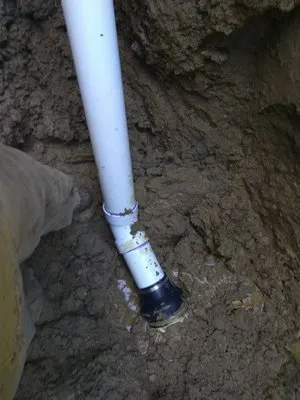
Williams Plumbing Services has been the trusted local plumbing expert in Harrison, MI, for over 35 years. Licensed and insured, we provide reliable, professional-quality plumbing solutions for both re...
Hilts Plumbing & Heating is your trusted, local Harrison plumbing expert, ready to tackle the common water issues homeowners face. We understand that pipe corrosion from our region's water conditions ...

Dun rite Maintenance and Repair is Harrison's trusted plumbing expert, providing reliable solutions for both urgent repairs and planned installations. As a local, family-owned business, we understand ...
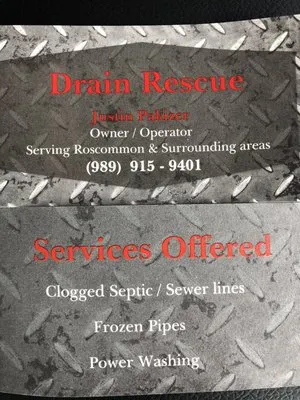
Drain Rescue in Roscommon, MI, is a locally owned and operated plumbing service dedicated to solving your toughest drain and pipe problems. Since our establishment in 2017, our core mission has been t...
Estimated Plumbing Costs in Hayes, MI
Q&A
How long does it take for a plumber to get to a house out here for an emergency call?
From our dispatch, heading past Hayes Township Hall on M-18 is the main route. Most calls in the Hayes area run 45 to 60 minutes door-to-door, accounting for the rural roads. We factor in weather on M-18, which can slow travel during heavy snow or the spring thaw when the shoulders get soft.
Why are my 1980s copper pipes suddenly springing pinhole leaks?
Copper installed in 1984 is susceptible to pinhole leaks from a process called Type 1 pitting. Aggressive local water, often from private wells, can create microscopic corrosion sites that penetrate the pipe wall over four decades. The leaks often manifest at horizontal runs or just downstream of fittings where water turbulence is highest. It is a material-age issue, not a defect in the original installation.
My house was built around 1984, same as many in Hayes Center. What kind of plumbing issues should I expect now?
Those copper lines are hitting 42 years old in 2026. You are likely seeing the first generation of pinhole leaks, especially at the solder joints. It is a predictable lifespan; the thin-wall copper common then begins to fail from decades of internal water chemistry and thermal cycling. Replacing short sections is common, but whole-house repiping becomes a conversation once multiple leaks appear in a short timeframe.
As a rural homeowner with a well and septic, what plumbing issues are unique to my setup?
Your system is self-contained. A failing pressure tank or well pump means no water at all, not just low pressure. On the septic side, any drain clog or backup is your responsibility to address before it reaches the tank and causes a more serious failure. We always check both sides of the system—the supply from the well and the waste to the septic—when diagnosing chronic flow or drainage problems in rural Hayes.
We have a private well and hard water. What does that do to my water heater and fixtures?
Hard water carries dissolved minerals that precipitate as scale. In a water heater, this scale blankets the heating elements or gas burner, forcing it to work harder and fail sooner. For fixtures, scale builds up in aerators and cartridge valves, reducing flow and causing premature wear. Installing a whole-house water softener is the standard defense to protect this hardware and maintain efficiency.
Does the flat land around Hayes affect my home's drainage or sewer line?
The plain terrain offers little natural slope for drainage. This can lead to water pooling near the foundation during heavy rain or rapid snowmelt, which increases hydrostatic pressure on basement walls and floor drains. For sewer lines, the lack of grade means a proper pitch is absolutely critical during installation; even a slight settling of the main line over years can cause slow drains and recurring blockages.
What's the most important thing to do with my plumbing before the deep cold hits in this snow belt?
Before temperatures drop to the 12-degree lows common here, disconnect and drain all garden hoses. An overlooked hose left connected is the single most common cause of frozen faucets and split bibs. For homes with vulnerable crawl spaces, insulating exposed pipes, especially on the north side, is a critical second step to prevent a midnight emergency during a cold snap.
If I need a major plumbing repair or addition, what permits are required in Clare County?
The Clare County Building Department handles permits for any new plumbing or substantial alteration. As a Michigan licensed master plumber, I pull those permits on your behalf and schedule the required inspections. This handles the red tape for you; the paperwork ensures the work meets current code, which is crucial for your safety and protects your home's value during any future sale.
