Top Emergency Plumbers in Hartford, MI, 49057 | Compare & Call

There are 29 plumbing companies server in Hartford MI
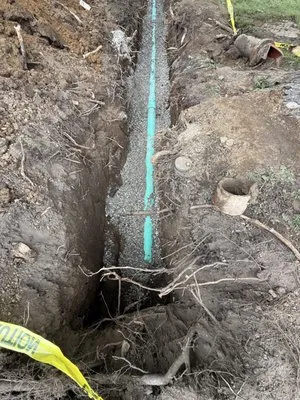
Meerkat Plumbing and Drain
Meerkat Plumbing and Drain is a trusted, licensed plumbing service proudly serving La Porte and the surrounding region. We specialize in a comprehensive range of residential and commercial plumbing so...
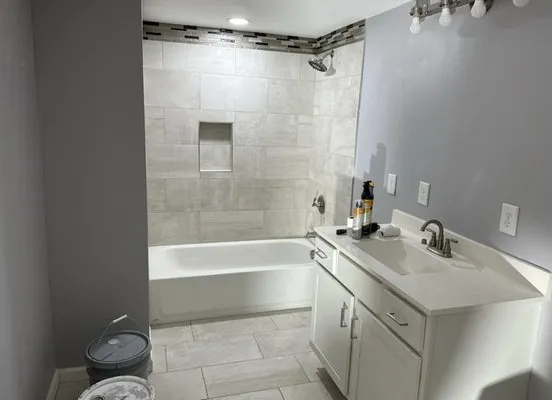
Visionary Home Improvements
Visionary Home Improvements is a trusted South Bend plumbing and home repair company founded by Tarrin, Jason, and Cal. With nearly four decades of combined experience in home repairs, property manage...
Wassink Plumbing
Founded in 2018 by licensed Plumbing Contractor Chad Wassink, Wassink Plumbing brings over 14 years of professional experience to every job in Holland and West Michigan. Chad began his career in 2005,...
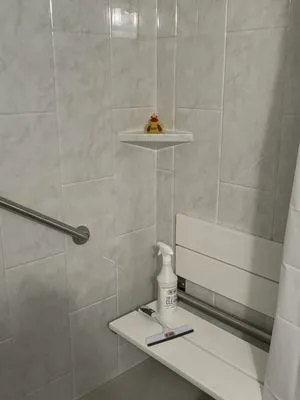
Re-Bath in Grand Rapids, MI specializes in bathroom remodeling services for local homeowners. Founded in 1979, we introduced "The Refreshing Remodel" approach, handling every aspect of bathroom update...
Whitney Services, led by master electrician Tim, has been a trusted name in Kalamazoo for plumbing, electrical, and HVAC needs. Founded on integrity and professionalism, Tim’s positive approach ensure...
Wilcox Plumbing and Piping
Wilcox Plumbing and Piping is a locally-owned plumbing service in Scotts, MI, with nearly four decades of combined experience. Founded by two skilled plumbers who previously served top contractors acr...
BrucePros is a family and veteran-owned plumbing business serving Kalamazoo and southwest Michigan since 1980. We specialize in comprehensive plumbing services including bathtub, faucet, sink, toilet,...
D. Wood Plumbing was founded in Kalamazoo in 2009 by Dan and Leandra Wood, continuing a family tradition that began in 1908. Dan Wood grew up in the Kalamazoo/Portage area, learning the trade from his...

R & D Etc.
R & D Etc., L.L.C. has been a trusted plumbing service in Dowagiac, MI, since 2016. Licensed, bonded, and insured, we handle everything from simple faucet repairs and drain cleaning to complete bathro...
Clarks Property ManageMint is a trusted handyman and property maintenance service based in Stevensville, MI, offering comprehensive solutions for homeowners and property managers. We specialize in app...
Estimated Plumbing Costs in Hartford, MI
Question Answers
How fast can a plumber get to my house in Hartford?
My dispatch route from the shop typically heads past Hartford Township Park to catch I-94. That main artery gets me across the township in minutes. For most calls in the village or the surrounding farms, you can expect a truck on-site within that 45 to 60 minute window, barring major weather on the interstate.
Why are my copper pipes starting to leak now in my Hartford home?
Homes built around 1968 in Downtown Hartford are hitting the 58-year mark in 2026. At this age, the copper's internal structure is worn thin by decades of water flow and local mineral content. You're likely seeing pinhole leaks first, often in the hot water lines or where pipes rub against joists. This isn't a coincidence; it's the predictable lifespan of original plumbing from that era.
Does having a private well make my plumbing problems worse?
Private wells mean you're responsible for the water's condition before it even enters your home. The hard water common in our area deposits scale inside pipes and appliances rapidly. This scaling drastically shortens the life of water heater elements and can completely clog faucet aerators and showerheads. Installing and maintaining a proper whole-house water softener is not a luxury here; it's essential hardware to protect your investment.
Could the flat land around Hartford Township Park cause drainage issues for my plumbing?
The relatively plain terrain means water has less natural slope to drain away from your foundation. Over time, this saturated soil puts constant, uneven pressure on your main sewer line exiting the house. That stress can cause the pipe to settle or develop a low spot, leading to recurring drain clogs and backups, especially during periods of heavy rain or snowmelt.
What is a pinhole leak and why is it so common here?
Pinhole leaks are tiny failures in copper pipe walls, often caused by a combination of age and our local water chemistry. Pipes installed in 1968 have endured nearly six decades of water movement, which can create microscopic erosion points. Once the copper wall is breached, the pressurized water forces its way out, creating a small, persistent leak that can cause significant damage before it's even noticed.
Do I need a permit to replace my water heater in Van Buren County?
Yes, water heater replacements typically require a permit from the Van Buren County Building Department. As a licensed master plumber through the Michigan Department of Licensing and Regulatory Affairs, I pull those permits and schedule the required inspections as part of the job. Handling that red tape is my responsibility, ensuring the work is documented and up to current code for your safety and home value.
What's the most important thing to do before spring thaw in Hartford?
Before the spring thaw hits its peak, disconnect any garden hoses and ensure your exterior hose bibs are fully drained. A hose left connected traps water in the bib; when that water freezes at 17 degrees, it expands and can crack the pipe inside your wall. That crack won't reveal itself until the thaw, when you'll have water running inside your basement or crawlspace.
As a rural homeowner, are my septic and well systems connected to my plumbing issues?
Absolutely. Your well pump pressure directly affects water flow to every fixture, and a failing pressure tank can cause hammering or low flow. On the septic side, a full or failing drain field will cause the first place you notice a problem: slow drains and backups in the house. A plumbing issue here is rarely just a pipe; it's often a symptom of the entire onsite water system's health.
