Top Emergency Plumbers in Hart, MI, 49420 | Compare & Call

There are 14 plumbing companies server in Hart MI
Fix It All Plumbing is your trusted local plumbing expert serving Reed City, MI and surrounding areas. We provide comprehensive plumbing services including bathtub, drain, faucet, garbage disposal, ga...
Scheid Plumbing Heating & Cooling
For over four decades, Scheid Plumbing Heating & Cooling has been a trusted family-owned name serving Whitehall, MI, and the surrounding communities of Muskegon, Oceana, Newaygo, Kent, and Ottawa coun...
Wassink Plumbing
Founded in 2018 by licensed Plumbing Contractor Chad Wassink, Wassink Plumbing brings over 14 years of professional experience to every job in Holland and West Michigan. Chad began his career in 2005,...
Multi Serve Restoration & Repair
Multi Serve Restoration & Repair is a Grand Rapids-based contractor with deep roots in Michigan, having served the community since 1997. We started by providing essential residential and commercial co...

Lascko Services
Since 1999, Lascko Services has been the trusted, family-owned plumbing and HVAC company for Muskegon residents and businesses. Our journey began over two decades ago with a commitment to reliable ser...
West Michigan Drain Solutions is your local, licensed sewer and drain service in Hart, MI, specializing in rehabilitation and maintenance. Founded on a legacy of reliable service—formerly operating as...

Diamond Plumbing and Drain Cleaning is your trusted, local plumbing expert serving Shelby, Michigan. We offer comprehensive solutions for your home, from routine faucet repairs to complete plumbing sy...
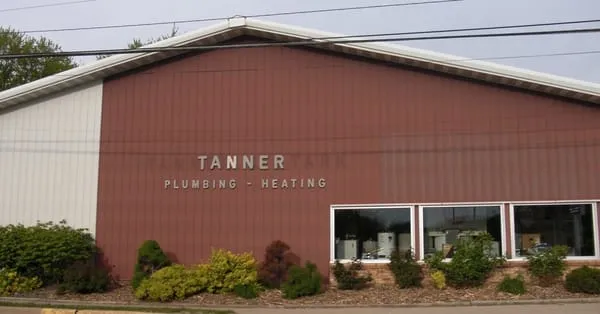
Tanner Plumbing & Heating
For over 70 years, Tanner Plumbing & Heating has been the trusted name for home comfort in Hart, MI. Co-owned by Steve, who brings over 30 years of HVAC experience since joining the team in 1990, the ...
Bentley Plumbing is a family-owned plumbing service in Reed City, MI, with over 20 years of combined experience. Founded by a Master Plumber who now works alongside his two sons as apprentices, we bri...

Standard Point Services in Norton Shores, MI, is a trusted local provider of comprehensive home and commercial solutions, serving the community for over 7 years. Starting with expert cleaning services...
Estimated Plumbing Costs in Hart, MI
Q&A
Does Hart's low-lying terrain affect my main sewer line?
Low-lying areas around Hart Historic District experience groundwater infiltration during wet seasons. This puts hydrostatic pressure on main sewer lines, potentially causing joint separation or pipe collapse. Proper grading away from your foundation and installing a backwater valve prevents sewage backup during heavy rains. I often find tree roots exploiting these stressed joints.
Why do my galvanized pipes keep springing pinhole leaks?
Galvanized steel pipes from 1947 develop pinhole leaks where internal corrosion eats through the thinnest sections of pipe wall. These typically appear along the bottom of horizontal runs where sediment collects. Joint calcification also stresses pipe sections, causing cracks at threaded connections. Once pinholes start appearing, the entire pipe system is nearing failure.
Who handles permits and inspections for plumbing work in Oceana County?
I file all required permits with the Oceana County Building Department and coordinate inspections. My Michigan Department of Licensing and Regulatory Affairs credentials cover the full scope of residential plumbing work. Homeowners don't need to navigate permit requirements—I handle the red tape so repairs meet current code without complicating your schedule.
How quickly can a plumber reach my home in Hart during an emergency?
Heading past Hart Historic District on US-31 gets me to most addresses within 45-60 minutes. That route connects directly to residential areas while avoiding seasonal traffic bottlenecks. I keep a truck stocked for common Hart plumbing emergencies, so I can start work immediately upon arrival without needing to return for parts.
As a rural Hart homeowner, what unique plumbing issues should I watch for?
Well systems here require regular maintenance—check pressure tanks annually and test water quality every two years. Septic systems need pumping every 3-5 years depending on household size. Unlike municipal systems, well pumps can fail without warning, so keep spare parts on hand. I recommend installing a sediment filter after the pressure tank to protect fixtures.
What should I do before spring thaw to prevent plumbing problems?
Before temperatures rise above freezing, disconnect garden hoses and shut off exterior faucets from inside. Insulate exposed pipes in crawl spaces and basements, as 15-degree lows followed by rapid warming stress pipe joints. Check your main water shutoff valve for smooth operation—spring thaw often reveals leaks that went unnoticed during frozen conditions.
Does Hart Lake water damage my plumbing fixtures and water heater?
Hart Lake's hard water deposits mineral scale inside pipes and appliances. Water heaters accumulate scale on heating elements, reducing efficiency by 30-40% over five years. Fixtures develop restricted flow from mineral buildup around aerators and valve seats. Installing a whole-house water softener protects against this scaling, extending appliance life significantly.
My house in Hart City Center has original plumbing from 1947 - what should I expect at this age?
Galvanized steel pipes installed around 1947 are now 79 years old. Homeowners in Hart City Center are seeing rust-colored water, reduced water pressure, and frequent leaks at threaded joints. The zinc coating that protects these pipes has completely corroded away, leaving bare steel exposed to water. Internal rust buildup can reduce pipe diameter by half, causing flow issues throughout the house.
