Top Emergency Plumbers in Gwinn, MI, 49841 | Compare & Call

There are 65 plumbing companies server in Gwinn MI

Robbie's Professional Services
Robbie's Professional Services in Marinette, WI, is a fully certified, bonded, and insured local contractor specializing in a wide range of home maintenance and repair needs. We are committed to the s...

Morin And Johnson Well Drilling & Pump
Morin And Johnson Well Drilling & Pump is a locally owned and operated company serving Niagara, Wisconsin, and the surrounding region. Founded in 1995 when the current owner purchased a long-establish...

Waugen Plumbing Heating & Air Conditioning is your trusted, local expert serving Niagara, WI, and the surrounding areas. We specialize in comprehensive plumbing inspections designed to proactively ide...
Gummins Plumbing & Heating We Service All Brands is your trusted local plumbing and heating expert serving Florence, WI. We specialize in comprehensive plumbing inspections to identify and resolve com...
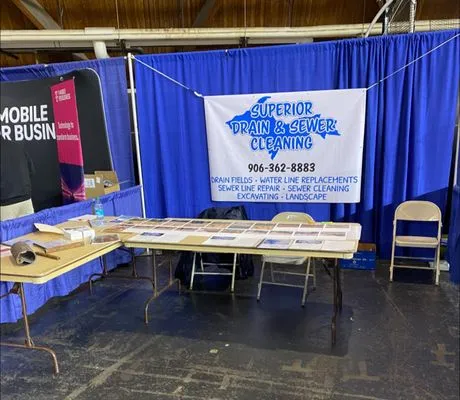
Superior Drain is a locally owned and operated plumbing and excavation service based in Marquette, MI. We specialize in addressing common household plumbing emergencies like clogged drains, sewer back...
Beauchamp Plumbing and Heating
Beauchamp Plumbing and Heating has been a trusted fixture in Marquette and the Upper Peninsula since 1993. Founded as a father-and-sons operation by Andy Beauchamp, this family-owned business has buil...
John Wright Plumbing, Heating and Air Conditioning
John Wright Plumbing, Heating and Air Conditioning is a trusted, locally-owned service provider in Marquette, MI, dedicated to keeping homes and businesses running smoothly year-round. With deep roots...
Trudell Plumbing And Heating
Trudell Plumbing And Heating has been a trusted name in Marquette, MI, for over 40 years, providing reliable plumbing and heating services to both residential and commercial clients throughout Marquet...
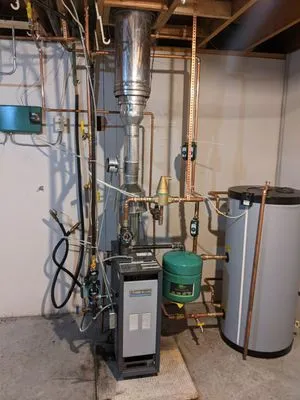
J-Goods Plumbing and Heating
J-Goods Plumbing and Heating has been serving Negaunee and Marquette County for over 20 years, specializing in residential plumbing, heating, and air conditioning services. Founded by an owner who sta...

Swick Home Services
Swick Home Services has been Marquette County's trusted plumbing and HVAC provider since 1977. As a locally owned and operated business, we've grown from our core plumbing and heating/cooling services...
Estimated Plumbing Costs in Gwinn, MI
Q&A
Does Gwinn's well water damage water heaters and faucets?
Yes. The water supplied by Wells Township Municipal Wells is very hard, meaning it has a high mineral content. This causes limescale to cement itself inside pipes and on fixture valves. Water heaters are especially vulnerable; scale buildup on the heating elements and tank lining drastically reduces efficiency and lifespan. You'll also see reduced flow and premature seal failure in faucets and shower valves.
How long does it take a plumber to get to my house in Gwinn?
A typical dispatch route for service in Gwinn starts from the KI Sawyer Heritage Air Museum area. Heading past the museum onto M-35, we navigate through the main corridor of the township. Given traffic and weather on the two-lane roads, you can expect a professional response time of 45 to 60 minutes for most calls in the township limits.
What's the most important plumbing tip for a Gwinn winter?
Before the first hard freeze, disconnect and drain your outdoor garden hoses. A hose left connected traps water in the bib, which will freeze and crack the pipe inside your wall. Given our lows around 2°F, that small task prevents one of the most common and destructive winter calls we get. Insulating exposed pipes in unheated crawlspaces is the next critical step.
Why are my copper pipes suddenly springing small leaks?
Copper pipe from the early 1970s often fails from pitting corrosion, which creates pinhole leaks. This is accelerated by our local water chemistry and the age of the pipe walls. The leaks typically manifest on hot water lines first and at soldered joints, where dissimilar metals and flux residues create weak points. It's a systemic issue for homes of this vintage, not a random event.
Do I need a permit to replace my water heater in Forsyth Township?
Yes, Forsyth Township Building Department requires a permit for water heater replacement, as does the state of Michigan. As a licensed Master Plumber through the Michigan Department of Licensing and Regulatory Affairs, I pull all necessary permits, schedule the required inspections, and ensure the installation meets all current code. Handling this red tape is part of the job, so you don't have to navigate it yourself.
Are there special plumbing concerns for a rural home near Gwinn?
Rural properties here typically combine a private well and a septic system. Maintenance on both is the homeowner's responsibility. Well pump and pressure tank issues directly affect water supply, while septic system failure is a health hazard. It's crucial to know the location of your septic tank and drain field, and to have the tank pumped on a regular schedule to avoid backups.
Could the hilly land around KI Sawyer affect my home's plumbing?
Hilly terrain places static stress on main sewer lines and water service lines. The soil movement from freeze-thaw cycles on slopes, common in our area, can cause pipes to settle or develop poor pitch. This leads to chronic drain clogs or low spots in sewer lines that collect waste. For homes on steeper lots, we often find the main cleanout is the first point of failure.
My Gwinn home was built in the 1972 Townsite era. Are my original copper pipes a problem now?
Copper plumbing installed in 1972 is now 54 years old. In the Gwinn Townsite area, we consistently see these systems entering a final stage of wear. Homeowners report pinhole leaks appearing in horizontal runs, particularly in basements and crawlspaces, and a noticeable drop in water pressure from scale accumulation. The metal has simply reached the end of its service life after decades of hard water exposure.
