Top Emergency Plumbers in Gaines, MI, 49315 | Compare & Call

There are 60 plumbing companies server in Gaines MI
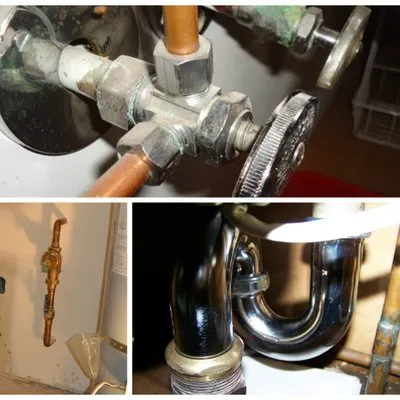
Brock's Plumbing & Sewer Cleaning
Brock's Plumbing & Sewer Cleaning is a Detroit-based plumbing company that has been serving homeowners and businesses since 2003. Founded by a licensed and insured plumber with experience from a natio...
Mr. Rooter Plumbing of Detroit
Mr. Rooter Plumbing of Detroit is a locally owned and operated plumbing service proudly serving Macomb, MI, and the surrounding Detroit area. Owner Mike, a dedicated service business enthusiast with m...

Clear Flow Drain Cleaning is a family-owned plumbing service based in Sterling Heights, MI, dedicated to providing reliable solutions for local homeowners. With 24/7 emergency availability, our experi...
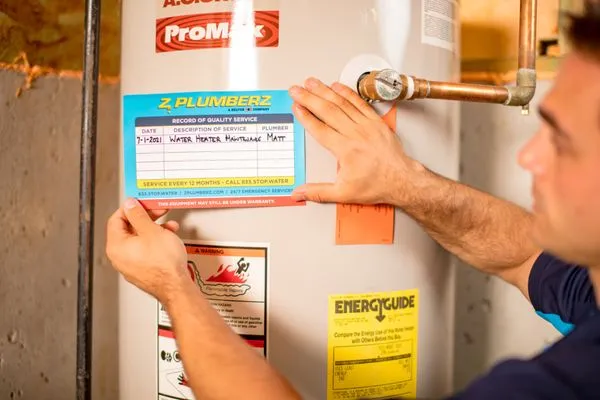
Z Plumberz
Z Plumberz is your comprehensive plumbing solution in Auburn Hills, MI, offering a full range of services from bathtub installation to sewer repair. We are a local, family-owned team committed to deli...
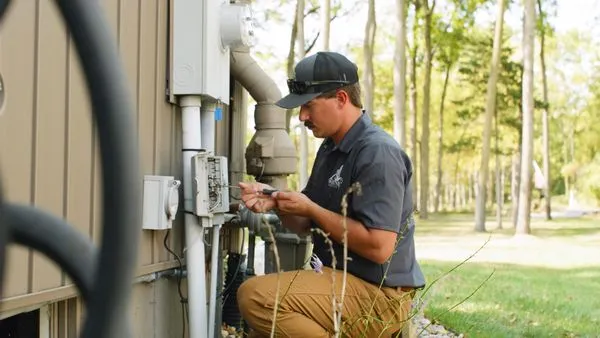
Whitney Services
Whitney Services is a licensed and insured plumbing, electrical, and HVAC company serving Lansing, Michigan, and the surrounding areas. Founded on principles of integrity, honesty, and professionalism...
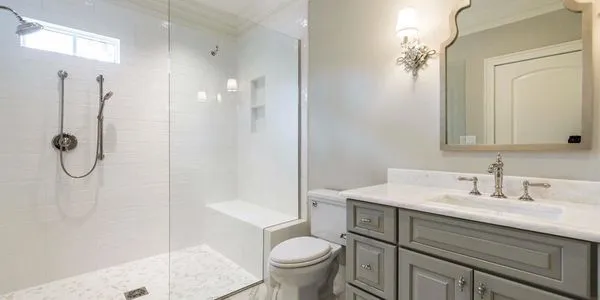
Bath Envy is a family-owned and operated bathroom remodeling company serving Clio, MI, with over 12 years of experience in project management and remodeling. Founded and run by a dedicated team, the b...
Powells Plumbing Services is a trusted, full-service plumbing company serving Oakland, MI, and the surrounding communities. We understand the specific challenges Oakland residents face, from sudden la...
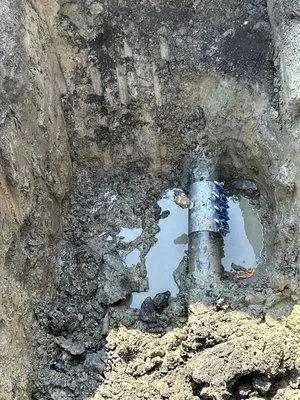
Advantage Plumbing & Heating is a trusted local plumbing service in Mount Morris, MI, dedicated to helping homeowners resolve common plumbing emergencies like laundry hose bursts and pipe corrosion. W...
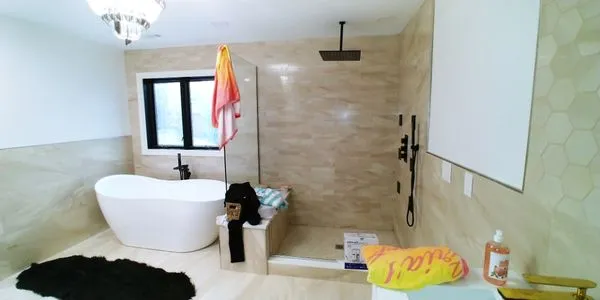
Founded in 2015 by a master plumber with over two decades of experience, Mouchet Contracting Services brings reliable plumbing solutions to Waterford Township, MI. Owner-led since the beginning, we dr...
Affordable Handyman with Experience
Affordable Handyman with Experience in Flint, MI is a local home improvement and repair service dedicated to helping Flint residents maintain and upgrade their homes. With extensive skills in plumbing...
Estimated Plumbing Costs in Gaines, MI
Q&A
Are septic and well system issues handled differently in rural Gaines?
Yes, rural plumbing here integrates the well pump, pressure tank, and septic system as one interconnected unit. A problem with one component often affects the others. For instance, a failing pressure switch can cause the pump to short-cycle, which can overload a septic drain field. Service requires understanding the entire system, from the well cap to the septic outlet, which differs significantly from a municipal water and sewer connection.
Could the flat land around here cause drainage problems for my main sewer line?
The relatively plain terrain around Gaines Community Park means drainage relies on precise pipe slope. Over decades, settling soil can create low spots or reverse grade in your main line, allowing waste and solids to collect instead of flow. This puts constant stress on the pipe and is a primary cause of recurrent blockages. We often use a camera inspection to identify these grade issues before they become a full collapse.
What's your typical response time for an emergency call in Gaines?
Heading past Gaines Community Park onto I-69 is the standard dispatch route for most of Gaines. This allows for a consistent 45 to 60 minute arrival window from the time you call. We factor in local traffic and weather on the secondary roads to your property. Knowing this route helps us provide a reliable estimate so you can plan accordingly during a plumbing crisis.
Do I need a permit to replace the plumbing in my Gaines Township home?
Most major plumbing work, like a full repipe or water heater replacement, requires a permit from the Gaines Township Building Department. As a master plumber licensed by the Michigan Department of Licensing and Regulatory Affairs, I handle pulling that permit, scheduling inspections, and ensuring the work meets all current code. This manages the red tape for you and guarantees the system is documented correctly for your property records.
Does having a private well make my water heater fail faster?
Private wells in Gaines typically draw from groundwater with high mineral content, creating very hard water. This scale buildup acts as an insulator inside your water heater tank, forcing it to work harder and overheat its elements. You'll notice reduced hot water capacity and higher energy bills. Scale also accelerates corrosion in the tank and clogs fixture aerators, a common complaint we address during service calls.
Why are my old pipes suddenly leaking in multiple places?
Galvanized steel from the 1940s fails in a specific pattern. Pinhole leaks are the most common symptom, caused by internal rust creating weak spots that finally give way. Joint calcification is another issue, where mineral deposits from decades of hard water completely seize threaded connections. This age of piping often fails section by section; repairing one leak frequently exposes the next weakest point in the line.
How long should galvanized plumbing last in a Gaines home?
Galvanized steel pipes installed around 1945 are now 81 years old. In Gaines Village, this means you're seeing the predictable failure stage. The zinc coating inside these pipes has completely eroded, leaving the bare steel to rust from the inside out. Homeowners commonly report sudden drops in water pressure, followed by rust-colored water at the tap. The pipe walls become thin and brittle, making them prone to bursting without much warning.
What's the most important winter plumbing tip for the Gaines snow belt?
Insulate any plumbing in unheated crawl spaces or along exterior walls before temperatures hit 15°F. The spring thaw is actually a higher risk period for frozen pipe bursts, as repeated freeze-thaw cycles stress weak joints. A pro-tip is to let a cold faucet drip slightly during a hard freeze, which relieves pressure in the system. For seasonal homes, a proper blow-out of all lines is non-negotiable.
