Top Emergency Plumbers in Franklin, MI, 48025 | Compare & Call

There are 236 plumbing companies server in Franklin MI

WaterWork Plumbing has been serving Ferndale and Metro Detroit since 2006, founded by licensed Master Plumber David Greylen. Starting with a single truck, the company has grown into a team of over twe...

Pypes Plumbing has served Detroit and Oakland County for years, providing reliable plumbing solutions with a focus on lasting quality. Our team handles everything from routine repairs to complex insta...

TNT Plumbing is a licensed plumbing company serving Detroit and surrounding communities since 1985. With over 20 years of experience, we provide reliable plumbing services for both residential and com...
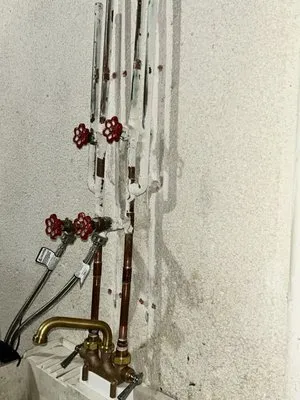
A Absolute Plumbing & Sewer Service has been the trusted, family-owned plumbing company for Clinton Twp homeowners since 1990. We specialize in residential plumbing repair and replacement, offering cl...
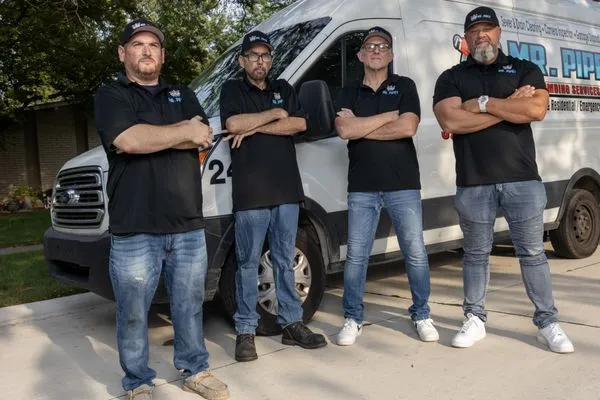
Mr. Pipey Plumbing is a Detroit-based plumbing service that specializes in resolving drain and sewer problems with effective methods. Our team uses snaking to clear blockages, hydrojetting to clean pi...
Cregger Plumbing, Heating & Cooling
Cregger Plumbing, Heating & Cooling is a third-generation family-owned business serving Ferndale and surrounding communities since 1987. Founded on deep plumbing expertise that began with the current ...
Sam's Plumbing is a second-generation, family-owned plumbing company serving West Bloomfield, MI, since 1985. With over 30 years of experience, we provide comprehensive plumbing services for both resi...
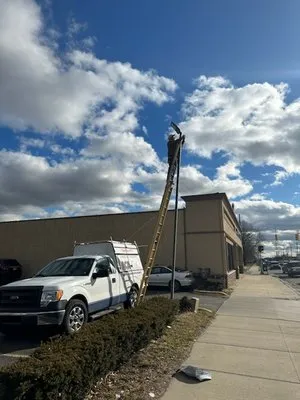
Gus The Handyman is a trusted, full-service provider for Livonia homeowners. We specialize in solving a wide range of household problems, from appliance repair to electrical work. A common local issue...
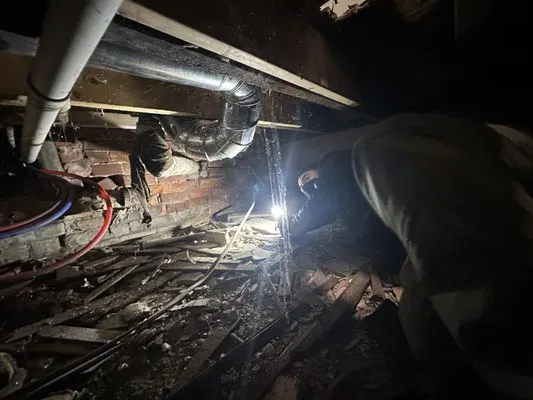
First Choice Plumbing is a trusted, full-service plumbing company serving Detroit homeowners. We understand the common and urgent plumbing challenges faced in local homes, from sudden laundry hose bur...
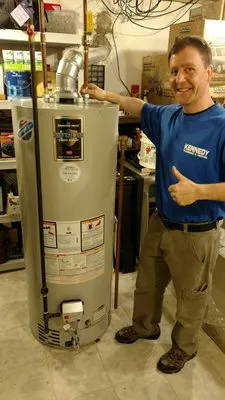
Kennedy Plumbing & Heating
For over four decades, Kennedy Plumbing & Heating has been a trusted name in Livonia and the broader Metro Detroit area. Founded in 1980 by Paul, a licensed Master Plumber, Mechanical Contractor, and ...
Estimated Plumbing Costs in Franklin, MI
Question Answers
Why do I keep getting pinhole leaks in my old pipes?
Galvanized steel from the late 1950s suffers from internal corrosion and external rust. Pinhole leaks often start where the protective zinc coating has worn thin, allowing the base steel to rust through. Another common failure at this age is joint calcification, where the original threaded fittings become sealed with mineral deposits and can crack if disturbed. These are not random failures but predictable stages in the material's degradation.
What should I do to my pipes before the spring thaw in Michigan?
Before nightly lows consistently rise above freezing, make a point to disconnect and drain your garden hoses. A pro-tip for our temperate climate is to locate and confirm the operation of your main water shut-off valve. During a rapid spring thaw, knowing how to quickly isolate your home's plumbing from a burst pipe can prevent extensive water damage. It is a simple check that is often overlooked until it is urgently needed.
How quickly can a plumber get to my house in Franklin if I have an emergency?
My typical dispatch route from the village heads past the Franklin Cider Mill to access I-696. This provides a direct arterial path into the surrounding neighborhoods. For most calls within the Franklin area, I can be on site in 30 to 45 minutes from the initial call. That timeframe is based on navigating local streets, not just highway travel.
How long do galvanized steel pipes last in a Franklin home from the 1960s?
Homes built around 1959 have galvanized steel plumbing that is now 67 years old. This is well past its functional lifespan. In Franklin Village, you are likely seeing symptoms like severely restricted water flow, persistent low pressure at fixtures, and water that appears rust-colored. The interior walls of the pipe have corroded and accumulated mineral deposits over decades, narrowing the passage for water to a fraction of its original size.
Could the hilly land around Franklin cause plumbing problems?
The slope of the terrain, like the grades near Franklin Cider Mill, directly affects drainage and pipe stress. For a home's main sewer line, gravity flow is critical; a slight settling or shift in the pipe on a hill can create a low spot that collects waste and leads to repeat blockages. The soil movement common in hilly areas also puts constant, uneven stress on buried water mains and service lines, which can fatigue older connections.
What permits are needed for a water heater replacement in Franklin?
A standard water heater replacement requires a plumbing permit from the Village of Franklin Building Department. As a master plumber licensed by the Michigan Department of Licensing and Regulatory Affairs, I pull those permits, schedule the required inspections, and ensure the installation meets all current code. My role includes handling that red tape so you do not have to navigate municipal processes yourself.
As a Franklin homeowner, am I responsible for sewer line problems?
In our suburban setting, you are typically responsible for the sewer lateral from your house out to the connection with the municipal main in the street. Tree roots seeking moisture are a frequent cause of blockages and breaks in these older lines. Municipal water pressure is generally consistent, but if you experience a sudden drop, it is worth checking your own pressure reducing valve and interior piping before assuming it is a city issue.
Does hard water from Lake Huron damage my plumbing fixtures?
Yes, the mineral content in our hard water leads to significant scale buildup. You will see it crusting on showerheads and faucet aerators, reducing flow. Inside appliances, scale insulates heating elements, forcing your water heater to work harder and fail sooner. Over years, this scaling also accelerates the clogging of old galvanized pipes, combining with existing corrosion to completely choke off water lines.
