Top Emergency Plumbers in Forsyth Township, MI, 49831 | Compare & Call

There are 19 plumbing companies server in Forsyth Township MI
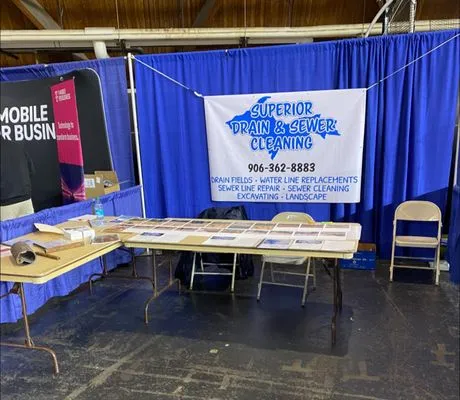
Superior Drain is a locally owned and operated plumbing and excavation service based in Marquette, MI. We specialize in addressing common household plumbing emergencies like clogged drains, sewer back...

Beauchamp Plumbing and Heating
Beauchamp Plumbing and Heating has been a trusted fixture in Marquette and the Upper Peninsula since 1993. Founded as a father-and-sons operation by Andy Beauchamp, this family-owned business has buil...
Trudell Plumbing And Heating
Trudell Plumbing And Heating has been a trusted name in Marquette, MI, for over 40 years, providing reliable plumbing and heating services to both residential and commercial clients throughout Marquet...
J-Goods Plumbing and Heating
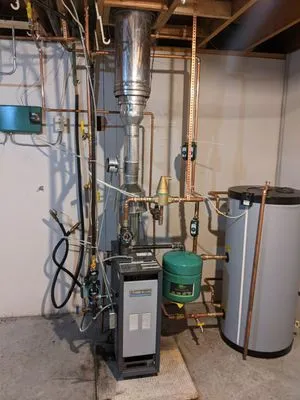
J-Goods Plumbing and Heating has been serving Negaunee and Marquette County for over 20 years, specializing in residential plumbing, heating, and air conditioning services. Founded by an owner who sta...

Swick Home Services
Swick Home Services has been Marquette County's trusted plumbing and HVAC provider since 1977. As a locally owned and operated business, we've grown from our core plumbing and heating/cooling services...
For over 60 years, James A. Dupras & Sons has been the trusted plumbing and heating contractor for Marquette residents and businesses. As a family-owned and operated company, they specialize in a full...

Prime Specialty Contracting
Prime Specialty Contracting is a Marquette-based mechanical contracting company serving Michigan's Upper Peninsula with comprehensive plumbing, heating, cooling, and metal fabrication services. We spe...
Pickles Sewer Service is a trusted plumbing and sewer specialist serving Marquette, MI, and the surrounding communities. We provide comprehensive plumbing inspections to identify and address common lo...

For over a century, Hakala Well & Pump Service has been Negaunee's trusted partner for water system health. Based right here in town, we specialize in diagnosing and solving the plumbing issues common...

Swailes Plumbing & Heating
Swailes Plumbing & Heating is a trusted local plumbing and heating company serving Gwinn, MI, and the surrounding areas. With expertise in metal fabrication and thorough plumbing inspections, they pro...
Estimated Plumbing Costs in Forsyth Township, MI
Q&A
Do I need a permit to replace my water heater in Forsyth Township?
Yes, the Forsyth Township Building Department requires a permit for water heater replacement to ensure proper venting, pressure relief, and seismic strapping are up to code. As a Master Plumber licensed with the Michigan Department of Licensing and Regulatory Affairs, I handle pulling that permit and scheduling the required inspections. My license means the red tape and compliance details are managed for you, keeping the project legal and insurable.
Why do my copper pipes keep springing pinhole leaks?
Copper pipes installed in 1974 are susceptible to pinhole leaks due to a process called Type 1 pitting corrosion. Over five decades, the combination of our well water's specific chemistry and electrical grounding currents can create highly localized corrosion cells. The leaks often appear on horizontal hot water runs or at the bottom of vertical pipes where sediment and oxygen concentrate, wearing through the pipe wall from the inside out.
If I call for an emergency in Forsyth Township, how quickly can a plumber get here?
From our shop, the dispatch route typically heads past the KI Sawyer Heritage Air Museum onto M-35. Given local traffic and road conditions, that puts most homes in the township within a 45 to 60 minute response window. We factor in the season, as winter weather on M-35 can add time, so we provide realistic updates the moment we're on the road.
Does having a private well with hard water damage my plumbing fixtures?
Yes, the mineral content in private well water here accelerates wear. Hard water scaling acts like insulating concrete inside your water heater tank, forcing it to work harder and shortening its lifespan. You'll see scale crust on showerheads and faucet aerators, which reduces flow and can cause premature cartridge failures in mixing valves. Installing and maintaining a proper water softener is not a luxury here; it's essential hardware protection.
Are plumbing issues different out here in the country compared to in a city?
Rural plumbing here involves managing two independent systems: the private well and the septic field. A problem with one often affects the other. For instance, a constantly running toilet from a faulty flapper can overload and flood your septic drain field. There's no municipal water pressure to mask issues like a failing well pump pressure tank, so changes in flow or pressure are your first and most direct diagnostic tools.
What's the most important thing to do to prevent frozen pipes in the Gwinn snow belt?
The critical pro-tip is to disconnect and drain your exterior garden hoses well before the first hard freeze, usually by late October. A forgotten hose traps water in the bib, which freezes and splits the pipe inside your wall. With lows hitting 6°F, that split can go unnoticed until the spring thaw, when it floods your basement. Insulating exposed pipes in crawl spaces and leaving cabinet doors open on cold nights are also key defenses.
Could the hilly land around here be causing my drainage problems?
Absolutely. The slopes common around the KI Sawyer area put constant, uneven stress on underground sewer and water main lines. Over time, this can cause joints to separate or pipes to sag, creating low spots that collect debris and cause blockages. For drainage, water naturally follows the grade, which can overwhelm foundation footing drains or septic drain fields if the surface grading isn't directing runoff away from the house properly.
My house in Gwinn was built in the 70s. What kind of plumbing issues should I expect now?
Homes built around 1974 have copper pipes that are now 52 years old. In Gwinn, you might start noticing a persistent drop in water pressure or a faint metallic taste in the water. This is often the first sign of internal scale buildup from decades of hard water. For copper this age, pinhole leaks from internal corrosion, especially at soldered joints, become a common failure point, typically showing up first in hot water lines.
