Top Emergency Plumbers in Forest Home, MI, 49615 | Compare & Call

There are 40 plumbing companies server in Forest Home MI
Walters & Hemming has been a trusted name in Traverse City plumbing and HVAC since 1926. As a family-owned and operated business, we build on nearly a century of experience to provide reliable heating...

Precision Plumbing & Heating
Precision Plumbing & Heating has been serving Traverse City, MI, since 2000 as a trusted, family-owned provider of comprehensive home services. We specialize in plumbing, heating, air conditioning, an...

Northern Plumbing and Heating is a trusted local plumbing and HVAC company serving Cedar, MI, and surrounding areas. We specialize in comprehensive solutions for common local plumbing issues, includin...
Mr. Rooter Plumbing of Traverse City
Mr. Rooter Plumbing of Traverse City serves Kalkaska, MI, and the surrounding area with reliable plumbing solutions. With over 50 years of industry experience since the original Mr. Rooter was founded...
Roto-Rooter Plumbing & Drain Service
Roto-Rooter Plumbing & Drain Service is your local Traverse City plumbing expert, ready to help 24/7. As part of North America's largest network of plumbing and drain cleaning professionals, we bring ...

Douglas Water Conditioning
Since 1968, Douglas Water Conditioning has been a trusted water treatment resource for Michigan, with a dedicated team in Traverse City ready to serve you. As a Licensed, Bonded, and Insured company w...

Roto Rooter of Northern Michigan
Roto Rooter of Northern Michigan has been serving Traverse City and surrounding communities since 1935, bringing reliable plumbing solutions to local homes and businesses. As part of the Roto-Rooter n...

Sheren Plumbing, Heating and Cooling
Jerry Sheren founded Sheren Plumbing, Heating & Cooling over 30 years ago in Traverse City, drawing on experience from the US Air Force Civil Engineering Division and years in the HVAC industry. Start...
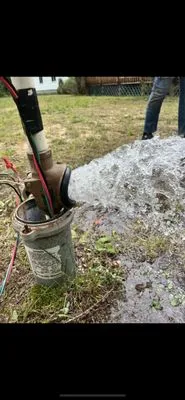
Ron's Repair in Frederic, MI, is a trusted local plumbing and septic service provider with over 20 years of experience. Founded by Ron, a family man who understands the financial pressures households ...

Thomas Plumbing is a trusted, licensed plumbing contractor serving the Interlochen and greater Traverse City area since 1992. With over 25 years of hands-on experience, we provide reliable plumbing so...
Estimated Plumbing Costs in Forest Home, MI
Q&A
Could the hilly land around Torch Lake be causing my drainage or sewer problems?
The sloping terrain common around Forest Home directly stresses your main sewer or water line. Gravity pulls the pipe downhill, which can cause joints to separate or the pipe to sag over time, creating a belly that collects debris. For septic systems, the hill can complicate drain field placement and efficiency. When troubleshooting slow drains or backups, the slope of your property is always a primary factor I inspect.
Do I need a permit from Antrim County to replace my water heater or re-pipe my house?
Yes, most major plumbing work in Antrim County requires a permit and inspection from the Building Department. As a master plumber licensed by the Michigan Department of Licensing and Regulatory Affairs, I handle pulling those permits, scheduling inspections, and ensuring the work meets all state and local codes. My license means I manage the red tape so you don't have to, and the work is documented correctly for your home's records.
How fast can a plumber get to my house in Forest Home in an emergency?
My dispatch route typically has me heading past Torch Lake on US-131, then onto the local roads. Barring a major winter storm, I can usually be on-site within 45 to 60 minutes from the initial call. I keep my truck stocked for common local emergencies like burst pipes or failed well pumps to minimize any extra trips for parts.
Why do my copper pipes from the 80s keep springing pinhole leaks?
Copper pipes installed in 1985 are susceptible to a specific type of corrosion called Type M pitting. Our region's hard water creates scale buildup inside the pipe, which traps water and minerals against the copper wall. Over four decades, this creates a chemical cell that eats through the pipe from the inside out, resulting in those characteristic pinhole failures, especially in hot water lines.
Does having a private well with hard water damage my water heater or appliances?
Absolutely. Water from a private well here is often high in minerals like calcium and magnesium. This hard water causes rapid scale buildup inside your water heater tank and on heating elements, drastically reducing efficiency and lifespan. You'll also see scaling on faucet aerators and showerheads, which restricts flow. Installing a whole-house water softener is the most effective defense to protect your major appliances and plumbing fixtures.
What's the most important thing I should do to my plumbing before winter in the Forest Home snow belt?
Before temperatures consistently hit that 12-degree low, disconnect and drain all outdoor hoses. The critical pro-tip is to locate and shut off the interior valve for each outdoor spigot, then open the exterior spigot to let any residual water drain out. This prevents a freeze inside the wall, which is a common and costly repair. Insulating pipes in unheated crawlspaces is also non-negotiable here.
As a rural homeowner with a well and septic, what plumbing issues should I watch for?
Your system operates independently, so maintenance is key. For the well, watch for pressure tank issues or sediment in the water indicating pump or screen problems. For the septic, be vigilant about slow drains and never ignore standing water in the drain field, especially during the spring thaw. Unlike a municipal system, a failure here is entirely your responsibility to address, so proactive care is cheaper than an emergency replacement.
My home was built around 1985 and I'm noticing blue stains or small leaks. Is this normal for copper pipes?
Your copper plumbing is now over 40 years old, which is its typical functional lifespan in our area. Homes built in Central Forest Home during that mid-80s construction wave are hitting a predictable failure window. What you're seeing is likely pinhole leaks from internal corrosion, often accelerated by our hard water. These small leaks frequently appear at solder joints or along horizontal pipe runs, signaling the system is nearing the end of its service.
