Top Emergency Plumbers in Fillmore, MI, 49419 | Compare & Call

There are 235 plumbing companies server in Fillmore MI
Home Comfort Experts
Home Comfort Experts is a trusted local provider serving Mishawaka residents with comprehensive plumbing, HVAC, and indoor air quality solutions. Our team of skilled technicians specializes in residen...

Cascade Plumbing is a family-owned Grand Rapids plumbing company with over 25 years of dedicated service to Cascade and the wider Kent County area. Founded by Jon, a proud local father and community m...

Ferrer Plumbing has been a trusted name in Grand Rapids for over 15 years, providing reliable plumbing solutions for homes and businesses throughout the area. As a family-owned and operated service, w...
Integrity Handyman Services of West Michigan
Integrity Handyman Services of West Michigan is a female-owned business based in Grand Rapids, dedicated to providing reliable home maintenance and repair solutions across West Michigan. We approach e...

Grapids Home Services
For over two decades, Grapids Home Services has been a trusted name in Grand Rapids, founded by Nathan Engelsma in 1999. With Nate's extensive experience and a team of NATE and Nexstar certified techn...
Godwin Plumbing & Hardware
Godwin Plumbing & Hardware has been a trusted name in West Michigan since 1955, built on generations of local service. We are a family of experts with over 90 years of combined experience, dedicated t...

Budget Plumbing has been a trusted name in Hudsonville and the surrounding communities for over 45 years. This locally owned and operated business is built on a foundation of reliability and honesty, ...
VerBurg Plumbing Service, based in Allegan, MI, is a full-service plumbing company owned and operated by a master plumber with over 34 years of experience. We provide reliable solutions for residentia...
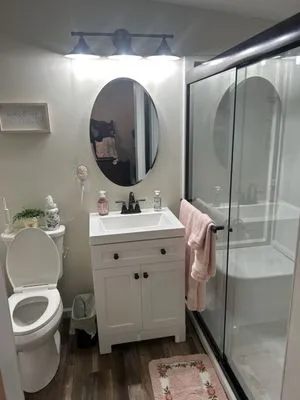
Fix It All Plumbing is your trusted local plumbing expert serving Reed City, MI and surrounding areas. We provide comprehensive plumbing services including bathtub, drain, faucet, garbage disposal, ga...

Brian O'Reilly Plumbing Services is a trusted local plumbing company serving Byron Center, MI, and surrounding areas. With years of experience, we specialize in a wide range of services including bath...
Estimated Plumbing Costs in Fillmore, MI
Common Questions
How fast can a plumber get to my house in Fillmore?
Heading past Fillmore Township Park on US-31, I can typically reach most homes in the area within 45-60 minutes. US-31 provides a direct route through the township, avoiding backroad delays. This dispatch path allows for consistent response times, even during seasonal weather changes that affect local roads.
Does hard water from my private well damage plumbing fixtures?
Hard water causes scale buildup that reduces water heater efficiency by up to 30% over time. The minerals accumulate on heating elements and inside tanks, forcing them to work harder. Fixtures like showerheads and faucets develop reduced flow as scale blocks internal passages. Installing a whole-house water softener protects both your well system and home plumbing from these effects.
Could the flat land around Fillmore Township Park cause drainage issues?
Plain terrain means water doesn't drain away quickly from foundations. During heavy rain or snowmelt, water pools around homes and can seep into basements through cracks in foundation walls. This constant moisture also puts lateral stress on main sewer lines buried in the soil. Proper grading away from your foundation and functional downspout extensions are essential here.
Who handles permits for plumbing work in Allegan County?
I coordinate directly with the Allegan County Building Department for all required permits. My Michigan Department of Licensing and Regulatory Affairs credentials ensure work meets state codes. Homeowners don't need to navigate paperwork—I handle the red tape so projects proceed smoothly. This includes inspections for major installations like water heaters or sewer line replacements.
What should I do to prepare my plumbing for Fillmore winters?
Before temperatures drop to 15°F, disconnect and drain outdoor hoses, then shut off interior valves to outdoor faucets. Insulate pipes in unheated spaces like crawl spaces and garages. During spring thaw, check for new drips or moisture around pipes—ground shifting can stress connections. These simple steps prevent most freeze-related emergencies in our snow belt climate.
Why do my copper pipes keep springing leaks?
Copper pipes from 1985 often develop pinhole leaks due to internal corrosion from decades of water flow. Joint calcification is another common issue—mineral deposits build up at solder points, creating weak spots that eventually fail. These failures typically start in areas with frequent temperature changes, like near water heaters or exterior walls.
My Fillmore Center home was built around 1985—should I be worried about my plumbing?
Copper pipes installed in 1985 are now 41 years old. At this age, homeowners in Fillmore Center often notice pinhole leaks appearing in hot water lines first, especially near joints. The copper has experienced decades of thermal expansion and water chemistry changes. These small leaks can escalate quickly, so checking visible pipes in basements or crawl spaces monthly helps catch issues early.
Are there special plumbing considerations for rural Fillmore homes?
Private wells and septic systems require different maintenance than municipal services. Well pumps need periodic pressure checks, and septic tanks should be pumped every 3-5 years depending on household size. Water quality testing helps identify issues before they damage plumbing fixtures. These systems operate independently, so regular professional inspections prevent costly surprises.
