Top Emergency Plumbers in Filer, MI, 49634 | Compare & Call

There are 20 plumbing companies server in Filer MI

West Michigan Drain Solutions is your local, licensed sewer and drain service in Hart, MI, specializing in rehabilitation and maintenance. Founded on a legacy of reliable service—formerly operating as...
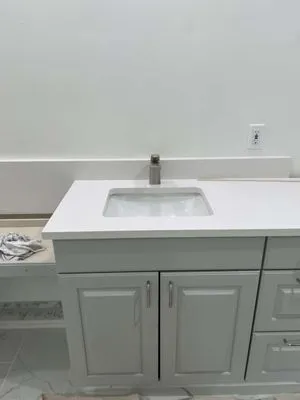
Bentley Plumbing is a family-owned plumbing service in Reed City, MI, with over 20 years of combined experience. Founded by a Master Plumber who now works alongside his two sons as apprentices, we bri...
Mr. Rooter Plumbing of Traverse City
Mr. Rooter Plumbing of Traverse City serves Kalkaska, MI, and the surrounding area with reliable plumbing solutions. With over 50 years of industry experience since the original Mr. Rooter was founded...

Roto Rooter of Northern Michigan
Roto Rooter of Northern Michigan has been serving Traverse City and surrounding communities since 1935, bringing reliable plumbing solutions to local homes and businesses. As part of the Roto-Rooter n...

Sheren Plumbing, Heating and Cooling
Jerry Sheren founded Sheren Plumbing, Heating & Cooling over 30 years ago in Traverse City, drawing on experience from the US Air Force Civil Engineering Division and years in the HVAC industry. Start...
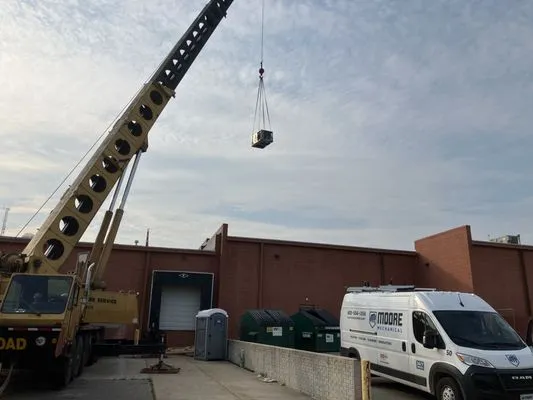
Moore Mechanical Plumbing & Heating & Air
Moore Mechanical Plumbing & Heating & Air has been a trusted local service provider in Honor, MI, and across the Lower Peninsula since 1996. As a fully licensed contractor, we specialize in comprehens...
RAM Plumbing Services & Drain Cleaning
RAM Plumbing Services & Drain Cleaning is your trusted local plumbing specialist in Copemish, Michigan. We provide complete commercial and residential service, covering everything from repairs and rep...

Able Heating & Cooling
For over 25 years, Able Heating & Cooling has been the trusted name for residential and commercial heating, cooling, and plumbing services in Cadillac, MI. We specialize in the repair and installation...
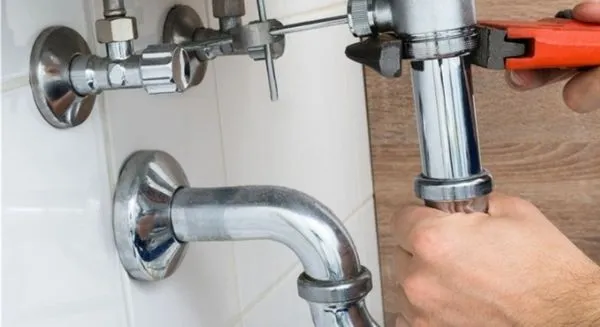
Jack's Drain & Plumbing Repair is your trusted local plumbing expert in Eastlake, MI. We understand that common issues like broken shutoff valves and pipe joint leaks can cause significant stress and ...
Bob's Plumbing & Mechanical
Bob's Plumbing & Mechanical has been the trusted name for heating, plumbing, and sewer services in the Township of Branch for over 25 years. We provide comprehensive solutions from routine repairs to ...
Estimated Plumbing Costs in Filer, MI
Q&A
How quickly can a plumber reach my home in Filer?
Heading past Manistee River on US-31, I can typically reach most Filer addresses within 45-60 minutes for emergency calls. The dispatch route follows US-31 north from the river, then connects to local roads through the township. While that might seem longer than city response times, it's standard for our rural area. I keep trucks stocked with common repair parts for galvanized systems to minimize return trips.
Who handles permits for plumbing work in Manistee County?
I coordinate directly with the Manistee County Building Department for all required permits and inspections. My Michigan Department of Licensing and Regulatory Affairs credentials cover the necessary certifications for septic, well, and structural plumbing work. Homeowners don't need to navigate this bureaucracy themselves—I submit paperwork, schedule inspections, and ensure compliance with current codes. This includes the specific requirements for replacing galvanized systems in historic homes. Handling the red tape is part of the service.
Does Lake Michigan water damage home plumbing systems?
Lake Michigan contributes to our hard water, which contains dissolved minerals that precipitate as scale. This scale accumulates inside water heaters, reducing efficiency by 20-30% and shortening their lifespan. Fixtures develop crusty deposits around aerators and showerheads, restricting flow. The minerals also accelerate corrosion in galvanized pipes by creating electrolytic cells. Installing a whole-house water softener can mitigate these effects, but existing scale needs professional removal.
How does Filer's hilly terrain affect plumbing?
The slope toward Manistee River creates drainage challenges that stress main sewer lines. Gravity pulls wastewater downhill, but soil erosion around pipes can cause misalignment and joint separation. During heavy rains, groundwater saturation puts hydrostatic pressure on buried lines. Homes at higher elevations may experience low water pressure, while those lower down deal with backup risks. Proper grading and periodic camera inspections help identify these terrain-related issues before they fail completely.
Are septic systems different in rural Filer than in cities?
Rural Filer properties typically use septic systems and private wells, unlike municipal sewer connections. Septic tanks require pumping every 3-5 years depending on household size, and drain fields can fail if overloaded with water or chemicals. Well pumps and pressure tanks need regular maintenance to prevent hard water scale buildup. These systems operate independently, so problems affect only your property rather than neighborhood lines. Understanding this self-contained setup helps prioritize maintenance tasks.
Why are so many Filer homes having plumbing problems lately?
Galvanized steel pipes installed around 1953 are now 73 years old in 2026. That's well beyond their 40-50 year lifespan. Homeowners in Filer City are seeing widespread rust buildup inside pipes, which restricts water flow and causes pressure drops. The steel has corroded through in many cases, leading to leaks in walls and ceilings. This isn't random bad luck—it's predictable infrastructure aging that affects entire neighborhoods built during that period.
What causes those tiny leaks in old Filer plumbing?
Galvanized steel pipes from 1953 develop pinhole leaks as the zinc coating wears off and the underlying steel corrodes. Joint calcification is another issue—mineral deposits build up at connections until they crack under pressure. These failures often start in hard-to-see areas like crawl spaces or behind walls. The problem compounds because repairing one section puts stress on adjacent older pipe, creating a cascade of failures.
What should Filer homeowners do before spring thaw?
Before temperatures rise above freezing, insulate exposed pipes in crawl spaces and along exterior walls. Check that outdoor spigots are properly winterized—a burst pipe during thaw can flood a basement. Clear snow away from foundation vents to prevent meltwater from seeping into your plumbing system. Schedule a pressure test on your main line in late winter; ground shifting during freeze-thaw cycles often reveals weak spots before they become emergencies.
