Top Emergency Plumbers in Ferry Township, MI, 49455 | Compare & Call

There are 25 plumbing companies server in Ferry Township MI

Cascade Plumbing is a family-owned Grand Rapids plumbing company with over 25 years of dedicated service to Cascade and the wider Kent County area. Founded by Jon, a proud local father and community m...
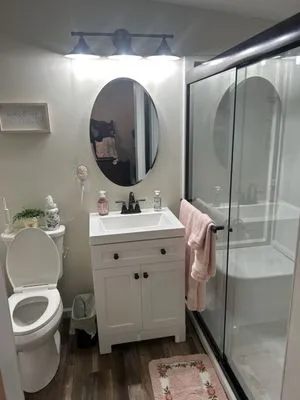
Fix It All Plumbing is your trusted local plumbing expert serving Reed City, MI and surrounding areas. We provide comprehensive plumbing services including bathtub, drain, faucet, garbage disposal, ga...
Scheid Plumbing Heating & Cooling
For over four decades, Scheid Plumbing Heating & Cooling has been a trusted family-owned name serving Whitehall, MI, and the surrounding communities of Muskegon, Oceana, Newaygo, Kent, and Ottawa coun...
Heyboer Plumbing is a trusted, locally-owned plumbing service in Rockford, MI, dedicated to keeping homes and businesses running smoothly. We specialize in comprehensive plumbing solutions including d...
Wassink Plumbing
Founded in 2018 by licensed Plumbing Contractor Chad Wassink, Wassink Plumbing brings over 14 years of professional experience to every job in Holland and West Michigan. Chad began his career in 2005,...

Pierson Plumbing & Drain Service is your trusted, local plumbing expert serving Cedar Springs and the surrounding area. We specialize in providing prompt, reliable solutions for the common plumbing ch...
Multi Serve Restoration & Repair
Multi Serve Restoration & Repair is a Grand Rapids-based contractor with deep roots in Michigan, having served the community since 1997. We started by providing essential residential and commercial co...
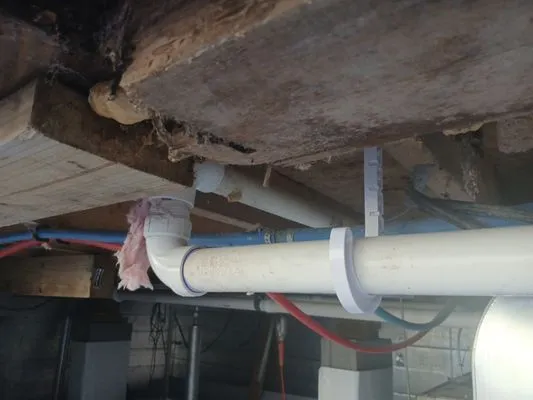
Lakeshore Plumbing & Heating is a trusted local plumbing service based in Shelby, MI, dedicated to helping homeowners maintain safe and efficient plumbing systems. We specialize in thorough plumbing i...

Lascko Services
Since 1999, Lascko Services has been the trusted, family-owned plumbing and HVAC company for Muskegon residents and businesses. Our journey began over two decades ago with a commitment to reliable ser...

West Michigan Drain Solutions is your local, licensed sewer and drain service in Hart, MI, specializing in rehabilitation and maintenance. Founded on a legacy of reliable service—formerly operating as...
Estimated Plumbing Costs in Ferry Township, MI
Question Answers
Could the flat land near Stony Lake cause plumbing problems?
The relatively plain terrain can complicate drainage. During heavy rain or rapid snowmelt, saturated soil around your foundation puts constant hydrostatic pressure on the underground main water line and sewer lateral. This pressure can shift pipes, stressing connections. For homes with basements, it also increases the risk of water intrusion through floor drains or sump pit seams, stressing the entire drainage system.
Does hard water from my private well damage my plumbing?
Hard water causes mineral scale to build up inside pipes and appliances. This scaling is most damaging to water heaters, drastically reducing efficiency and overheating the lower element. For fixtures, it clogs aerators and cartridge valves, leading to low flow and premature failure. Without a municipal water softener, this accumulation accelerates wear on all your home's water-using hardware.
Are septic and well issues connected to my home's plumbing?
Absolutely. In a rural setting like ours, your plumbing system directly interfaces with the private well and septic tank. A failing pressure switch on the well pump will cause loss of water pressure in the house. Conversely, a clogged septic field can cause sewage to back up into the lowest drains in your home. Maintaining these integrated systems is part of a holistic approach to your home's water and waste flow.
How long does it take for a plumber to get to my house in Ferry Center?
Our dispatch route typically heads past Stony Lake on US-31 to reach most homes in the township. That direct highway run means a 45 to 60 minute response from the initial call. We factor in local road conditions, especially during winter months, but US-31 provides the most reliable path for service vehicles to reach you.
Do I need a permit to replace my water heater in Oceana County?
Yes, the Oceana County Building Department requires a permit for water heater replacement to ensure proper pressure relief valve and venting installation. As a Michigan licensed master plumber through the Department of Licensing and Regulatory Affairs, I pull these permits and schedule the required inspections. Handling this red tape is part of the job, ensuring the work is documented and compliant for your safety and home records.
What is a pinhole leak and why does it happen in copper pipes?
A pinhole leak is a small, pinpoint failure in a copper pipe wall, often caused by localized corrosion. In systems from 1981, this corrosion frequently starts at the solder joints due to galvanic reaction between the copper and the old lead-tin solder. Over 45 years, well water's chemistry and flow turbulence wear through these spots, resulting in a sudden, spraying leak that can damage walls and ceilings.
What should I do to prepare my plumbing for the Ferry Township winter?
Before temperatures consistently hit 15 degrees, disconnect and drain all outdoor hoses. Insulate any water lines in unheated spaces like crawl spaces or garages. A key pro-tip for our snow belt is to know where your main water shutoff is; a pipe bursting during a spring thaw can release a tremendous volume of water. A small drip from faucets during extreme cold can also prevent pressure buildup in vulnerable lines.
Why am I getting so many pipe leaks in my Ferry Township home?
Homes built around 1981, common in Ferry Center, have copper plumbing that is now 45 years old. At this age, the protective internal scale that formed over decades can become uneven, exposing thin spots in the pipe wall. You will start seeing clusters of pinhole leaks, often on horizontal hot water runs or at sweat joints, as the copper reaches the end of its typical service life. It is a predictable failure point for the neighborhood.
