Top Emergency Plumbers in Essexville, MI, 48732 | Compare & Call

There are 42 plumbing companies server in Essexville MI

Mid-State Sewer Service is a licensed and established plumbing resource for Freeland residents and businesses. Since 2019, we've provided reliable drain and sewer solutions, from routine maintenance t...
Mike's Handyman Services is a Bay City-owned and operated business, founded by Mike, a Navy veteran and journeyman plumber. His service in the Navy instilled a strong sense of discipline and integrity...

R&D Solutions is a trusted plumbing service provider in Saginaw, MI, specializing in comprehensive solutions for residential plumbing needs. We address common local issues like lead pipe concerns and ...
Tri-City Rooter is your trusted, local plumbing partner serving Midland and the surrounding communities. We provide a comprehensive range of plumbing services, from routine drain repair and toilet ins...
Edhore is a trusted handyman and plumbing service in Saginaw, MI, specializing in appliance installation, bathtub and shower work, door and floor installation, and comprehensive plumbing services. For...
LJA Home Improvements is your trusted, local partner for a wide range of home services in Freeland and the surrounding area. We are a skilled, honest, and reliable team offering roofing, plumbing, flo...
Klenow & Sons Plumbing has been serving the plumbing, cleaning, and waterproofing needs of Saginaw, Bay, and Midland County residents since 2008. As a family-owned local business, we understand the un...
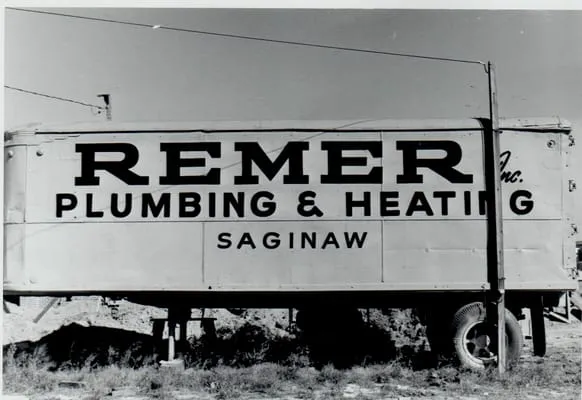
Remer Plumbing Heating & Air Conditioning
Since 1957, Remer Plumbing Heating & Air Conditioning has been a trusted, family-owned resource for Saginaw and the Tri-Cities region. With deep local roots and a team of 85 state-licensed professiona...
Goddeyne Plumbing & Heating
Goddeyne Plumbing & Heating is a third-generation, family-owned business proudly serving Bay City and the Tri-Cities area for nearly 75 years. Founded in 1965, we have built our reputation on reliable...
Three T's Plumbing, Heating & Cooling
Three T's Plumbing, Heating & Cooling has been serving Vassar, MI, and the surrounding areas since 2004. Founded by Todd Noblin, this family-run business brings over 15 years of combined experience in...
Estimated Plumbing Costs in Essexville, MI
Common Questions
Could my home's location near Bay City State Park affect my main sewer line?
Low-lying terrain around Bay City State Park creates drainage challenges that stress main sewer lines. Gravity flow systems in these areas require precise slope maintenance. Soil saturation from parkland runoff can cause shifting that misaligns pipe joints over time. Main lines often develop bellies or sags where water and debris collect, leading to recurrent clogs. Regular camera inspections help identify these terrain-induced issues before they become emergencies.
What should I do before spring thaw to prevent plumbing problems in Essexville's climate?
Before temperatures rise above freezing consistently, check all exterior faucets for proper drainage and insulation. Disconnect garden hoses stored over winter. Inspect basement and crawl space pipes for any sections that froze during our 15-degree lows. A pro-tip: leave cabinet doors open under sinks on exterior walls during the first warm days to allow warm air circulation around pipes as ice melts.
Does Lake Huron water affect my water heater and fixtures differently than other areas?
Lake Huron's mineral content creates hard water that deposits scale inside water heaters and fixtures. Scale buildup acts as insulation in water heaters, forcing them to work harder and shortening their lifespan. Fixtures develop reduced flow as aerators and valve seats accumulate mineral deposits. Anode rods in water heaters corrode faster here, requiring more frequent replacement to protect the tank.
Why do my 1950s-era pipes keep springing small leaks at the joints?
Galvanized steel pipes from the 1950s develop joint calcification as the threaded connections deteriorate. The steel threads corrode at different rates than the pipe walls, creating weak points where pinhole leaks form. These often appear at elbows and tees first. Mineral deposits from our hard water accelerate the corrosion process, making joints fail decades sooner than straight pipe sections.
What permits and regulations apply to plumbing work in Essexville homes?
The Essexville Building Department requires permits for most plumbing modifications, especially when touching main lines or water heaters. As a Michigan Department of Licensing and Regulatory Affairs licensed master plumber, I handle the permit applications and inspections. This includes ensuring work meets current code for backflow prevention and proper material specifications. Homeowners avoid red tape while maintaining proper documentation for future sales or insurance claims.
How quickly can a plumber reach my Essexville home during an emergency?
Heading past Bay City State Park on I-75 puts us within 20-30 minutes of most Essexville addresses. That dispatch route follows the main corridor connecting the recreational areas to residential neighborhoods. We monitor traffic patterns to avoid bottlenecks, especially during summer park traffic. Emergency calls get routed based on current location rather than office proximity.
As an Essexville homeowner with municipal water, what unique plumbing issues should I watch for?
Municipal water pressure in suburban Essexville typically runs higher than rural systems, which accelerates wear on aging galvanized pipes. Tree roots seek out moisture in lateral lines, especially during dry periods. Pressure regulators fail more frequently here due to constant high pressure. Unlike rural properties with wells, you won't have pump issues, but you will deal with main line breaks from soil shifting around established root systems.
My Woodside home's pipes are making noises and water pressure seems low - what's happening with these old pipes?
Galvanized steel pipes installed around 1953 are now 73 years old. At this age, the zinc coating has completely eroded, leaving bare steel exposed to constant water contact. Homeowners throughout Woodside are noticing reduced water flow as mineral deposits and rust accumulate inside the pipes. The interior diameter can shrink by half over seven decades, creating that familiar pressure drop and metallic taste in drinking water.
