Top Emergency Plumbers in Elmer Township, MI, 48619 | Compare & Call

There are 26 plumbing companies server in Elmer Township MI
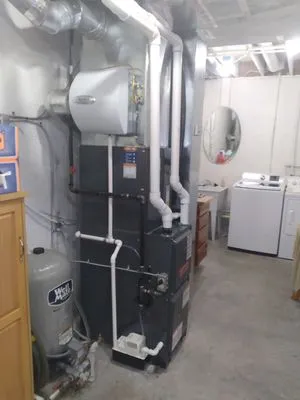
Universal Temperature Engineering
Universal Temperature Engineering has been a trusted home services provider in Lewiston, MI, since 2000. Founded on expertise in HVAC and refrigeration, the company has grown to offer comprehensive pl...
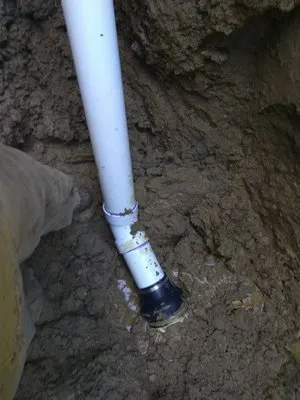
Williams Plumbing Services has been the trusted local plumbing expert in Harrison, MI, for over 35 years. Licensed and insured, we provide reliable, professional-quality plumbing solutions for both re...

Drain Rescue in Roscommon, MI, is a locally owned and operated plumbing service dedicated to solving your toughest drain and pipe problems. Since our establishment in 2017, our core mission has been t...
Mr. Rooter Plumbing of Traverse City
Mr. Rooter Plumbing of Traverse City serves Kalkaska, MI, and the surrounding area with reliable plumbing solutions. With over 50 years of industry experience since the original Mr. Rooter was founded...
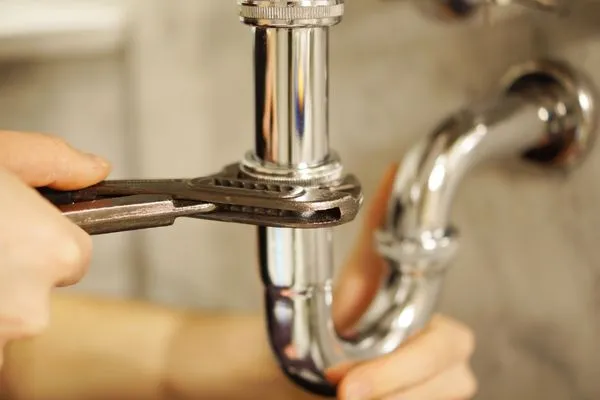
Bailey's Plumbing Services has been a trusted name in East Tawas for over 30 years, with 19 years of Master Plumber licensure. We're built on dedication, reliability, and providing real value for ever...
Jerry's Plumbing & Heating is your trusted, local plumbing expert in Mio, MI. For years, Jerry has been helping homeowners and businesses tackle the area's most common plumbing concerns, from the seri...

Weinkauf Plumbing & Heating
Weinkauf Plumbing & Heating has been a trusted fixture in Alpena since 1959, providing reliable plumbing and heating solutions to residential, commercial, and industrial clients. With a team of licens...
Jack's Heating
Jack's Heating is a trusted, family-owned HVAC and plumbing service provider serving Fairview, Michigan, and the surrounding communities. Since 1989, we have built a reputation for reliable heating, a...
Huron Shores Plumbing & Heating is a trusted, locally-owned plumbing and heating service provider serving Oscoda County, MI. We specialize in comprehensive plumbing inspections to identify and address...
For over [XX] years, Gilchrist Plumbing & Heating has been the trusted local plumbing and heating service for Lewiston, MI, and the surrounding communities. As a family-owned and operated business, we...
Estimated Plumbing Costs in Elmer Township, MI
Common Questions
Do I need a permit to replace my water heater or re-pipe my house?
Most major plumbing work in Oscoda County requires a permit from the Building Department. As a Master Plumber licensed by the Michigan Department of Licensing and Regulatory Affairs, I handle pulling those permits, scheduling inspections, and ensuring the work meets all state and local codes. My credential means I manage that red tape for you, so the project is documented correctly for your home's records and your safety.
Is maintaining a private well and septic system different from city utilities?
Absolutely. With a private well, you are your own water company, responsible for the pump, pressure tank, and water quality. Your septic system also requires regular pumping every 3-5 years. A failure in either system is a complete loss of service, not just a billed repair. We recommend annual well equipment checks and being mindful of what goes down the drain to avoid costly septic field failures.
Does hard well water damage my plumbing fixtures?
Yes, the hard water common to private wells here causes significant scale buildup. Inside your water heater, this mineral scale acts as an insulator, forcing the unit to work harder and burn out elements or the tank itself prematurely. On faucets and showerheads, it restricts flow and degrades seals. Installing and maintaining a whole-house water softener is the standard defense to protect your appliances and extend pipe life.
Could the flat land here cause drainage problems for my home?
The plain terrain around Elmer Township Hall means water has nowhere to run off quickly. During heavy rain or rapid snowmelt, saturated soil can put constant hydrostatic pressure on your foundation and the main sewer line exiting your home. This pressure seeks the path of least resistance, which can be a crack in a pipe or a faulty joint, leading to backups or wet basements. Proper grading away from the foundation is your first line of defense.
Why do my copper pipes keep springing pinhole leaks?
For 1981-era copper, pinhole leaks are a common failure point. They're caused by a combination of age, internal water chemistry from your well, and a process called erosion corrosion. The pipe wall wears thin in specific spots until it perforates. We also see joint failures where the original solder has degraded over 45 years, leading to seepage at fittings. Re-piping sections, or the whole house, is often the most reliable fix.
How long do copper pipes last in a house built in the 1980s?
Your copper plumbing from 1981 is now 45 years old. That's the age when we start seeing predictable issues in Elmer Center. Homeowners often call about small, persistent leaks behind walls or under cabinets, which are usually pinhole leaks from decades of internal water flow. The copper itself is thinning, and the original solder joints can begin to fail. It's not a question of if these systems need attention, but when.
What should I do to prepare my plumbing for winter in the Snow Belt?
The pro-tip for our 10-degree lows is to disconnect and drain your garden hoses before the first hard freeze. An overlooked hose left connected can back freeze into the interior pipe, causing a split. For homes with vulnerable crawl spaces or exterior walls, insulating those water lines is critical. Pay special attention during the spring thaw, as the ground shift can stress old fittings and reveal new leaks.
How long does it take a plumber to get to Elmer Township?
From our shop, the dispatch route has us heading past Elmer Township Hall on M-65. In clear conditions, we can be at your door in 45 to 60 minutes. That time accounts for the rural roads and distance from the main highway. We plan our routes to minimize your wait, but during a heavy snow squall, we advise adding a bit of buffer time to that estimate.
