Top Emergency Plumbers in Dexter, MI, 48130 | Compare & Call

There are 123 plumbing companies server in Dexter MI
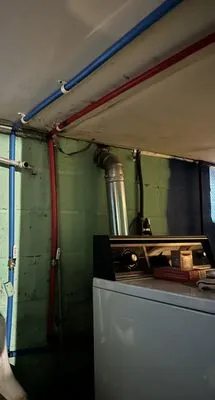
Edge Plumbing is a trusted local provider serving Toledo and surrounding Ohio communities with comprehensive residential plumbing services. Our team specializes in everything from routine maintenance ...
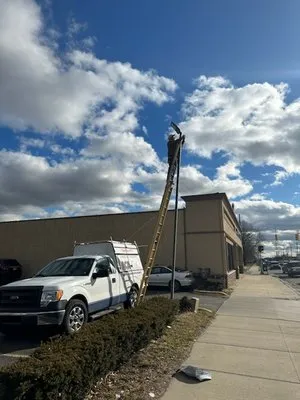
Gus The Handyman is a trusted, full-service provider for Livonia homeowners. We specialize in solving a wide range of household problems, from appliance repair to electrical work. A common local issue...
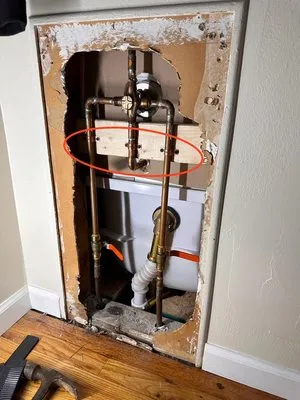
Cumming's Plumbing has been the trusted plumbing expert for Plymouth, MI, homes and businesses since 1958. As a family-owned, licensed, and insured company, we understand the specific challenges local...
Shawn's Botany and Landscaping is a Detroit-based company that combines expert landscaping with comprehensive plumbing services to address both outdoor and indoor home needs. Serving the local communi...
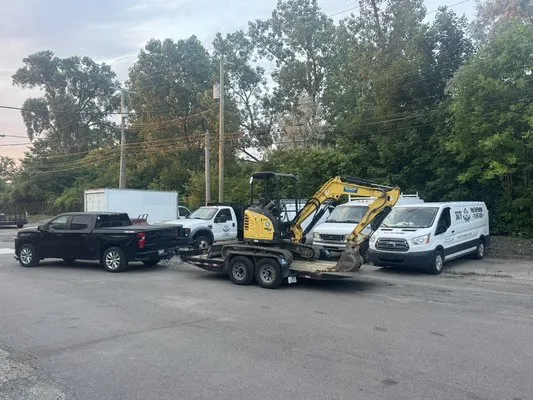
Pete The Plumber is a trusted local plumbing service in Plymouth, MI, dedicated to solving the common plumbing challenges homeowners face in our community. We specialize in addressing issues like kitc...
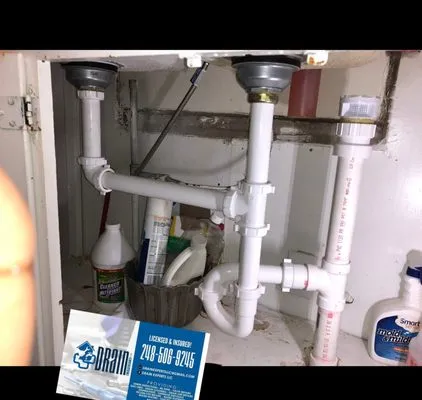
Drain Experts is a trusted, full-service plumbing company serving Westland, MI, and the surrounding communities. We provide comprehensive plumbing solutions, from emergency drain cleaning and sewer re...
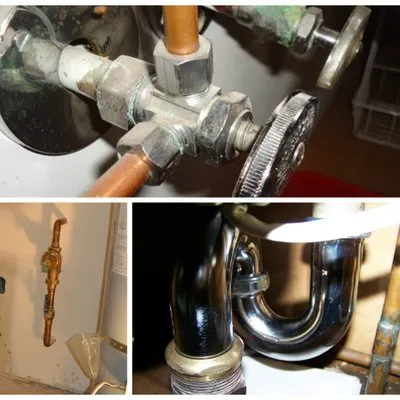
Brock's Plumbing & Sewer Cleaning
Brock's Plumbing & Sewer Cleaning is a Detroit-based plumbing company that has been serving homeowners and businesses since 2003. Founded by a licensed and insured plumber with experience from a natio...
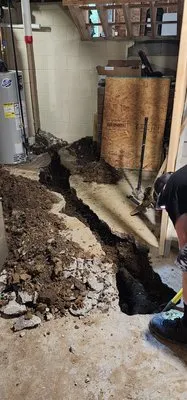
Pete The Plumber has been serving Detroit and Southeast Michigan since 1999, bringing over 25 years of plumbing expertise to both residential and commercial settings. Our team consists exclusively of ...

Brock Mechanical Plumbing Contractor
Brock Mechanical Plumbing Contractor, based in Howell, MI, is a licensed plumbing business founded in 2016 by Master Plumber Douglas J. Brock Jr. With over 20 years of industry experience, Doug leads ...
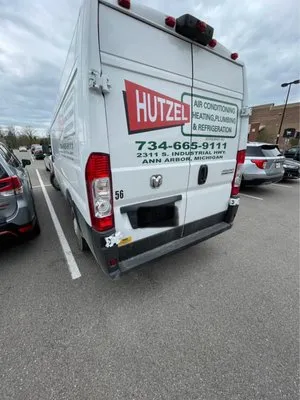
Hutzel Plumbing & Heating Company
For over 160 years, Hutzel Plumbing & Heating Company has been the trusted local choice for Ann Arbor residents and businesses. As a locally owned and operated company, we take pride in our all-union ...
Estimated Plumbing Costs in Dexter, MI
Questions and Answers
Could my home's hillside location cause drainage issues?
Hilly terrain around Dexter-Huron Metropark creates drainage challenges that stress main sewer lines. The slope can cause soil erosion around pipe bedding, leading to misalignment or cracks. Downspouts should direct water away from the foundation, and French drains may be needed to manage runoff on steep properties.
What should I do before spring thaw to prevent plumbing problems?
Insulate exposed pipes in crawl spaces and garages before temperatures drop to 17°F. Disconnect garden hoses and shut off exterior water valves before the first hard freeze. Keep cabinet doors open during cold snaps to allow warm air to circulate around pipes. These simple steps prevent frozen pipes that burst during spring thaw.
As a Dexter homeowner, what should I know about my municipal water system?
Dexter's municipal water pressure typically ranges 40-60 PSI, which is standard for suburban systems. Tree roots seeking moisture can infiltrate older lateral lines, especially near mature trees. Backflow prevention devices are required for irrigation systems to protect the public water supply from contamination.
Does Dexter's hard water damage my water heater?
Hard water from the Huron River causes scale buildup that reduces water heater efficiency by 20-30% over 5-7 years. The minerals accumulate on heating elements and tank interiors, forcing the system to work harder. Flushing your water heater annually and installing a whole-house water softener can extend its lifespan significantly.
What's causing these small leaks in my copper pipes?
Copper pipes from 1998 are experiencing pinhole leaks due to electrolysis and scale buildup. The dielectric unions between copper and other metals can fail after 25+ years, creating corrosion points. Joint calcification from hard water minerals makes older connections brittle and prone to cracking under pressure changes.
How quickly can a plumber reach my Dexter home in an emergency?
Heading past Dexter-Huron Metropark on I-94 gets me to most Dexter addresses within 25-35 minutes. I keep my truck stocked with common copper fittings and emergency repair materials. Knowing the back roads around the Huron River helps when main routes are congested during peak hours.
Who handles permits for plumbing work in Dexter Township?
I coordinate directly with the Dexter Township Building Department for all required permits. My Michigan Department of Licensing and Regulatory Affairs credentials ensure work meets state plumbing code. Handling this red tape means homeowners avoid fines and ensure their plumbing upgrades are properly documented for future sales.
My Dexter home was built around 1998 - should I be worried about my plumbing?
Copper pipes installed in 1998 are now 28 years old. Homeowners in Downtown Dexter are starting to see pinhole leaks and joint calcification as the pipes reach this age. The natural wear from decades of hard water and temperature fluctuations causes thinning in certain sections. Regular inspections can catch these issues before they become major water damage problems.
