Top Emergency Plumbers in Denver, MI, 49349 | Compare & Call

There are 50 plumbing companies server in Denver MI
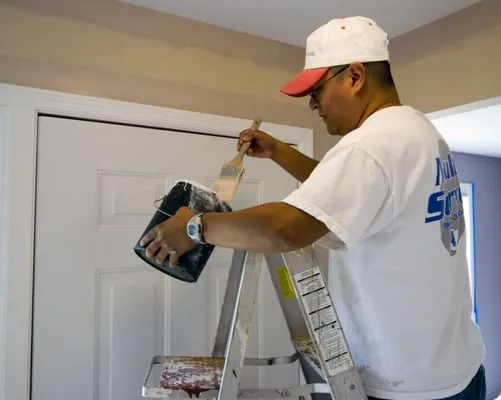
Multi Serve Restoration & Repair
Multi Serve Restoration & Repair is a Grand Rapids-based contractor with deep roots in Michigan, having served the community since 1997. We started by providing essential residential and commercial co...
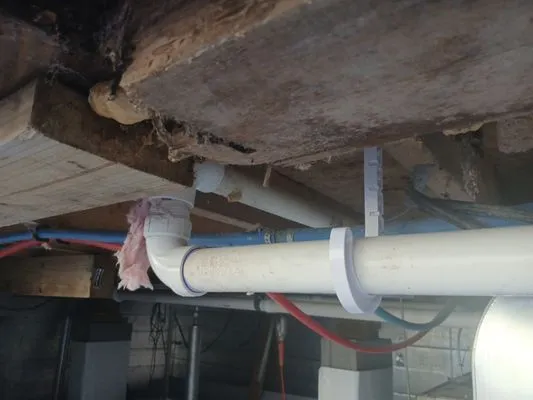
Lakeshore Plumbing & Heating is a trusted local plumbing service based in Shelby, MI, dedicated to helping homeowners maintain safe and efficient plumbing systems. We specialize in thorough plumbing i...

Sump Pump Pros is your trusted, local plumbing expert serving Lowell, MI. We specialize in a full range of residential plumbing services, from routine faucet repairs and garbage disposal installations...

Mid-State Sewer Service is a licensed and established plumbing resource for Freeland residents and businesses. Since 2019, we've provided reliable drain and sewer solutions, from routine maintenance t...
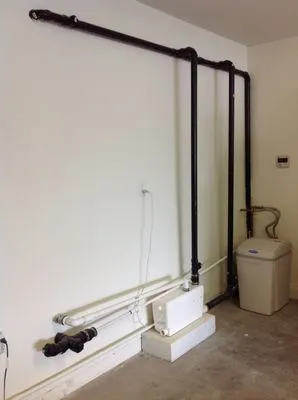
Mike's Handyman Services is a Bay City-owned and operated business, founded by Mike, a Navy veteran and journeyman plumber. His service in the Navy instilled a strong sense of discipline and integrity...

R&D Solutions is a trusted plumbing service provider in Saginaw, MI, specializing in comprehensive solutions for residential plumbing needs. We address common local issues like lead pipe concerns and ...
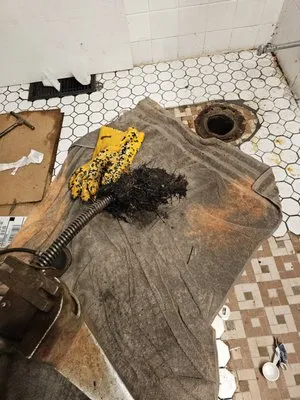
Tri-City Rooter is your trusted, local plumbing partner serving Midland and the surrounding communities. We provide a comprehensive range of plumbing services, from routine drain repair and toilet ins...
Bentley Plumbing is a family-owned plumbing service in Reed City, MI, with over 20 years of combined experience. Founded by a Master Plumber who now works alongside his two sons as apprentices, we bri...
LJA Home Improvements is your trusted, local partner for a wide range of home services in Freeland and the surrounding area. We are a skilled, honest, and reliable team offering roofing, plumbing, flo...
Goddeyne Plumbing & Heating
Goddeyne Plumbing & Heating is a third-generation, family-owned business proudly serving Bay City and the Tri-Cities area for nearly 75 years. Founded in 1965, we have built our reputation on reliable...
Estimated Plumbing Costs in Denver, MI
FAQs
Could my home's flat land be causing drainage or sewer issues?
Plain terrain around Denver Township Hall means minimal natural slope for drainage. If your property sits low, stormwater or snowmelt can pool near the foundation, stressing the main sewer line. Over time, saturated soil leads to pipe settlement or joint separation. Ensure downspouts extend at least 5 feet from the house, and consider a French drain if you notice consistent wet spots. Flat lots also make septic field inspections straightforward.
How fast can a plumber reach my house in Denver Township?
Heading past Denver Township Hall on US-31, I can typically reach most Denver addresses within 45-60 minutes. US-31 provides a direct route through the township, avoiding backroad delays. For urgent calls like burst pipes, I prioritize dispatch along this corridor. If you're off a side road, I'll call ahead for exact directions—snow or mud can add a few minutes in winter.
Who handles permits for plumbing work in Newaygo County?
The Newaygo County Building Department issues permits for major plumbing projects like repipes or septic modifications. As a licensed master plumber through the Michigan Department of Licensing and Regulatory Affairs, I handle all paperwork and inspections. Homeowners don't need to navigate red tape—I file permits, schedule inspections, and ensure work meets Michigan code. This keeps your project legal and insurable.
How does rural living in Denver affect my septic and well system?
Rural properties here rely on private wells and septic systems, which require different maintenance than municipal services. Well pumps need annual checks for pressure and sediment, while septic tanks should be pumped every 3-5 years depending on household size. Avoid chemical drain cleaners—they kill septic bacteria. Keep trees 10 feet from sewer lines to prevent root intrusion, though our sandy soil makes this less critical than in clay areas.
What should I do before spring thaw to avoid plumbing problems?
Before spring thaw peaks, disconnect garden hoses and shut off exterior faucets from inside. Thawing ground shifts pipes, and any residual water in exterior lines can freeze and crack. Insulate exposed pipes in crawl spaces or basements, as overnight lows still hit 15°F in early spring. Check your well pump's pressure switch for ice buildup—this is a common Snow Belt failure point after a cold winter.
My Denver home was built around 1981—should I worry about my plumbing?
Your copper pipes are now 45 years old. In Central Denver, homeowners with this vintage plumbing are seeing pinhole leaks develop, especially at joints and elbows. Copper naturally corrodes over decades, and the mineral content in our well water accelerates this process. You might notice small damp spots on walls or ceilings, or a gradual drop in water pressure. It's not an emergency yet for every home, but this is the age where proactive inspection prevents major water damage.
Does hard well water damage my water heater or fixtures?
Hard water causes scale buildup that shortens appliance lifespans. In water heaters, mineral deposits insulate the heating elements, forcing them to work harder and fail sooner. Fixtures like showerheads and faucets develop reduced flow from internal scaling. For private wells in Denver, installing a whole-house water softener is the most effective solution. Without one, expect to replace water heaters every 8-12 years instead of 15+.
Why do my 1980s copper pipes keep springing small leaks?
Copper pipes from the early 1980s often develop pinhole leaks due to internal corrosion and joint calcification. Over 45 years, minerals in our hard well water build up scale inside the pipes, creating weak spots that eventually perforate. The solder joints from that era can also fail as they age. This isn't a defect—it's normal wear for copper in our water conditions. Replacing affected sections with new copper or PEX usually solves it.
