Top Emergency Plumbers in Decatur, MI, 49045 | Compare & Call

There are 22 plumbing companies server in Decatur MI
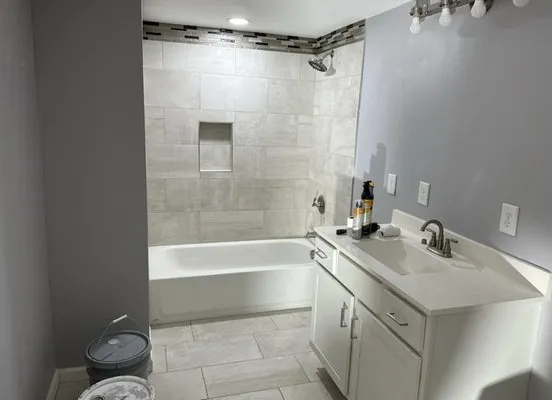
Visionary Home Improvements
Visionary Home Improvements is a trusted South Bend plumbing and home repair company founded by Tarrin, Jason, and Cal. With nearly four decades of combined experience in home repairs, property manage...
Wassink Plumbing
Founded in 2018 by licensed Plumbing Contractor Chad Wassink, Wassink Plumbing brings over 14 years of professional experience to every job in Holland and West Michigan. Chad began his career in 2005,...
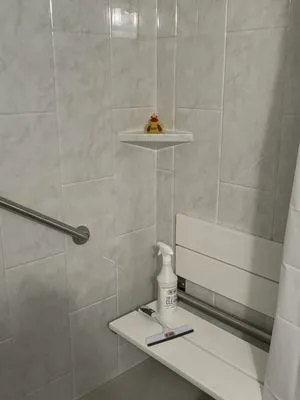
Re-Bath in Grand Rapids, MI specializes in bathroom remodeling services for local homeowners. Founded in 1979, we introduced "The Refreshing Remodel" approach, handling every aspect of bathroom update...

Whitney Services, led by master electrician Tim, has been a trusted name in Kalamazoo for plumbing, electrical, and HVAC needs. Founded on integrity and professionalism, Tim’s positive approach ensure...
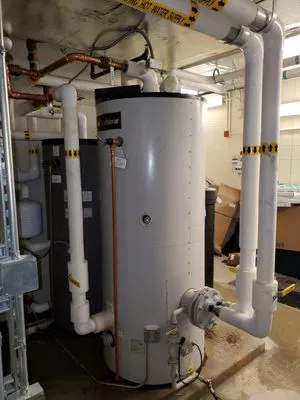
Wilcox Plumbing and Piping
Wilcox Plumbing and Piping is a locally-owned plumbing service in Scotts, MI, with nearly four decades of combined experience. Founded by two skilled plumbers who previously served top contractors acr...
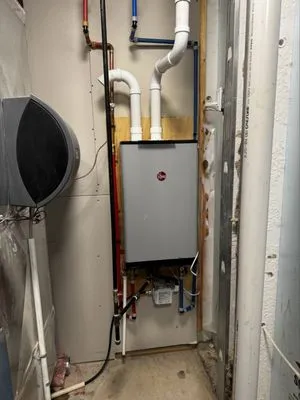
BrucePros is a family and veteran-owned plumbing business serving Kalamazoo and southwest Michigan since 1980. We specialize in comprehensive plumbing services including bathtub, faucet, sink, toilet,...

D. Wood Plumbing was founded in Kalamazoo in 2009 by Dan and Leandra Wood, continuing a family tradition that began in 1908. Dan Wood grew up in the Kalamazoo/Portage area, learning the trade from his...

R & D Etc.
R & D Etc., L.L.C. has been a trusted plumbing service in Dowagiac, MI, since 2016. Licensed, bonded, and insured, we handle everything from simple faucet repairs and drain cleaning to complete bathro...
Clarks Property ManageMint is a trusted handyman and property maintenance service based in Stevensville, MI, offering comprehensive solutions for homeowners and property managers. We specialize in app...
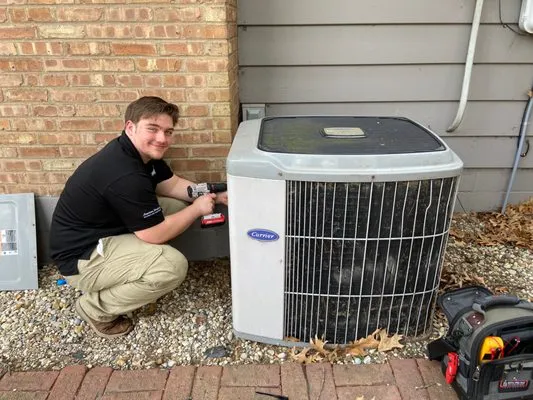
BOSS Services
BOSS Services is a Benton Harbor-based home service company founded by brothers Jerry and Jeff Street, who grew up in Southwest Michigan. With over 20 years of HVAC experience from Jerry and Jeff's 20...
Estimated Plumbing Costs in Decatur, MI
Q&A
How quickly can a plumber reach my home near Lake of the Woods?
Heading past Lake of the Woods on M-51, I can typically reach most Decatur addresses within 45-60 minutes for emergency calls. The route follows M-51 through the village center, then branches to residential areas. For non-emergency appointments, I schedule specific windows to account for rural drive times. Knowing the local roads helps minimize response time when you have water actively damaging your home.
Who handles permits for plumbing work in Van Buren County?
I coordinate directly with the Van Buren County Building Department for all required permits and inspections. My Michigan Department of Licensing and Regulatory Affairs credentials ensure work meets state code requirements for well and septic modifications, water heater replacements, and repiping projects. Handling this red tape means your project progresses without delays from paperwork errors or compliance issues that could affect your home's value or insurance coverage.
How should I prepare my plumbing for Decatur winters?
With lows hitting 17°F and spring thaw creating pressure surges, insulate exposed pipes in crawl spaces and along exterior walls. Drain and shut off outdoor spigots before first freeze. During thaw cycles, check for new leaks as expanding ice in pipes can create fractures that only reveal themselves when temperatures rise. Keeping cabinet doors open during cold snaps allows warm air to circulate around pipes under sinks.
Does hard well water damage my water heater?
Hard water from private wells causes scale buildup inside water heater tanks and on heating elements. This insulating layer reduces efficiency, increases energy costs, and can lead to premature tank failure. Fixtures develop mineral deposits that restrict flow and damage seals. Installing a whole-house water softener protects your plumbing investment, but existing scale in old pipes still requires periodic maintenance to prevent complete blockages.
Could my property's slope affect the main sewer line?
The relatively plain terrain around Lake of the Woods can create drainage issues where soil settles unevenly over time. This puts stress on main sewer lines, causing bellies or sags that collect debris and lead to backups. Heavy snow melt or prolonged rain saturates the clay-based soil, increasing hydrostatic pressure against buried pipes. Proper grading away from your foundation helps, but older lines may need inspection if you notice slow drainage or frequent clogs.
What causes those small leaks in old galvanized pipes?
Pinhole leaks develop in 73-year-old galvanized steel when corrosion eats through the pipe wall at weak points. Joint calcification also occurs where mineral deposits from decades of hard water buildup create blockages and stress fractures. These failures often start at threaded connections or where pipes contact other metals without dielectric separation. Once one pinhole appears, others typically follow as the entire system reaches end-of-life.
Why are my pipes failing now in Decatur?
Galvanized steel pipes installed around 1953 are now 73 years old. Homeowners in Decatur Village Center are seeing widespread failures as the zinc coating has completely worn away, exposing the underlying steel to corrosion. This manifests as sudden leaks in walls or ceilings, reduced water pressure throughout the house, and rust-colored water at multiple fixtures. The material's lifespan typically ends between 70-80 years, so these systems are failing predictably across the area.
Are septic and well systems different to maintain than city utilities?
Rural properties with private wells and septic systems require different maintenance than municipal water and sewer. Well pumps and pressure tanks need periodic service, while septic systems demand regular pumping every 3-5 years depending on household size. Water quality testing becomes your responsibility rather than the municipality's. These systems interconnect—a failing pressure tank can stress plumbing fixtures, and septic backups can indicate drainage field issues rather than simple clogs.
