Top Emergency Plumbers in Comstock, MI, 49041 | Compare & Call

There are 106 plumbing companies server in Comstock MI

Service Professor
Service Professor has been providing reliable electrical, plumbing, heating, and air conditioning services to West Michigan homes since 1978. Based in Grand Rapids, our team of over 20 professional te...

Sullivan Heating Cooling Plumbing
Sullivan Heating Cooling Plumbing is a trusted, full-service provider for Kentwood, MI, homes and businesses. We specialize in expert HVAC and plumbing solutions, from system installations and repairs...
Advantage Plumbing & Drain
Founded in 2004 by licensed Master Plumber Ryan, Advantage Plumbing & Drain serves Hastings, MI, with comprehensive residential and commercial plumbing solutions. As a certified plumbing contractor an...
Re-Bath in Grand Rapids, MI specializes in bathroom remodeling services for local homeowners. Founded in 1979, we introduced "The Refreshing Remodel" approach, handling every aspect of bathroom update...
Whitney Services, led by master electrician Tim, has been a trusted name in Kalamazoo for plumbing, electrical, and HVAC needs. Founded on integrity and professionalism, Tim’s positive approach ensure...
East End Plumbing is a trusted local plumbing company serving Kentwood and the surrounding communities. We specialize in a wide range of residential plumbing services, from emergency repairs to full i...
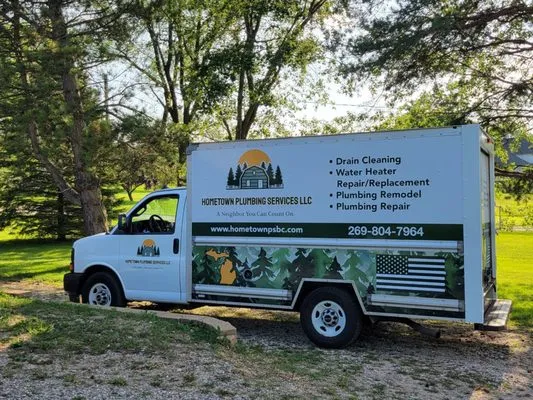
Hometown Plumbing Services
Hometown Plumbing Services, LLC is a family-owned business deeply rooted in Barry County, where we've lived virtually our whole lives. My wife and I started this company not just to build a better lif...

LDA Construction is a trusted, full-service handyman and contracting company serving Nashville, MI, and the surrounding Barry County area. We understand that local homeowners frequently face urgent pl...
Mid State Plumbing & Contracting
Mid State Plumbing & Contracting is a trusted plumbing service in Middleville, MI, owned and operated by master plumber Jim Bluhm. We provide comprehensive plumbing solutions for both residential and ...
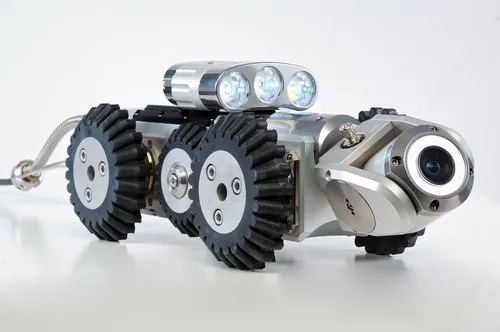
Elite Pipeline Services
Elite Pipeline Services is a family-run business established in Allendale, MI, in 2005. We specialize in trenchless sewer repair and pipeline rehabilitation, offering residents and businesses a way to...
Estimated Plumbing Costs in Comstock, MI
FAQs
We're on city water in a suburban neighborhood. What usually causes sewer line clogs here?
In suburban settings like ours, the most common culprit is tree root intrusion into the service lateral—the pipe running from your house to the municipal main. Roots seek moisture and can infiltrate through small pipe joints, eventually causing complete blockages. Regular camera inspections can identify root growth before it leads to a backup in your basement.
Our house was built in the early 90s, and we're starting to see weird leaks. Is this a known issue for homes in Comstock?
Copper pipe installed around 1992 is now 34 years old. This is the lifecycle stage where pinhole leaks become common, especially in houses throughout Comstock Village. The internal wall of the pipe has thinned from decades of water flow and mineral interaction. Homeowners often first notice a small, persistent damp spot on a basement wall or ceiling, which indicates the corrosion has breached the pipe wall.
Why does my copper plumbing from the 90s keep springing pinhole leaks?
Copper pipe from that era can suffer from a form of localized corrosion. Over 30-plus years, the protective inner lining breaks down, allowing our area's hard water to aggressively pit the metal. This creates weak spots that eventually perforate, leading to those frustrating pinhole leaks, often behind walls or in ceilings where they cause damage before being detected.
Do I need a permit to replace my water heater, and how does that work?
Yes, Comstock Township Building Department requires a permit for water heater replacement. As a licensed Master Plumber, I handle that red tape, including scheduling the inspection, so you don't have to. My credentials with the Michigan Department of Licensing and Regulatory Affairs ensure the work meets all state and local codes, protecting your home's value and safety.
Could the flat land around here be causing my slow drains or sewer backups?
The relatively plain terrain around Comstock Township Park can complicate drainage. Without a strong natural slope, waste lines depend more on precise installation grade. Over decades, ground settling or soil shift can create low spots in the main sewer line where debris collects, leading to recurrent clogs and reduced flow that stresses the entire system.
What's the most important thing to do with my plumbing before the spring thaw?
Before nightly lows consistently drop below 18°F, disconnect and drain all outdoor hoses. Water left in the hose bib can freeze and crack the pipe inside your wall. This is a critical pro-tip for our Snow Belt climate, as the freeze-thaw cycle is the leading cause of exterior plumbing failures every spring.
How fast can a plumber get to my house during a flood emergency in Comstock?
From my shop, the dispatch route heads past Comstock Township Park to catch I-94. That corridor provides a direct 20 to 30 minute run to most addresses in the township, barring major traffic or a winter storm. Knowing these routes lets us plan for the quickest response when you call with a burst pipe or a failed water heater.
Does the hard water from the Kalamazoo River ruin appliances?
Yes, the mineral content leads to scale buildup. Inside a water heater, this sediment acts as an insulator, forcing the unit to work harder and fail sooner. On fixtures and showerheads, it restricts flow and clogs aerators. Installing a whole-house water softener is the most effective defense to protect your water heater, dishwasher, and plumbing from this accelerated wear.
