Top Emergency Plumbers in Coe, MI, 48880 | Compare & Call

There are 240 plumbing companies server in Coe MI
WaterWork Plumbing has been serving Ferndale and Metro Detroit since 2006, founded by licensed Master Plumber David Greylen. Starting with a single truck, the company has grown into a team of over twe...

Pypes Plumbing has served Detroit and Oakland County for years, providing reliable plumbing solutions with a focus on lasting quality. Our team handles everything from routine repairs to complex insta...

TNT Plumbing is a licensed plumbing company serving Detroit and surrounding communities since 1985. With over 20 years of experience, we provide reliable plumbing services for both residential and com...
A Absolute Plumbing & Sewer Service has been the trusted, family-owned plumbing company for Clinton Twp homeowners since 1990. We specialize in residential plumbing repair and replacement, offering cl...
Mr. Pipey Plumbing is a Detroit-based plumbing service that specializes in resolving drain and sewer problems with effective methods. Our team uses snaking to clear blockages, hydrojetting to clean pi...
QMB GROUP is a Detroit plumbing company founded on a legacy of service and skill. Owner Mike's career began right after high school when he trained as a plumber in the U.S. Navy. After his honorable s...
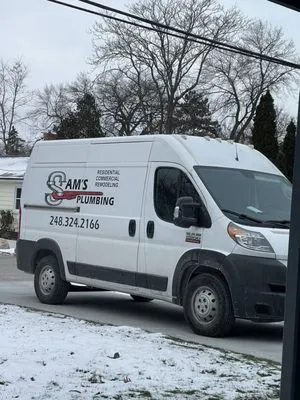
Sam's Plumbing is a second-generation, family-owned plumbing company serving West Bloomfield, MI, since 1985. With over 30 years of experience, we provide comprehensive plumbing services for both resi...
Main Drain Service is a family-owned plumbing company serving Columbiaville, MI, with over a decade of experience in drain maintenance across metro Detroit. Founded by a lifelong handyman and former p...
Nelson Bros. Sewer & Plumbing
Nelson Bros. Sewer & Plumbing is a fourth-generation, family-owned business proudly serving Royal Oak and Southeastern Michigan since 1925. Founded by two Danish brothers with a commitment to quality ...
A1 Bargain Plumbing
Since 1988, A1 Bargain Plumbing has been a trusted family-owned name in Taylor and across Southeast Michigan. As the owner and a licensed Master Plumber and Plumbing Contractor, I am personally involv...
Estimated Plumbing Costs in Coe, MI
Questions and Answers
What permits are needed for a water heater or septic repair in Isabella County?
Most plumbing work, especially involving water heaters or septic systems, requires permits from the Isabella County Community Development Department. As a Master Plumber licensed by the Michigan Department of Licensing and Regulatory Affairs, I handle that red tape for you. I pull the necessary permits, schedule and pass all required inspections, and ensure the work meets current Michigan plumbing code. This protects your home's value and ensures the system is safe and properly documented.
How long will it take for a plumber to get to my house in Coe?
From the shop, my dispatch route typically involves heading past the Isabella County Fairgrounds to access US-127 northbound into the township. With clear roads, that puts me at most Coe addresses within 45 to 60 minutes of your call. I plan for this transit time when you schedule a service, ensuring I have the right parts and diagnostic tools on the truck to complete the job efficiently once I arrive.
What's the most important plumbing maintenance for a Coe winter?
The key is acting before the deep cold hits. A specific pro-tip for our temperate climate is to disconnect and drain your garden hoses by late October and shut off the interior valve to your outdoor faucets. When temperatures drop to our average low of around 14°F, any residual water in that line can freeze and burst the pipe inside your wall. This simple, five-minute task prevents one of the most common and costly spring thaw emergencies.
Why are my 1980s copper pipes suddenly leaking?
Copper pipes installed in 1982 are prone to specific failures at this stage. The most common is pinhole leaks caused by internal corrosion from your well water's mineral content, which wears thin spots in the pipe wall. Another issue is joint calcification, where mineral scale from hard water builds up at solder joints, creating stress points that can crack. These failures aren't random; they're predictable based on the pipe's age and our local water conditions.
Are there special plumbing considerations for a rural home with a well and septic?
Absolutely. Your entire water and waste system is self-contained. A failing pressure tank or well pump directly affects your home's water pressure and availability. On the septic side, what goes down your drain impacts the tank's bacterial balance; harsh chemicals or non-biodegradable materials can cause backups into the house. Maintenance for a rural system is proactive—monitoring well equipment performance and having the septic tank pumped on a regular schedule are critical.
Does hard water from my private well damage my plumbing fixtures?
Yes, the scale buildup from hard well water is a constant issue here. It acts like a slow-moving clog, accumulating inside fixtures, water heater tanks, and appliances. Over years, this reduces water pressure at your faucets and significantly shortens the life of your water heater by insulating its heating elements, forcing them to work harder. You'll often notice the white, crusty deposits on showerheads and faucet aerators first.
Could the flat land here cause plumbing drainage problems?
The plain terrain around areas like the Isabella County Fairgrounds means there's very little natural slope for drainage. For your home, this can put static pressure on your main sewer line exiting the house, as effluent has to be pushed rather than relying on gravity. Over time, this can lead to slow drains and increased stress on pipe joints. It also means yard saturation during the spring thaw can shift soil and potentially stress underground water service lines.
My copper pipes are from when the house was built in 1982. What kind of problems should I expect now?
Your copper plumbing is 44 years old as of 2026, which is a typical lifespan for this material. Homeowners in the Coe Township Center area are now seeing a rise in pinhole leaks, often first appearing in hot water lines or at soldered joints. This is due to decades of water chemistry from your private well interacting with the metal, a process that accelerates with age. These leaks frequently start small, manifesting as green or white corrosion spots on pipe surfaces, before developing into active drips.
