Top Emergency Plumbers in Cheshire, MI, 49010 | Compare & Call

There are 62 plumbing companies server in Cheshire MI

Lakeshore Plumbing & Mechanical is your trusted local plumbing and sewer specialist serving Cato, WI, and the surrounding communities. We understand the unique plumbing challenges faced by homeowners ...

Cascade Plumbing is a family-owned Grand Rapids plumbing company with over 25 years of dedicated service to Cascade and the wider Kent County area. Founded by Jon, a proud local father and community m...

Grapids Home Services
For over two decades, Grapids Home Services has been a trusted name in Grand Rapids, founded by Nathan Engelsma in 1999. With Nate's extensive experience and a team of NATE and Nexstar certified techn...
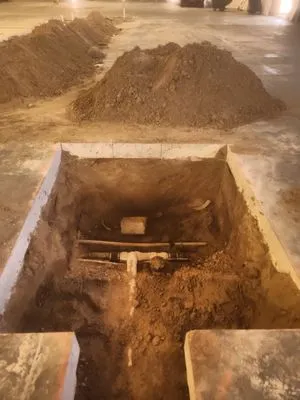
VerBurg Plumbing Service, based in Allegan, MI, is a full-service plumbing company owned and operated by a master plumber with over 34 years of experience. We provide reliable solutions for residentia...

All-Flo Plumbing is a trusted, family-owned plumbing company that has been reliably serving the Grand Rapids community since 1993. Our licensed technicians provide a full spectrum of services, from ro...

Sullivan Heating Cooling Plumbing
Sullivan Heating Cooling Plumbing is a trusted, full-service provider for Kentwood, MI, homes and businesses. We specialize in expert HVAC and plumbing solutions, from system installations and repairs...

Mr. Rooter Plumbing of Grand Rapids
Mr. Rooter Plumbing of Grand Rapids is a locally owned and operated plumbing service dedicated to serving Grand Rapids, MI, and surrounding communities. As part of the Mr. Rooter network, which has ov...
Great Lakes Plumbing Services LLC, also known as The Plumber Is Here, is a trusted family-owned plumbing company serving Holland, MI, and the greater West Michigan area since 2000. Founded by local re...
Heyboer Plumbing is a trusted, locally-owned plumbing service in Rockford, MI, dedicated to keeping homes and businesses running smoothly. We specialize in comprehensive plumbing solutions including d...

Moore Mechanical
Since 1996, Moore Mechanical has been a trusted, licensed provider of HVAC and plumbing services for Grand Rapids homes and businesses. Our experienced, certified technicians are committed to ensuring...
Estimated Plumbing Costs in Cheshire, MI
Question Answers
What permits are needed for a plumbing repair or remodel in Allegan County?
Most substantial plumbing work in Cheshire requires a permit from the Allegan County Building Department. As a licensed Master Plumber through the Michigan Department of Licensing and Regulatory Affairs, I handle pulling those permits and scheduling all required inspections. My credentials ensure the work meets state code, and I manage the red tape so you don't have to navigate the bureaucracy yourself.
Are there special plumbing considerations for a rural home in Cheshire?
Rural plumbing revolves around your private well and septic system. These systems are interdependent; a constantly running toilet or a leak can overload your septic drain field. Well pump and pressure tank maintenance is also key, as a failing pump means no water at all. Unlike a city connection, you're responsible for the entire system from the aquifer to the drain field, so regular servicing is vital.
Does having a private well in Cheshire affect my plumbing appliances?
Yes, private wells typically deliver unsoftened, hard water directly into your home. This mineral-rich water causes significant scale buildup inside water heaters, reducing efficiency and lifespan. You'll also notice reduced flow and premature wear on faucet cartridges and shower valves. Installing and maintaining a whole-house water softener is not a luxury here; it's essential protection for your plumbing investment.
Could the flat land around Cheshire cause plumbing issues?
The plain terrain here affects drainage. During heavy rain or the spring thaw, saturated ground around foundations, like near the Township Hall area, can put hydrostatic pressure on basement walls and floor slabs. This can shift your main water line entering the home, stressing the connection and potentially causing a leak. Proper grading away from the foundation is crucial to mitigate this constant stress.
How long does it take for a plumber to get to a house in Cheshire?
From my shop, the dispatch route to most Cheshire homes involves heading past Cheshire Township Hall on M-40. Given the rural roads and distance, you can expect a 45 to 60 minute response for a non-emergency call. For urgent situations like a major leak, I prioritize direct routing to minimize water damage, but travel time remains a factor in our planning.
My copper pipes in Cheshire were installed in 1981. What problems should I expect?
Your copper plumbing is 45 years old, a critical lifespan point. Homeowners in Cheshire Corners are now frequently seeing pinhole leaks, especially in hot water lines where years of hard water have thinned the interior walls. This corrosion is often hidden behind walls or under slabs, revealing itself as unexplained water stains or a sudden drop in pressure. A proactive inspection can locate weak spots before a full breach occurs.
Why are my 1980s copper pipes suddenly leaking?
Copper pipes from this era are failing due to a combination of age and electrolytic corrosion. The solder used at the joints has often degraded, and scale buildup from decades of hard water creates a corrosive environment inside the pipe. This leads to pinhole leaks, which typically start as a small drip but can rapidly erode into a larger rupture, especially under constant water pressure.
What should I do to prepare my plumbing for a Cheshire winter?
Our Snow Belt winters, with lows around 15°F, demand specific action. Before the deep freeze, disconnect and drain all garden hoses and shut off the interior valve to outdoor faucets. The most critical pro-tip is to know the location of your main water shut-off valve. If a pipe bursts during a thaw, shutting the water off immediately is the only way to prevent catastrophic damage to your home.
