Top Emergency Plumbers in Cassopolis, MI, 49031 | Compare & Call

There are 27 plumbing companies server in Cassopolis MI

Church Plumbing & Heating
Church Plumbing & Heating has been a trusted name in Northern Indiana and Southwest Michigan since Mike and Mary Church founded it in 1984. Now managed by their son Michael, who joined the business fu...
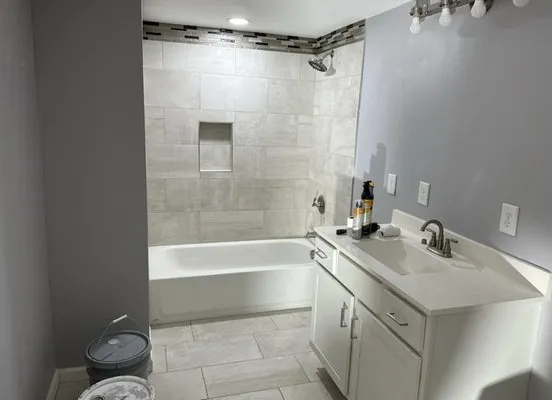
Visionary Home Improvements
Visionary Home Improvements is a trusted South Bend plumbing and home repair company founded by Tarrin, Jason, and Cal. With nearly four decades of combined experience in home repairs, property manage...

Henry Smith Plumbing, Heating & Cooling
For over 60 years, Henry Smith Plumbing, Heating & Cooling has been the trusted name for Elkhart homeowners. Founded by Henry Smith in 1952, this family-owned and operated company has built its reputa...
Easy Clean Sewer & Drain Service is Elkhart's trusted provider for residential and commercial plumbing inspections, specializing in the local issues of septic tank overflow and pipe joint leaks. We un...
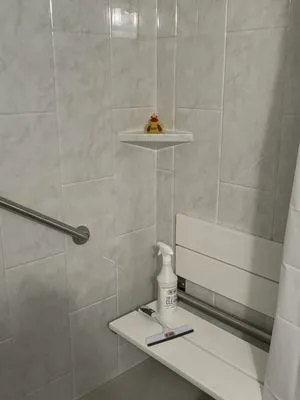
Re-Bath in Grand Rapids, MI specializes in bathroom remodeling services for local homeowners. Founded in 1979, we introduced "The Refreshing Remodel" approach, handling every aspect of bathroom update...
Whitney Services, led by master electrician Tim, has been a trusted name in Kalamazoo for plumbing, electrical, and HVAC needs. Founded on integrity and professionalism, Tim’s positive approach ensure...
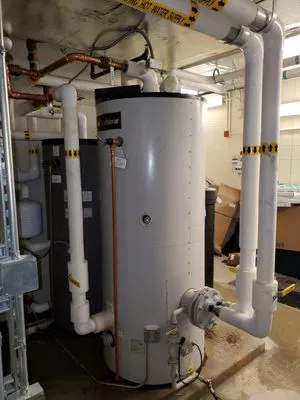
Wilcox Plumbing and Piping
Wilcox Plumbing and Piping is a locally-owned plumbing service in Scotts, MI, with nearly four decades of combined experience. Founded by two skilled plumbers who previously served top contractors acr...
BrucePros is a family and veteran-owned plumbing business serving Kalamazoo and southwest Michigan since 1980. We specialize in comprehensive plumbing services including bathtub, faucet, sink, toilet,...
R & D Etc.
R & D Etc., L.L.C. has been a trusted plumbing service in Dowagiac, MI, since 2016. Licensed, bonded, and insured, we handle everything from simple faucet repairs and drain cleaning to complete bathro...

Clarks Property ManageMint is a trusted handyman and property maintenance service based in Stevensville, MI, offering comprehensive solutions for homeowners and property managers. We specialize in app...
Estimated Plumbing Costs in Cassopolis, MI
FAQs
How quickly can a plumber reach my home near Stone Lake?
Heading past Stone Lake on M-62 toward Downtown Cassopolis takes about 45-60 minutes from dispatch. This route covers the main corridor connecting lake properties to town, with response times factoring in rural road conditions and seasonal weather. We plan for this transit window to ensure reliable service across the area.
Who handles permits for plumbing work in Cass County?
The Cass County Building Department issues permits for plumbing installations and major repairs. As a licensed master plumber through the Michigan Department of Licensing and Regulatory Affairs, I manage all required paperwork and inspections. This ensures work meets current codes while homeowners avoid bureaucratic delays. Local regulations account for factors like soil conditions and water table levels near Stone Lake.
My Cassopolis home was built around 1954. What should I expect from the plumbing now?
Galvanized steel pipes installed in 1954 are now 72 years old. Homeowners in Downtown Cassopolis often see reduced water pressure, rust-colored water, and frequent leaks at threaded joints. The interior walls of these pipes corrode and accumulate mineral deposits over decades, narrowing the flow path. This gradual deterioration typically becomes noticeable around the 60-70 year mark, which is where many local systems are today.
How does the hilly land around Stone Lake affect my drainage?
Hilly terrain near Stone Lake creates gravitational stress on main sewer lines and drainage systems. Downward slopes can cause pipe joints to separate over time, while uphill sections may accumulate debris and slow drainage. Soil erosion from slopes also exposes buried lines to freezing or physical damage. Proper grading and periodic camera inspections help identify these issues early.
As a rural homeowner, what unique plumbing issues should I watch for?
Rural properties often have private wells and septic systems that require specific maintenance. Well pumps and pressure tanks need regular checks for sediment buildup from hard water. Septic systems should be inspected every 3-5 years, especially with older drain fields. Unlike municipal systems, these components are entirely the homeowner's responsibility to maintain.
What should I do before spring thaw to avoid plumbing problems?
Before spring thaw, disconnect garden hoses and shut off exterior water valves. Insulate exposed pipes in crawl spaces or basements, as temperatures can drop to 15°F during winter nights. Check for cracks in foundation walls where melting snow might seep in. These steps prevent frozen pipe bursts and water damage common in Snow Belt climates.
Why do my old pipes keep springing pinhole leaks?
Galvanized steel pipes from the 1950s develop pinhole leaks due to internal corrosion and joint calcification. The zinc coating wears away over time, exposing the underlying steel to water and minerals. This creates weak spots that eventually perforate, especially at fittings where dissimilar metals meet. These failures are predictable at this age and require either targeted repairs or full replacement.
Does Stone Lake's hard water damage my water heater?
Hard water from Stone Lake causes scale buildup inside water heaters and fixtures. Minerals like calcium and magnesium precipitate out when heated, forming insulating deposits on heating elements and tank interiors. This reduces efficiency, increases energy costs, and shortens appliance lifespan. Annual flushing and anode rod inspection can mitigate these effects in our area.
