Top Emergency Plumbers in Casco, MI, 48064 | Compare & Call

There are 28 plumbing companies server in Casco MI
Mr. Rooter Plumbing of Detroit
Mr. Rooter Plumbing of Detroit is a locally owned and operated plumbing service proudly serving Macomb, MI, and the surrounding Detroit area. Owner Mike, a dedicated service business enthusiast with m...

Clear Flow Drain Cleaning is a family-owned plumbing service based in Sterling Heights, MI, dedicated to providing reliable solutions for local homeowners. With 24/7 emergency availability, our experi...

NWT Services is a family-owned electrical and home improvement company serving Eastpointe, MI, and surrounding areas. Founded by Nick, who discovered his passion for skilled trades through a high scho...
Drain Hero Plumbing provides fast, reliable, and affordable plumbing services for the Fraser community. We specialize in drain cleaning, repair, and replacement, as well as hydro jetting and camera in...
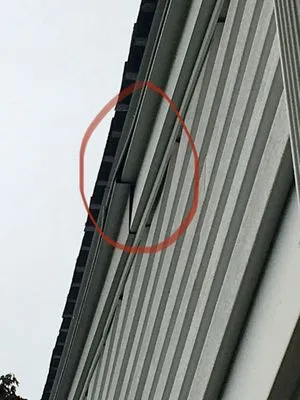
SAS Services in Warren, MI is a licensed and bonded waterproofing and repair company with over 25 years of experience serving homeowners across Macomb County and the greater metro Detroit area. They s...
Home Maintenance Solutions is a family-owned and operated business serving Macomb, MI, with over 30 years of hands-on experience in home maintenance and construction. Founded on traditional values whe...
Since 1942, EMS Plumbing & Heating has been a trusted fixture in Washington, MI, and across Southeastern Michigan. This family-owned business, now operated by owner Charley Thom since 1998, builds on ...
America’s Choice Sewer and Drain has been serving Emmett and the surrounding communities as a trusted local plumbing provider. We specialize in comprehensive solutions for both homes and businesses, f...
Hello, I'm Aneer Sulaiman, owner of Sulaiman GC in Sterling Heights. With many years of experience handling both small and large projects, I provide a comprehensive range of construction services for ...
Cicotte Plumbing & Drain
Cicotte Plumbing & Drain is a trusted, family-owned plumbing service proudly serving Clinton Township and the broader Southeast Michigan community for over three decades. With deep roots in Wayne, Oak...
Estimated Plumbing Costs in Casco, MI
Frequently Asked Questions
What does a pinhole leak in a copper pipe mean, and is it common here?
Pinhole leaks are a signature failure for copper pipes from the late 70s, especially in our soil conditions. A small spot of the pipe wall corrodes through, creating a fine, high-pressure spray. It often happens behind walls or under slabs. The cause is usually localized corrosion from the mineral content in our ground, and it signals the pipe section is compromised and will likely continue to fail.
How quickly can a plumber get to me in Casco if I have a leak?
Heading past the St. Clair River on I-94 is the main artery for service calls in the area. From my shop, that route typically puts me at your door in 45 to 60 minutes for an emergency. Traffic is usually light, but I factor in time to collect specific parts for older homes, as stopping at a supplier mid-route can add to the clock for a proper repair.
Do I need a permit from Casco Township to replace my water heater?
Yes, most water heater installations require a permit from the Casco Township Building Department. As a licensed master plumber through the Michigan Department of Licensing and Regulatory Affairs, I pull that permit, schedule the inspection, and ensure the work meets all current code. My credential means I handle that red tape so you don't have to navigate it yourself.
Why are houses in Casco suddenly having so many copper pipe problems?
Homes here were largely plumbed with copper around 1978. That material is now 48 years old in 2026, which is the tail end of its expected service life. In Casco Township Center, we're seeing a wave of failures where the pipe walls have simply worn thin from decades of water flow and chemical reactions in the soil. It's not a coincidence; it's the predictable lifecycle of the infrastructure installed during that building period.
What's the most important spring plumbing maintenance for Michigan's freeze-thaw cycles?
Before the spring thaw hits its peak, disconnect any garden hoses and ensure your exterior hose bibs are fully drained. A hose left connected traps water in the pipe; when nightly temps still dip near 18°F, that water freezes and can crack the bib or the pipe inside your wall. It's a simple, five-minute task that prevents a very common and costly leak.
Does having a private well with hard water damage my plumbing?
Yes, significantly. Water from private wells here is untreated and carries high mineral content. That hardness forms scale buildup inside pipes and appliances. Your water heater's elements get coated, reducing efficiency and lifespan, and fixtures like showerheads clog. Without a municipal softener, the scaling accelerates wear on all your home's water-using hardware.
Could the flat land near the St. Clair River be causing my slow drains?
Plain terrain lacks the natural slope for ideal drainage. If your main sewer line has even a minor belly or sag—a common issue over 48 years—water and waste collect there instead of flowing freely to the septic tank or municipal connection. This flat landscape means proper grading during installation was critical, and settling over decades now often reveals those flaws.
As a rural home with a well and septic, what plumbing issues should I watch for?
Your system is self-contained. Watch for two interconnected signs: a drop in water pressure from the well side or slow drains on the septic side. A failing well pump or pressure tank affects supply, while a full septic tank or compromised drain field causes backups. Unlike a city home, you're responsible for the entire water cycle, from bringing it in to sending it out.
