Top Emergency Plumbers in Bruce, MI, 48065 | Compare & Call

There are 236 plumbing companies server in Bruce MI

WaterWork Plumbing has been serving Ferndale and Metro Detroit since 2006, founded by licensed Master Plumber David Greylen. Starting with a single truck, the company has grown into a team of over twe...

Pypes Plumbing has served Detroit and Oakland County for years, providing reliable plumbing solutions with a focus on lasting quality. Our team handles everything from routine repairs to complex insta...
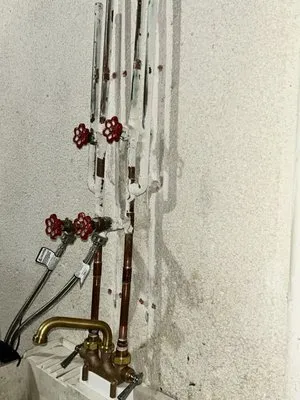
A Absolute Plumbing & Sewer Service has been the trusted, family-owned plumbing company for Clinton Twp homeowners since 1990. We specialize in residential plumbing repair and replacement, offering cl...
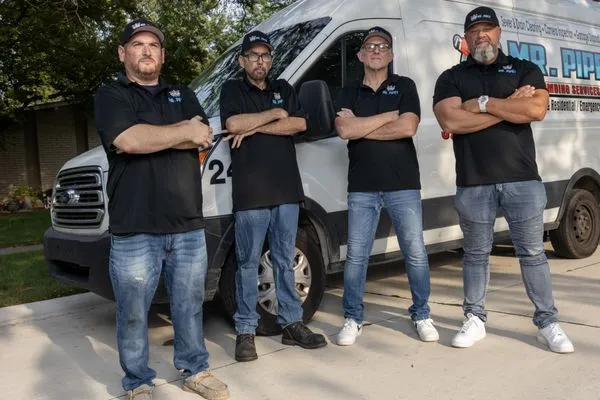
Mr. Pipey Plumbing is a Detroit-based plumbing service that specializes in resolving drain and sewer problems with effective methods. Our team uses snaking to clear blockages, hydrojetting to clean pi...
Cregger Plumbing, Heating & Cooling
Cregger Plumbing, Heating & Cooling is a third-generation family-owned business serving Ferndale and surrounding communities since 1987. Founded on deep plumbing expertise that began with the current ...
Sam's Plumbing is a second-generation, family-owned plumbing company serving West Bloomfield, MI, since 1985. With over 30 years of experience, we provide comprehensive plumbing services for both resi...
Main Drain Service is a family-owned plumbing company serving Columbiaville, MI, with over a decade of experience in drain maintenance across metro Detroit. Founded by a lifelong handyman and former p...

Founded in 2003 by Bob and Kim Kauer, Kauer & Son is a family-run plumbing and drain service based in Shelby Township. Their business was built on the personal lessons learned from restoring their own...
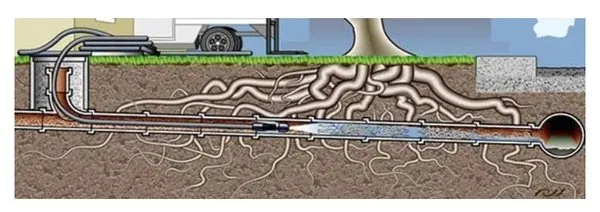
Jett It Sewer and Drain Cleaning is your local Lexington, MI, specialist for clearing stubborn blockages and maintaining your home's essential plumbing systems. We specialize in hydro-jetting, a power...
Gus The Handyman is a trusted, full-service provider for Livonia homeowners. We specialize in solving a wide range of household problems, from appliance repair to electrical work. A common local issue...
Estimated Plumbing Costs in Bruce, MI
Common Questions
How does having a private well and septic system affect my plumbing maintenance?
Private wells mean you're responsible for water quality and pressure regulation—unlike municipal systems where the city manages those variables. Septic systems require careful water usage to avoid overloading the drain field. Well pumps have a 10-15 year lifespan and need periodic pressure tank maintenance. These rural systems work together, so a plumbing issue often involves checking multiple components rather than just a single pipe or fixture.
Does hard well water damage my plumbing fixtures?
Bruce's hard water deposits mineral scale inside pipes, water heaters, and fixtures. Water heaters accumulate scale on heating elements, reducing efficiency and shortening lifespan by 3-5 years. Faucet cartridges and shower valves clog with calcium deposits, causing low flow or complete failure. Installing a whole-house water softener protects your investment and reduces maintenance frequency on all water-using appliances.
What permits or inspections are needed for plumbing work in Bruce Township?
Bruce Township Building Department requires permits for most plumbing replacements or additions, especially when modifying water supply lines or sewer connections. As a Michigan Department of Licensing and Regulatory Affairs licensed master plumber, I handle all permit applications and coordinate required inspections. This ensures your work meets current codes without you navigating bureaucratic paperwork—I manage the red tape so your project stays compliant and insurable.
How quickly can a plumber reach my home in Bruce?
Heading past Romeo Peach Festival Grounds on M-53, most local plumbers can reach Bruce homes in 45-60 minutes during normal conditions. That route provides direct access to the township, though winter weather or road work on M-53 can add time. For urgent leaks, we prioritize dispatch along this corridor, but always recommend shutting off your main valve immediately to minimize damage while waiting.
Why do my copper pipes keep springing small leaks?
Copper installed around 1973 often develops pinhole leaks due to electrolytic corrosion and scale buildup inside the pipes. The metal thins over decades until water pressure finds weak spots. Joints from that era also fail as solder degrades or fittings calcify. These aren't installation errors—they're age-related failures that require section replacement rather than patch repairs to prevent recurrence.
Could my property's flat terrain cause drainage issues with my plumbing?
The plain terrain around Romeo Peach Festival Grounds lacks natural slope for drainage, which can stress your main sewer line. Standing water from heavy rain or snowmelt saturates the soil, increasing hydrostatic pressure on underground pipes. This constant pressure accelerates joint failures and can cause basement backups if your lateral line lacks proper pitch. Ensuring downspouts direct water away from your foundation reduces this load on your plumbing system.
My Bruce home was built in the early 1970s—should I be worried about my plumbing?
Your copper pipes are now 53 years old, which puts them in the typical failure window for this material. Homeowners around Bruce Township Center are reporting pinhole leaks and joint failures as the copper thins from decades of water flow. This isn't sudden collapse, but a gradual increase in small leaks that can damage walls and floors. Regular inspections of visible pipes in basements and crawlspaces can catch issues before they become emergencies.
What should I do before spring thaw to avoid plumbing problems?
Before temperatures rise above freezing, disconnect garden hoses and drain outdoor faucets to prevent backflow into your system. Insulate pipes in unheated crawlspaces, as 15°F lows can still cause freezing even during thaw cycles. Check your main shutoff valve for easy operation—spring thaws sometimes reveal leaks that went unnoticed under snow cover. These simple steps prevent most seasonal emergencies in our snow belt climate.
