Top Emergency Plumbers in Broomfield, MI, 48858 | Compare & Call

There are 29 plumbing companies server in Broomfield MI

Cascade Plumbing is a family-owned Grand Rapids plumbing company with over 25 years of dedicated service to Cascade and the wider Kent County area. Founded by Jon, a proud local father and community m...

Heyboer Plumbing is a trusted, locally-owned plumbing service in Rockford, MI, dedicated to keeping homes and businesses running smoothly. We specialize in comprehensive plumbing solutions including d...
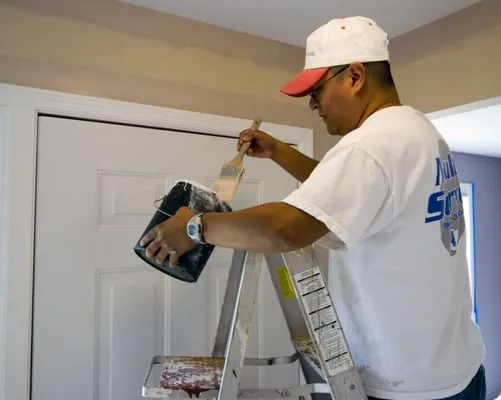
Multi Serve Restoration & Repair
Multi Serve Restoration & Repair is a Grand Rapids-based contractor with deep roots in Michigan, having served the community since 1997. We started by providing essential residential and commercial co...
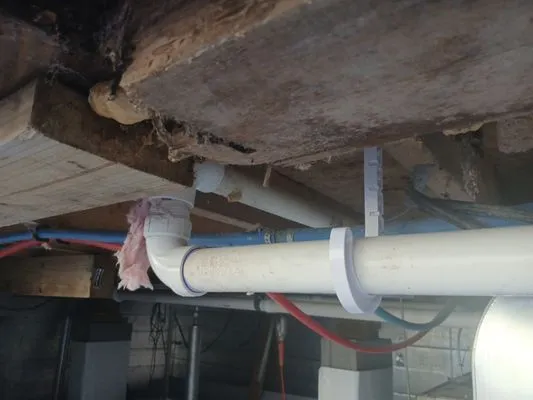
Lakeshore Plumbing & Heating is a trusted local plumbing service based in Shelby, MI, dedicated to helping homeowners maintain safe and efficient plumbing systems. We specialize in thorough plumbing i...

It's Fixed is a trusted handyman and home repair service based in Grand Rapids, MI, dedicated to solving household problems efficiently. We specialize in a wide range of services including appliance i...

Sump Pump Pros is your trusted, local plumbing expert serving Lowell, MI. We specialize in a full range of residential plumbing services, from routine faucet repairs and garbage disposal installations...
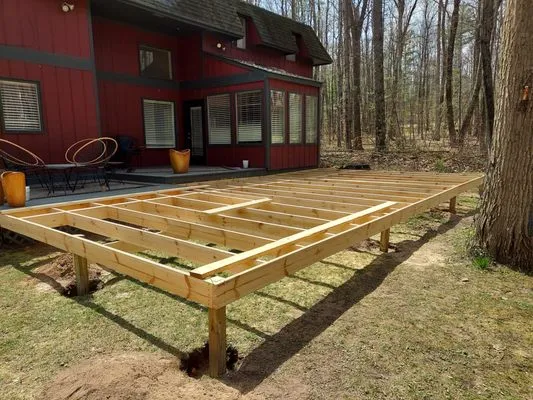
Northern Handyman Services is a trusted local provider in Big Rapids, MI, offering comprehensive home maintenance and repair solutions. We specialize in plumbing services like faucet installation, sho...
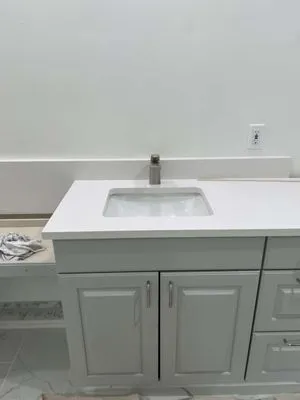
Bentley Plumbing is a family-owned plumbing service in Reed City, MI, with over 20 years of combined experience. Founded by a Master Plumber who now works alongside his two sons as apprentices, we bri...

Tony D's Drain and Septic Cleaning is a trusted local plumbing service in Muskegon, MI, specializing in resolving common household plumbing problems that many area residents face. With expertise in dr...
Fancy Property Management is a locally owned and operated business in Belding, MI, dedicated to helping homeowners maintain and improve their properties. As a local resident, I understand the unique c...
Estimated Plumbing Costs in Broomfield, MI
FAQs
Does hard well water damage my water heater?
Yes, the scale from hard water acts as an insulator. In your electric water heater, scale buildup on the lower heating element causes it to overheat and fail prematurely. For gas units, scale settles at the bottom of the tank, trapping heat and eventually cracking the glass lining. Draining a few gallons from the tank's drain valve every three months helps remove some sediment and prolong its life.
Do I need a permit to replace my water heater in Isabella County?
Yes, Isabella County Community Development requires a permit for water heater replacement. As a Master Plumber licensed by the Michigan Department of Licensing and Regulatory Affairs, I pull that permit, schedule the required inspections, and ensure the installation meets all current code. My credentials mean I handle that red tape so you don't have to navigate it yourself.
Are plumbing issues different out here in the country compared to in town?
Absolutely. Rural plumbing here revolves around your private well and septic system, not city water and sewer. Pressure is controlled by your well pump and pressure tank, not a municipal supply. A sudden loss of pressure usually points to a pump or tank issue, not a main break down the street. Septic system health is also a major part of the home's overall plumbing function.
What's the most important thing to do before the spring thaw in Broomfield?
Before the thaw hits, shut off and drain any exterior faucets you might have missed in the fall. The repeated freeze-thaw cycles in our Snow Belt climate can push ice further into piping. A pro-tip is to also check the crawl space or basement for drafts that could freeze a pipe run near an exterior wall. A small gap in the insulation is all it takes for a 12-degree night to cause a split.
How long do copper pipes last in a Broomfield home built in the 1980s?
Copper pipes in homes built around 1984 are now 42 years old. In Broomfield Township Center, homeowners often report a sudden increase in pinhole leaks, especially at soldered joints that have endured decades of hard water. The metal thins over time, and what was a reliable system can start showing its age all at once. This isn't a flaw in the copper, but simply the end of its typical service life under our local water conditions.
How fast can a plumber get to my house near the Chippewa River?
My standard dispatch from the Broomfield area starts by heading past the Chippewa River on M-20. That route typically puts me at your door in 45 to 60 minutes for an emergency call. I plan the drive to account for farm equipment and seasonal conditions on our rural roads. You'll get a more precise ETA when you call, based on your exact location off M-20.
Why do my copper pipes keep springing pinhole leaks?
Pinhole leaks in 42-year-old copper are often caused by a process called Type I pitting corrosion. Our well water's specific chemistry, combined with decades of flow, can create localized spots where the pipe wall erodes from the inside out. You'll frequently find these leaks on horizontal hot water lines or at fittings. It's a systemic issue for this vintage of plumbing around here, not just random bad luck.
Could the flat land here cause plumbing problems?
The plain terrain around the Chippewa River basin affects drainage. For homes with a septic system, the lack of a natural slope can lead to saturated drain fields, causing backups. For the main water line coming from your well, the heavy, often clay-based soil can shift during freeze-thaw cycles, putting stress on the pipe and its connections. Proper bedding material around the main line during installation is critical.
