Top Emergency Plumbers in Bridgeport, MI, 48601 | Compare & Call

There are 86 plumbing companies server in Bridgeport MI
Main Drain Service is a family-owned plumbing company serving Columbiaville, MI, with over a decade of experience in drain maintenance across metro Detroit. Founded by a lifelong handyman and former p...
Mr. Rooter Plumbing of Detroit
Mr. Rooter Plumbing of Detroit is a locally owned and operated plumbing service proudly serving Macomb, MI, and the surrounding Detroit area. Owner Mike, a dedicated service business enthusiast with m...

Clear Flow Drain Cleaning is a family-owned plumbing service based in Sterling Heights, MI, dedicated to providing reliable solutions for local homeowners. With 24/7 emergency availability, our experi...
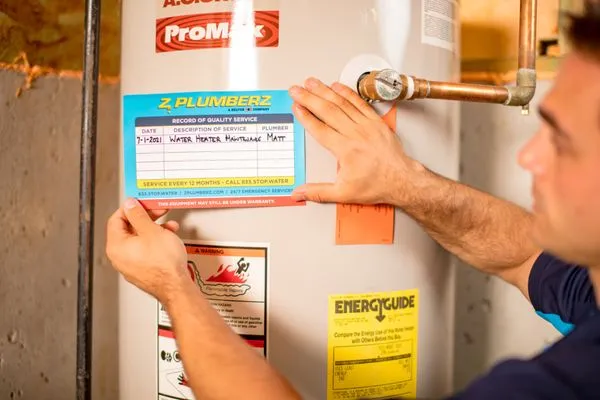
Z Plumberz
Z Plumberz is your comprehensive plumbing solution in Auburn Hills, MI, offering a full range of services from bathtub installation to sewer repair. We are a local, family-owned team committed to deli...

Bath Envy is a family-owned and operated bathroom remodeling company serving Clio, MI, with over 12 years of experience in project management and remodeling. Founded and run by a dedicated team, the b...
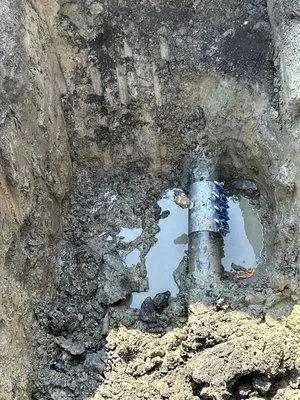
Advantage Plumbing & Heating is a trusted local plumbing service in Mount Morris, MI, dedicated to helping homeowners resolve common plumbing emergencies like laundry hose bursts and pipe corrosion. W...
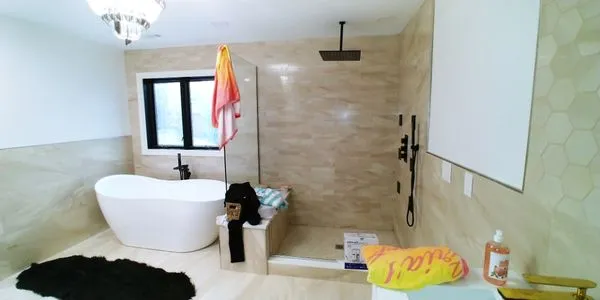
Founded in 2015 by a master plumber with over two decades of experience, Mouchet Contracting Services brings reliable plumbing solutions to Waterford Township, MI. Owner-led since the beginning, we dr...
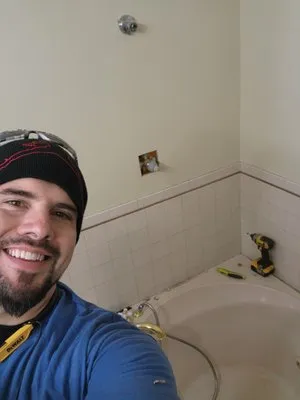
Affordable Handyman with Experience
Affordable Handyman with Experience in Flint, MI is a local home improvement and repair service dedicated to helping Flint residents maintain and upgrade their homes. With extensive skills in plumbing...

Majestic Plumbing & Heating, LLC
Majestic Plumbing & Heating, LLC is a family-owned and operated business serving Caro and southeastern Michigan since 1985. Founded by husband-and-wife team Rick and Debra Lipan, the company brings a ...
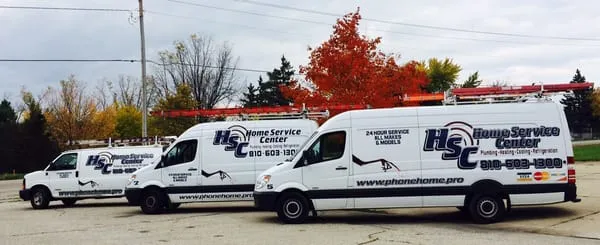
Home Service Center
Since opening its doors in 2005, HSC Home Service Center has been the trusted local provider of heating, cooling, plumbing, and refrigeration services for homeowners and businesses in Burton, Michigan...
Estimated Plumbing Costs in Bridgeport, MI
Questions and Answers
Do I need a permit to replace my water heater in Bridgeport?
Yes, Bridgeport Charter Township Building Department requires a permit for water heater replacement to ensure the installation meets current code for pressure relief valves and seismic straps. As a Master Plumber licensed through the Michigan Department of LARA, I pull that permit, schedule the inspection, and handle all documentation. My license means the work is certified, so you don't have to navigate the red tape yourself.
Why are so many Bridgeport homes having plumbing problems all of a sudden?
Most of the original galvanized steel plumbing in Bridgeport is 59 years old, dating to the 1967 construction boom. That steel has been corroding from the inside for decades. What you're seeing now in Bridgeport Village is the predictable failure of that timeline—pipes that are thin and brittle. They often clog with rust or split at threaded joints, leading to low water pressure or sudden leaks in walls and basements.
How fast can a plumber get to my house in Bridgeport in an emergency?
Our typical dispatch route for Bridgeport Village starts near the Bridgeport Township Library, heads straight to the I-75 on-ramp, and uses the expressway to reach most township streets within 20-30 minutes. We monitor traffic patterns to avoid backups near the I-75/I-675 interchange. This routing is consistent enough that we can give you a reliable arrival window when you call.
Could the flat land around here be causing my slow drains?
Bridgeport's plain terrain offers minimal natural slope for drainage. Over decades, this can allow soil to settle unevenly around your main sewer line, especially in areas with consistent clay content. That settling creates low spots or bellies in the pipe where waste and grease accumulate, leading to chronic slow drains or backups. It's a frequent issue we locate with a camera inspection for homes near the library and similar flat lots.
As a rural township homeowner, what's different about my plumbing system?
While Bridgeport Charter Township has municipal water, many properties still use private septic systems. This means your drains empty into a tank and leach field on your land, not a city sewer. Proper maintenance is critical; avoid chemical drain cleaners that kill septic bacteria, and have the tank pumped every 3-5 years. Failure here is your responsibility, unlike a clog in a municipal sewer lateral.
Does the Saginaw-Midland water cause problems for my appliances?
The municipal supply is reliable but has significant mineral content, which we classify as hard water. This leads to limescale accumulation inside water heaters, reducing efficiency and lifespan. You'll also see scale crust on faucet aerators and showerheads, which restricts flow. Installing a whole-house water softener is a common recommendation here to protect plumbing and appliances from accelerated wear.
What causes those small, rusty leaks in my basement pipes?
Galvanized steel from the late 1960s is prone to pinhole leaks caused by internal corrosion and scale buildup. The protective zinc coating wears away over decades, exposing the base steel to oxygen and minerals in the water. Joints are particularly vulnerable; the threads corrode and the fittings can no longer hold pressure. It's a systemic issue for homes of that era, not a random failure.
What's the most important spring plumbing task for a Bridgeport homeowner?
Before the spring thaw peaks, disconnect any garden hoses from your exterior hose bibs. If water remains trapped in the bib, it can freeze during a late cold snap—Bridgeport lows can still hit 15°F in early spring. A frozen hose bib can crack the pipe inside your wall, leading to a major leak when you finally turn the water on. This simple step prevents a very common and costly repair.
