Top Emergency Plumbers in Blue Lake, MI, 49425 | Compare & Call

There are 88 plumbing companies server in Blue Lake MI

ASAP Sewer & Drain Cleaning | Green Bay
ASAP Sewer & Drain Cleaning is a family-owned plumbing business serving Howard, Green Bay, and surrounding communities since 1993. Founded by a Green Bay native with generations of plumbing expertise ...

TD Skilled Services is your local Pound, WI, contractor for comprehensive plumbing, remodeling, and new construction. We provide a full spectrum of services, from essential plumbing repairs and water ...

Gomach Plumbing is a trusted, family-run business serving the Fox Valley since 2015. Founded by Oshkosh native Luke, who honed his skills through an apprenticeship at Moraine Park Technical College an...
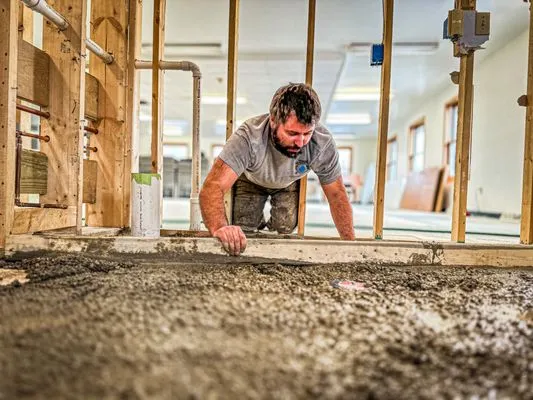
Scour Plumbing Drain and Sewer is a trusted, locally-owned plumbing service established in 2022 to serve Clintonville, WI, and the surrounding area. Our team of licensed and insured plumbers is dedica...
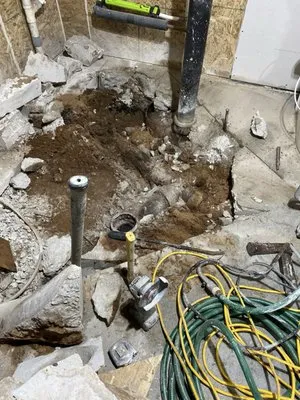
Royal Flush Plumbing Service
Royal Flush Plumbing Service is a family-owned and operated plumbing business serving De Pere, WI, and surrounding counties since 2014. With master plumber Andy bringing over two decades of industry e...

Peterson Custom Solutions is a state-licensed home improvement contractor serving the De Pere and greater Green Bay community. As a locally owned and operated business established in 2022, we bring a ...
Cheesehead Sewer & Drain Service is Howard's trusted local plumbing expert, specializing in comprehensive solutions for residential plumbing needs. Serving the Howard community, we address common loca...
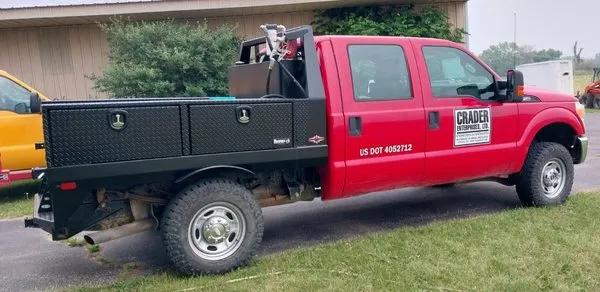
Crader Enterprises is a licensed engineering and plumbing service provider based in Little Suamico, WI, with over 20 years of experience serving agricultural, industrial, commercial, and residential c...
JDB A to Z Enterprise, a Veteran-owned and operated business in Two Rivers, WI, is built on a mission of service and community support. Owner JDB, a jack of all trades, founded the company with a simp...
Borkovetz Plumbing LLC is a fully licensed and insured plumbing company serving Sturgeon Bay, WI, and all of Door County with over 40 years of experience. We provide comprehensive plumbing services fo...
Estimated Plumbing Costs in Blue Lake, MI
Common Questions
How fast can a plumber get to my home in Blue Lake if I have a burst pipe?
My typical dispatch route starts from the Blue Lake Township Center. I head past Blue Lake itself to access US-31, which is the main artery for the area. From there, it's a direct shot to most neighborhoods. Barring heavy tourist traffic or winter weather, I can be at your door in 45 to 60 minutes to isolate the water and prevent major damage.
As a rural homeowner with a well and septic, what plumbing system should I watch most closely?
Your septic system and well pump are your private utilities. The septic system's drain field is the most expensive component to fail. Avoid flushing chemicals and have the tank pumped every 3-5 years. For the well, the submersible pump and its pressure tank are critical. Listen for short-cycling of the pump, which indicates a failing tank or pressure switch, a common issue with scale-clogged components.
I need to replace my water heater. What permits are required in Muskegon County?
Water heater replacements in Muskegon County require a plumbing permit from the Building Department. As a Master Plumber licensed by the Michigan Department of Licensing and Regulatory Affairs, I pull these permits for every job. I handle the inspection scheduling and ensure the installation, including proper seismic straps and pan drainage, meets all current code. This protects your home's insurance and resale value.
Does having a private well in Blue Lake mean I have different plumbing problems?
Private wells mean your water isn't treated by a municipal plant, so hardness and mineral content are unregulated. This hard water causes rapid scale buildup inside pipes, water heaters, and fixture valves. Anode rods in water heaters corrode faster, and showerheads clog with mineral deposits. Installing and maintaining a whole-house water softener is not a luxury here; it's essential for protecting your plumbing investment.
Why are my copper pipes suddenly springing leaks all at once?
Copper piping from the mid-80s is prone to a specific type of corrosion. Decades of hard water flow cause scale buildup, which creates a corrosive environment inside the pipe. This leads to pitting, and eventually, pinhole leaks. The failure often seems sudden because the pipe wall thins from the inside out over years, then finally gives way under normal water pressure.
Could the hilly land around Blue Lake be causing my drainage issues?
Absolutely. Hilly terrain puts constant, uneven stress on the main sewer line or septic system piping running from your house. Over decades, this can cause pipes to sag or separate at joints. For homes downhill, surface runoff during heavy rain or snowmelt can overwhelm perimeter drains and septic drain fields, leading to backups. Proper grading and periodic camera inspections of the main line are key.
What's the most important thing to do for my plumbing before spring in the Snow Belt?
The critical move is to locate and test your main water shut-off valve before the spring thaw hits. That 15-degree winter low freezes the ground, and the subsequent thaw causes ground shift. This movement can stress and break buried service lines where they enter your home. Knowing how to shut the water off instantly can turn a flooded basement into a minor inconvenience.
My house in Blue Lake was built in the 80s. Should I be worried about my plumbing?
Homes built around 1984 now have copper pipes over 40 years old. We see a predictable pattern in Blue Lake Township Center where this age of copper begins to fail. The most common issue is pinhole leaks, often appearing first at joints or in horizontal runs where water sits. This isn't a matter of if, but when, the thin walls of that era's pipe will corrode through, especially with our local water conditions.
