Top Emergency Plumbers in Bethany Township, MI, 48615 | Compare & Call

There are 31 plumbing companies server in Bethany Township MI
Sump Pump Pros is your trusted, local plumbing expert serving Lowell, MI. We specialize in a full range of residential plumbing services, from routine faucet repairs and garbage disposal installations...

Actons Mechanical is a trusted, full-service home maintenance and repair company serving Flint, MI, and the surrounding areas. We specialize in plumbing, HVAC, painting, and general home repairs to ke...
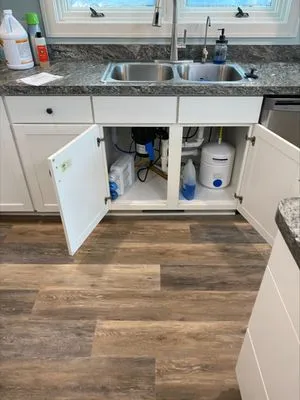
Bursley Plumbing is a family-owned and operated plumbing service based in Ovid, MI, proudly serving the greater Mid-Michigan area. Founded by husband-and-wife team Josh and his spouse, the business br...
Autumn Plumbing & Remodeling is a locally owned and operated Lansing company with over 25 years of experience in the building trade. Led by Todd, a licensed plumber and residential builder, we hold St...

Complete Plumbing has been a trusted plumbing partner for Grand Ledge and the Greater Lansing Area since 1989. As a family-owned and operated business, we've built our reputation on professional workm...

Mid-State Sewer Service is a licensed and established plumbing resource for Freeland residents and businesses. Since 2019, we've provided reliable drain and sewer solutions, from routine maintenance t...
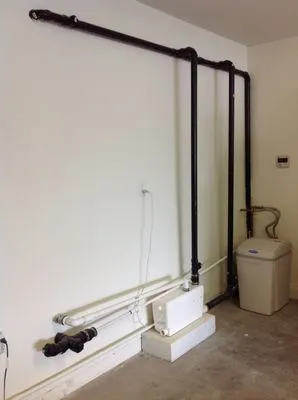
Mike's Handyman Services is a Bay City-owned and operated business, founded by Mike, a Navy veteran and journeyman plumber. His service in the Navy instilled a strong sense of discipline and integrity...

R&D Solutions is a trusted plumbing service provider in Saginaw, MI, specializing in comprehensive solutions for residential plumbing needs. We address common local issues like lead pipe concerns and ...
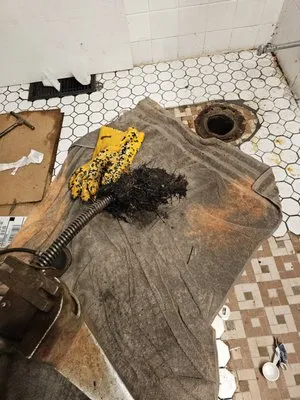
Tri-City Rooter is your trusted, local plumbing partner serving Midland and the surrounding communities. We provide a comprehensive range of plumbing services, from routine drain repair and toilet ins...
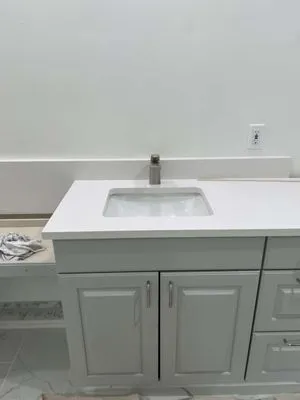
Bentley Plumbing is a family-owned plumbing service in Reed City, MI, with over 20 years of combined experience. Founded by a Master Plumber who now works alongside his two sons as apprentices, we bri...
Estimated Plumbing Costs in Bethany Township, MI
Common Questions
Does having a private well with hard water damage my plumbing fixtures?
Yes, hard water from a private well accelerates scale buildup inside fixtures and appliances. Your water heater's heating elements and tank interior will accumulate mineral deposits, reducing efficiency and lifespan. Faucet aerators and showerheads clog frequently, and you'll notice reduced flow long before the fixture fails completely.
Could the flat land around here cause drainage problems for my home's main sewer line?
The plain terrain near Gratiot County Fairgrounds means there's little natural slope for drainage. If your main sewer line has a slight belly or sag, waste water and solids can collect there instead of flowing freely to the septic tank. This puts extra stress on the pipe and is a common cause of slow drains and backups in the area.
How long does it take for a plumber to get to my house in Bethany Township?
From my shop, heading past Gratiot County Fairgrounds on US-127 gets me into the township quickly. Most calls within the township take 45 to 60 minutes from dispatch to arrival. I plan routes to avoid peak traffic times on the state highway, which helps keep that estimate reliable.
Who handles the permits if I need to replace my main water line?
I manage all required permits through the Gratiot County Building Department. As a licensed Master Plumber through the Michigan Department of Licensing and Regulatory Affairs, I handle that red tape so you don't have to. This ensures the work is inspected and documented correctly for your property records and any future sale.
Why does my 1980s copper plumbing keep springing pinhole leaks?
Copper pipes installed in the early 80s are reaching the end of their typical service life. A common failure point is pinhole leaks caused by internal corrosion and scale buildup from decades of hard water. These leaks often start where the pipe wall is thinnest, like at soldered joints or where hot and cold lines are close together.
What should I do to prepare my plumbing for a Bethany Township winter?
With lows around 15°F, the pro-tip is to disconnect and drain garden hoses before the first hard freeze. Insulate any exposed pipes in crawl spaces or basements. Pay close attention during the spring thaw, as that's when we see the most calls for burst pipes that froze and went unnoticed during the deep cold.
Are there special plumbing considerations for a rural home with a well and septic system?
Rural plumbing here ties your well pump pressure tank directly to your home's system, so pressure switches and check valves are critical points of failure. Your septic tank's inlet and outlet baffles need regular inspection to prevent clogs that can back up into the house. It's a self-contained system, so a problem with one component often affects the others.
My home's copper plumbing was installed in the 1980s. What kind of problems should I expect now?
Homes built in 1981 have copper pipes that are about 45 years old. In Bethany Center, we're seeing a predictable pattern of pinhole leaks, especially on hot water lines. This happens as the protective oxide layer inside the pipe wears thin over decades. You'll often notice small, persistent drips around joints or a drop in water pressure before a full failure.
