Top Emergency Plumbers in Bennington, MI, 48848 | Compare & Call

There are 240 plumbing companies server in Bennington MI

Best Plumbing
Best Plumbing in Taylor, MI has been the trusted local plumbing expert since 1984, building a reputation for reliable service over our 30+ years in business. As licensed and insured professionals, we ...

WaterWork Plumbing has been serving Ferndale and Metro Detroit since 2006, founded by licensed Master Plumber David Greylen. Starting with a single truck, the company has grown into a team of over twe...
Jens Plumbing Service is a trusted, local plumbing company serving Redford, MI homeowners with comprehensive plumbing solutions. We specialize in addressing common local issues like dishwasher leaks a...

Integrity Plumbing is a Detroit-based plumbing company founded on a simple, powerful principle: honesty in every job. We believe no homeowner should ever feel discouraged or taken advantage of when de...

Pypes Plumbing has served Detroit and Oakland County for years, providing reliable plumbing solutions with a focus on lasting quality. Our team handles everything from routine repairs to complex insta...

TNT Plumbing is a licensed plumbing company serving Detroit and surrounding communities since 1985. With over 20 years of experience, we provide reliable plumbing services for both residential and com...
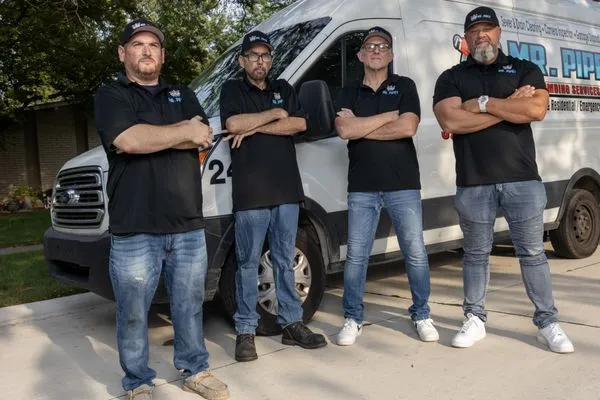
Mr. Pipey Plumbing is a Detroit-based plumbing service that specializes in resolving drain and sewer problems with effective methods. Our team uses snaking to clear blockages, hydrojetting to clean pi...
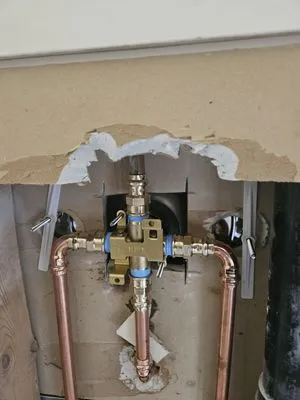
QMB GROUP is a Detroit plumbing company founded on a legacy of service and skill. Owner Mike's career began right after high school when he trained as a plumber in the U.S. Navy. After his honorable s...
Sam's Plumbing is a second-generation, family-owned plumbing company serving West Bloomfield, MI, since 1985. With over 30 years of experience, we provide comprehensive plumbing services for both resi...
Main Drain Service is a family-owned plumbing company serving Columbiaville, MI, with over a decade of experience in drain maintenance across metro Detroit. Founded by a lifelong handyman and former p...
Estimated Plumbing Costs in Bennington, MI
Common Questions
Could the flat land near the Looking Glass River cause drainage issues for my home's plumbing?
The plain terrain here means water has little natural slope to drain away from your foundation. During heavy rain or snowmelt, saturated soil around the Looking Glass can put constant hydrostatic pressure on your home's underground main sewer line. This external pressure is a common cause of joint failure or line collapse in older systems.
How fast can a plumber get out to a rural area like Bennington?
From our base near the Looking Glass River, heading east on I-69 is the primary route into the Bennington area. A typical dispatch involves navigating local roads off the interstate. For most service calls, you can expect a technician within 45 to 60 minutes, accounting for distance and weather conditions on those secondary routes.
Our home's original plumbing is from 1983. What should we expect now?
Homes in Bennington Village built around 1983 now have copper pipes over 40 years old. This is a critical lifespan for copper, where you often start to see widespread pinhole leaks and significant joint calcification. Many homeowners here are now dealing with their first major repiping projects, especially in the hot water lines where corrosion accelerates.
Who handles permits for a water heater or septic repair in Shiawassee County?
The Shiawassee County Building Department issues the required permits for this work. As a licensed master plumber through the Michigan Department of Licensing and Regulatory Affairs, I pull those permits, schedule inspections, and ensure the work meets all state and county codes. My job is to manage that red tape so your project stays compliant and on track.
Are there special plumbing considerations for a rural home with a well and septic system?
Absolutely. The entire system is your responsibility, from the well pump and pressure tank to the septic field. A failing pressure switch on the well can burn out a pump, and a clogged septic line can back up into the house. Regular maintenance on both ends is not optional; it prevents the most costly repairs unique to rural properties.
Does having a private well with hard water damage my appliances?
Yes, significantly. Untreated hard water from a private well deposits scale throughout the system. Water heaters are especially vulnerable; the lower heating element becomes caked in mineral deposits, forcing it to work harder and fail prematurely. You'll also see reduced flow and premature seal failure in faucets and shower valves due to this scaling.
Why are my 1980s copper pipes suddenly springing pinhole leaks?
Copper installed in the early 80s has been subjected to decades of our area's hard water. Scale buildup inside the pipes creates a corrosive environment, and the metal itself fatigues over time. The result is often pinhole leaks, which frequently appear first on horizontal hot water runs in basements or crawlspaces where sediment collects.
What's one thing I should do before spring to avoid a plumbing disaster?
Before the spring thaw hits its peak, make sure any exposed water lines in unheated spaces like crawlspaces or garages are properly insulated. A sustained 14-degree low can freeze a pipe, but the rapid temperature swings during the thaw cause expansion and contraction that often breaks weak joints. Insulation helps buffer those temperature shocks.
