Top Emergency Plumbers in Bark River, MI, 49807 | Compare & Call

There are 120 plumbing companies server in Bark River MI
Badger Drains LLC is a second-generation, family-owned drain cleaning service proudly serving Green Bay, Ashwaubenon, Marinette, and surrounding communities. Founded on a legacy of plumbing expertise,...

K Kelly Inc Heating Cooling & Plumbing
K Kelly Inc Heating Cooling & Plumbing has been a trusted provider in Green Bay and Northeast Wisconsin for over 30 years, offering comprehensive heating, cooling, plumbing, indoor air quality, and ra...

ASAP Sewer & Drain Cleaning | Green Bay
ASAP Sewer & Drain Cleaning is a family-owned plumbing business serving Howard, Green Bay, and surrounding communities since 1993. Founded by a Green Bay native with generations of plumbing expertise ...

TD Skilled Services is your local Pound, WI, contractor for comprehensive plumbing, remodeling, and new construction. We provide a full spectrum of services, from essential plumbing repairs and water ...

Gomach Plumbing is a trusted, family-run business serving the Fox Valley since 2015. Founded by Oshkosh native Luke, who honed his skills through an apprenticeship at Moraine Park Technical College an...
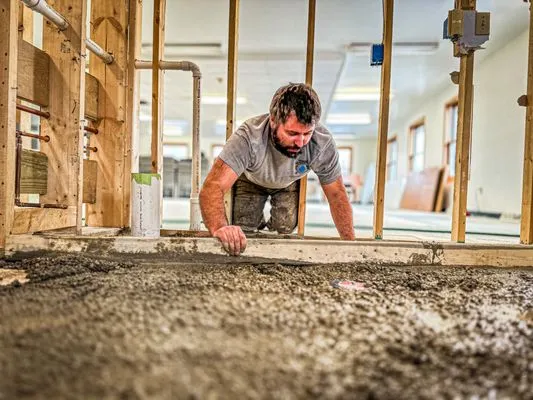
Scour Plumbing Drain and Sewer is a trusted, locally-owned plumbing service established in 2022 to serve Clintonville, WI, and the surrounding area. Our team of licensed and insured plumbers is dedica...
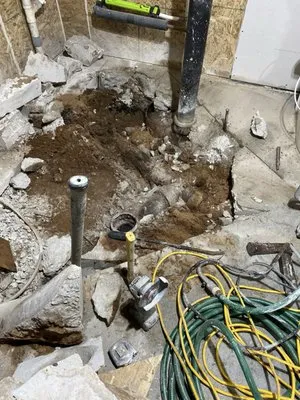
Royal Flush Plumbing Service
Royal Flush Plumbing Service is a family-owned and operated plumbing business serving De Pere, WI, and surrounding counties since 2014. With master plumber Andy bringing over two decades of industry e...

United Plumbing & Heating Sales & Service
For over 50 years, United Plumbing & Heating Sales & Service has been the trusted, family-owned plumbing resource for Oconto Falls and surrounding communities. Founded in 1974, we provide reliable res...
Peterson Custom Solutions is a state-licensed home improvement contractor serving the De Pere and greater Green Bay community. As a locally owned and operated business established in 2022, we bring a ...
Cheesehead Sewer & Drain Service is Howard's trusted local plumbing expert, specializing in comprehensive solutions for residential plumbing needs. Serving the Howard community, we address common loca...
Estimated Plumbing Costs in Bark River, MI
Questions and Answers
How does hard well water affect plumbing in Bark River?
Private wells here pull mineral-heavy water that causes scale buildup inside pipes and appliances. Water heaters suffer most—their heating elements get coated with calcium deposits, reducing efficiency by 30-40% over five years. Fixtures like showerheads and faucet aerators clog with mineral accumulation, decreasing water flow. Installing a whole-house water softener extends the life of your plumbing system significantly.
How old are the copper pipes in Bark River homes and what should I expect?
Copper plumbing in Bark River was typically installed around 1978, making it 48 years old in 2026. At this age, homeowners often notice pinhole leaks developing in straight pipe runs, especially where water velocity is highest. You might see blue-green stains around fixtures or small damp spots on walls and ceilings. This corrosion happens because the protective oxide layer inside copper pipes eventually wears thin after decades of water flow.
Why do older copper pipes in Bark River develop leaks?
Copper pipes installed in 1978 often fail at solder joints due to galvanic corrosion between dissimilar metals. You'll notice leaks first at elbow connections or where copper meets brass fittings. The solder used in that era contained more lead than modern formulations, which accelerates deterioration. These joints calcify over time, becoming brittle and prone to cracking under normal water pressure.
What permits do I need for plumbing work in Delta County?
Delta County Building and Zoning requires permits for water heater replacements, sewer line repairs, and any new fixture installations. As a Michigan Department of Licensing and Regulatory Affairs licensed master plumber, I handle the permit applications and inspections. This ensures your project meets current code for well separation distances and proper venting. You avoid the red tape while knowing the work passes all county requirements.
What should I do to prepare my plumbing for Bark River winters?
With lows hitting 6°F and spring thaw creating pressure surges, insulate all exposed pipes in crawl spaces and along exterior walls. Drain outdoor spigots before first freeze and keep cabinet doors open during cold snaps to allow warm air circulation. Monitor your main shutoff valve—frost heave can shift foundations slightly, putting stress on the valve stem. A pro-tip: mark your water main location with a stake before snow covers it.
How does rural living in Bark River Township impact my plumbing?
Private wells and septic systems require different maintenance than municipal services. Well pumps need regular pressure tank checks—sudden pressure drops often signal pump failure. Septic fields in this area should be inspected every three years due to clay-heavy soil that slows drainage. Unlike city water, well systems lack chlorine treatment, so bacterial growth in pipes becomes a concern if water sits stagnant for extended periods.
How quickly can a plumber reach my home in Bark River?
Heading past Bark River-Harris Sports Complex on US-2, most service calls take 45-60 minutes from dispatch. That route covers most of the township efficiently. During winter months, I factor in extra time for snow-packed roads. For emergencies like burst pipes, I prioritize direct routes to minimize water damage.
Does the flat land around Bark River affect my drainage system?
The plain terrain near Bark River-Harris Sports Complex means minimal natural slope for drainage. Stormwater tends to pool near foundations instead of running off. This constant moisture saturates soil around your main sewer line, increasing hydrostatic pressure that can crack older clay pipes. During heavy rains, check your basement for seepage along the floor-wall joint—it often indicates drainage issues before major problems develop.
