Top Emergency Plumbers in Au Train Township, MI, 49806 | Compare & Call

There are 62 plumbing companies server in Au Train Township MI

Robbie's Professional Services
Robbie's Professional Services in Marinette, WI, is a fully certified, bonded, and insured local contractor specializing in a wide range of home maintenance and repair needs. We are committed to the s...

Precision Plumbing
Precision Plumbing LLC is your trusted local plumbing expert in Porterfield, WI, founded by Master Plumber John Hensley and his wife Lora. A Crivitz native, John completed a rigorous five-year apprent...
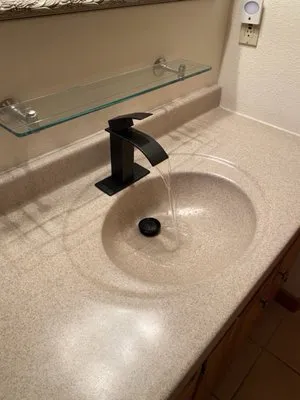
Maiden Lake Plumbing Inc has been a trusted plumbing partner for Lakewood residents and businesses since 1976. As a family-owned and operated company, our deep community roots drive our commitment to ...

Morin And Johnson Well Drilling & Pump
Morin And Johnson Well Drilling & Pump is a locally owned and operated company serving Niagara, Wisconsin, and the surrounding region. Founded in 1995 when the current owner purchased a long-establish...

Bat Pumping & Septic Service is a trusted local provider in Amberg, WI, specializing in essential plumbing and septic solutions for area homeowners. Many homes in our region face common plumbing chall...
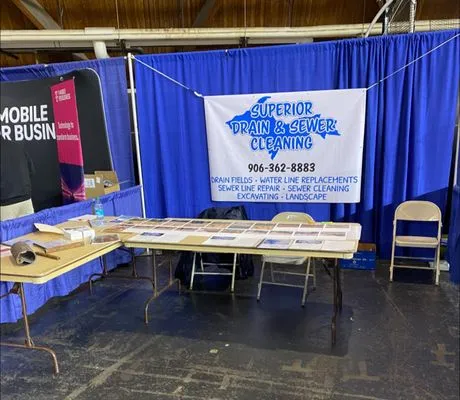
Superior Drain is a locally owned and operated plumbing and excavation service based in Marquette, MI. We specialize in addressing common household plumbing emergencies like clogged drains, sewer back...

Beauchamp Plumbing and Heating
Beauchamp Plumbing and Heating has been a trusted fixture in Marquette and the Upper Peninsula since 1993. Founded as a father-and-sons operation by Andy Beauchamp, this family-owned business has buil...
John Wright Plumbing, Heating and Air Conditioning
John Wright Plumbing, Heating and Air Conditioning is a trusted, locally-owned service provider in Marquette, MI, dedicated to keeping homes and businesses running smoothly year-round. With deep roots...
Trudell Plumbing And Heating
Trudell Plumbing And Heating has been a trusted name in Marquette, MI, for over 40 years, providing reliable plumbing and heating services to both residential and commercial clients throughout Marquet...
J-Goods Plumbing and Heating
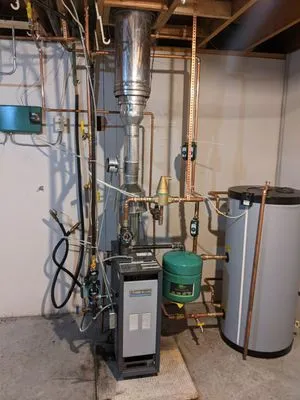
J-Goods Plumbing and Heating has been serving Negaunee and Marquette County for over 20 years, specializing in residential plumbing, heating, and air conditioning services. Founded by an owner who sta...
Estimated Plumbing Costs in Au Train Township, MI
FAQs
What's the most important thing to do before spring thaw to avoid plumbing problems?
Before the spring thaw hits its peak, make sure any exterior faucets are completely shut off inside the house and the line is drained. A hose bib that dripped all winter might have allowed ice to form in the pipe behind your wall. When that ice melts during a rapid thaw, you'll discover the leak. Checking these now, when overnight lows are still around 8°F, can prevent a wet mess in April.
Why do my copper pipes keep springing pinhole leaks?
Copper pipe from 1979 often fails from pitting corrosion, accelerated by our water's chemistry. The hard, mineral-rich water creates a corrosive environment inside the pipe over decades, eating away at weak spots until a pinhole forms. This isn't a freeze break; it's a small, steady drip that worsens. Replacing a section is a temporary fix, as adjacent pipe of the same age is often in similar condition.
Does our well water damage appliances?
Yes, the hard water from private wells here causes scale buildup. Inside a water heater, that scale acts as an insulator on the heating element, forcing it to work harder and fail sooner. You'll see the same mineral deposits crusting on faucet aerators and showerheads, reducing flow. A whole-house water softener is the standard defense to protect these appliances and your plumbing from premature wear.
How fast can a plumber get to my house out here?
My typical dispatch from Au Train Falls involves heading west on M-28. Travel time to most addresses in the township averages 60 to 90 minutes, depending on your specific road. I factor in this drive when giving you an arrival window, so you're not left guessing. It's a straightforward route, but one we plan for to ensure we have the right parts on the truck.
Do I need a permit to replace my water heater or re-pipe my house?
Yes, Alger County Building Department requires permits for that work. As a Master Plumber licensed through the Michigan Department of Licensing and Regulatory Affairs, I pull those permits and schedule the required inspections. This ensures the installation meets current code for safety and insurance purposes. My job is to handle that red tape so you don't have to navigate the county process yourself.
Our home in Au Train Village was built in the late 70s. What should we watch for with our plumbing?
Homes built in 1979 have copper pipes that are now 47 years old. That copper has endured nearly five decades of our hard water, which leads to significant internal scaling. In Au Train Village, homeowners are now seeing the result: reduced water pressure from restricted pipes and pinhole leaks appearing in areas where the pipe wall has thinned. This isn't sudden failure, but the predictable wear-out phase for plumbing of this era.
Could the hilly land near Au Train Falls cause plumbing issues?
The coastal slope and sandy soil here directly affect your main water line and drainage. Gravity pulls surface water downward during heavy rain or snowmelt, which can expose or put stress on a buried service line. For homes on septic, ensuring the drain field is on stable, well-draining ground is critical; a saturated field from poor runoff will fail. Proper grading away from your foundation is a first line of defense.
Are there special plumbing considerations for a rural home with a well and septic?
Absolutely. Your entire water system, from the well pump to the pressure tank and the septic field, is your responsibility. A failing pressure switch or a full septic tank manifests as plumbing problems inside the house. It requires a different diagnostic approach than a municipal connection. Knowing the age and maintenance history of your well equipment and septic system is as important as knowing your pipe material.
