Top Emergency Plumbers in Athens Township, MI, 49011 | Compare & Call

There are 161 plumbing companies server in Athens Township MI
Gibson's Heating & Plumbing
Gibson's Heating & Plumbing is a trusted, family-owned business serving Waterloo and the surrounding region for over 27 years. Founded and operated by the Gibson family, we live and work in the same c...

Henry Smith Plumbing, Heating & Cooling
For over 60 years, Henry Smith Plumbing, Heating & Cooling has been the trusted name for Elkhart homeowners. Founded by Henry Smith in 1952, this family-owned and operated company has built its reputa...
Advantage Plumbing & Drain
Founded in 2004 by licensed Master Plumber Ryan, Advantage Plumbing & Drain serves Hastings, MI, with comprehensive residential and commercial plumbing solutions. As a certified plumbing contractor an...
Re-Bath in Grand Rapids, MI specializes in bathroom remodeling services for local homeowners. Founded in 1979, we introduced "The Refreshing Remodel" approach, handling every aspect of bathroom update...
Whitney Services, led by master electrician Tim, has been a trusted name in Kalamazoo for plumbing, electrical, and HVAC needs. Founded on integrity and professionalism, Tim’s positive approach ensure...
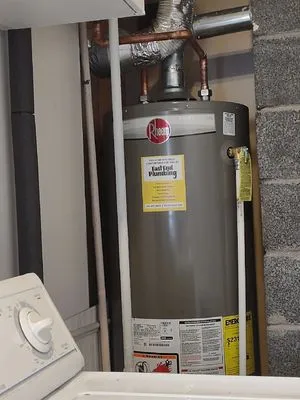
East End Plumbing is a trusted local plumbing company serving Kentwood and the surrounding communities. We specialize in a wide range of residential plumbing services, from emergency repairs to full i...

LDA Construction is a trusted, full-service handyman and contracting company serving Nashville, MI, and the surrounding Barry County area. We understand that local homeowners frequently face urgent pl...

Elite Pipeline Services
Elite Pipeline Services is a family-run business established in Allendale, MI, in 2005. We specialize in trenchless sewer repair and pipeline rehabilitation, offering residents and businesses a way to...
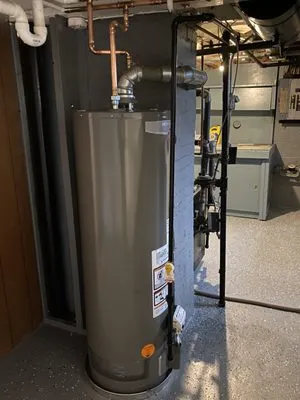
AB & RD Management Group is a trusted, full-service provider for Lansing, MI, handling everything from emergency plumbing repairs to complete kitchen and bathroom remodels. Our team brings a professio...
Dreamscape Developer's LLC is a licensed and insured construction company serving Hopkins, MI, specializing in both remodeling and new construction projects. We focus on flooring, trim, and finish wor...
Estimated Plumbing Costs in Athens Township, MI
Frequently Asked Questions
Are my original 1982 copper pipes nearing the end of their lifespan?
With copper pipes from 1982 now being 44 years old, homeowners in Athens Village are seeing a predictable phase of wear. This is the age where pinhole leaks often start to appear, especially on hot water lines. The copper has thinned from decades of water flow and internal corrosion. Addressing these small leaks early can prevent a major failure in your walls or ceiling.
How quickly can a plumber get to me out here?
My standard response from the shop is 45 to 60 minutes. Heading past Nottawa Creek on M-66 is the main route into Athens Township. Knowing the back roads and driveways here cuts down on search time once I'm off the highway. It's a straightforward run for local calls.
What should I do to prepare my plumbing for a Michigan winter?
The key is action before the first hard freeze, which can hit 15 degrees here. Drain and shut off outdoor hose bibs from inside the house. Insulate pipes in unheated crawl spaces or against exterior walls. Know where your main water shut-off valve is. A slow drip from faucets during extreme cold can keep water moving and prevent a freeze-up in vulnerable lines.
Could the flat land here cause drainage problems for my home?
Plain terrain means water doesn't always run away from your foundation as easily. After heavy rain or during the spring thaw, saturated soil around Nottawa Creek can put hydrostatic pressure on basement walls and your main sewer line. Ensuring your gutters drain well away from the house and that your sump pump is operational is critical to avoid water or sewer backups.
Does hard well water damage my plumbing fixtures?
Yes, constantly. Water from private wells in this area carries minerals that deposit as scale. Inside your water heater, this scale acts as an insulator, forcing the unit to work harder and burn out elements prematurely. On faucets and showerheads, it clogs aerators and reduces flow. A whole-house water softener is the standard defense for protecting your investment.
Do I need a permit to replace my water heater or re-pipe my house?
Yes, Calhoun County Building Department requires permits for that work to ensure it meets code. As a licensed Master Plumber through the Michigan Department of Licensing and Regulatory Affairs, I pull those permits, schedule inspections, and handle the paperwork. My job is to manage the red tape so the process is seamless for you.
What's different about maintaining a rural home's plumbing system?
You're responsible for the entire system, from the well pump and pressure tank to the septic field. There's no municipal water pressure to blame or city sewer to call. Well components have a service life and need periodic maintenance. Septic systems require regular pumping and mindful water usage to avoid a costly failure in the drain field.
Why do I keep getting pinhole leaks in my copper pipes?
Homes built around 1982 with original copper are hitting a critical point. Aggressive local water, combined with age, can cause a failure called Type I pitting. This creates isolated, deep pits that turn into pinhole leaks, often behind walls. It's not a matter of if, but when, on these older systems, and partial re-pipes are becoming common here.
