Top Emergency Plumbers in Assyria, MI, 49017 | Compare & Call

There are 235 plumbing companies server in Assyria MI
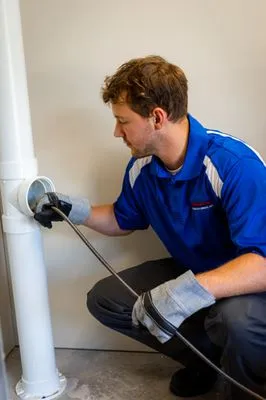
Gibson's Heating & Plumbing
Gibson's Heating & Plumbing is a trusted, family-owned business serving Waterloo and the surrounding region for over 27 years. Founded and operated by the Gibson family, we live and work in the same c...
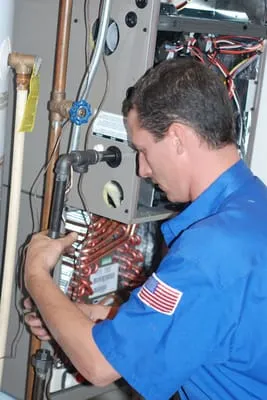
Home Comfort Experts
Home Comfort Experts is a trusted local provider serving Mishawaka residents with comprehensive plumbing, HVAC, and indoor air quality solutions. Our team of skilled technicians specializes in residen...

Jay Repairs Handyman
For over a decade, JayRepairs has been Bristol's trusted local handyman service, founded and operated by Jonathan. It all began with a passion for fixing things and helping neighbors, starting with sm...
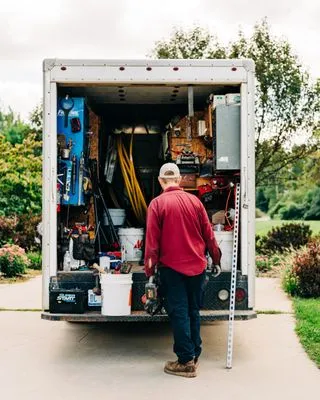
Haley Mechanical
Haley Mechanical has been a trusted name in Dexter and Southeast Michigan since 1998, providing dependable heating, cooling, plumbing, electrical, and geothermal services. As a locally owned and opera...
C&C Mechanical is a trusted plumbing and hydronic heating contractor serving Pinckney, MI, with over 36 years of industry experience. Founded by owner James in Novi, MI in 1986, the company later oper...
Whitney Services
Whitney Services is a licensed and insured plumbing, electrical, and HVAC company serving Lansing, Michigan, and the surrounding areas. Founded on principles of integrity, honesty, and professionalism...

Cascade Plumbing is a family-owned Grand Rapids plumbing company with over 25 years of dedicated service to Cascade and the wider Kent County area. Founded by Jon, a proud local father and community m...

Ferrer Plumbing has been a trusted name in Grand Rapids for over 15 years, providing reliable plumbing solutions for homes and businesses throughout the area. As a family-owned and operated service, w...
Integrity Handyman Services of West Michigan
Integrity Handyman Services of West Michigan is a female-owned business based in Grand Rapids, dedicated to providing reliable home maintenance and repair solutions across West Michigan. We approach e...

Grapids Home Services
For over two decades, Grapids Home Services has been a trusted name in Grand Rapids, founded by Nathan Engelsma in 1999. With Nate's extensive experience and a team of NATE and Nexstar certified techn...
Estimated Plumbing Costs in Assyria, MI
FAQs
How long does it take for a plumber to get to my house in Assyria?
From Historic Assyria Town Hall, the main route is heading north on M-66. That stretch is usually clear, so response is often quicker than the 45-60 minute window for the wider rural area. Traffic is rarely the delay; accessing long driveways or navigating property gates can add more time than the drive itself.
Why are so many homes in Assyria Center suddenly having pipe problems?
Homes built around 1984 have copper pipes that are now 42 years old. This is the lifespan where pitting from our hard water and natural mineral corrosion finally weakens the pipe walls. Homeowners in the Assyria Center area are seeing the result: a noticeable uptick in pinhole leaks, often appearing first at joints and fittings where stress and corrosion combine.
Does having a private well with hard water damage my plumbing?
Yes, the unsoftened, mineral-heavy water from private wells directly causes scale buildup. This accumulation insulates heating elements in your water heater, forcing it to work harder and fail sooner. Scale also restricts flow at faucet aerators and showerheads, and it dramatically shortens the life of appliance valves and washing machine solenoids.
What's one thing I should do before spring to prevent a plumbing emergency?
Before the spring thaw hits its peak, disconnect and drain all outdoor hoses. Trapped water expands when it freezes during our 15-degree lows, and that ice can travel back into the interior pipe wall, causing a split. Inspect the exterior faucet itself for minor leaks; a small drip now can become a major leak when the ground is saturated.
Are there different plumbing concerns for a rural home with a well and septic?
Absolutely. A rural system is self-contained. Well pump pressure needs consistent monitoring, as a failing pressure switch can burn out the pump. For the septic side, what goes down the drain matters more; garbage disposals and certain chemicals can disrupt the tank's bacterial balance and clog the drain field, leading to backups no municipal sewer user would experience.
Who pulls permits for a water heater replacement, and do I need to be involved?
Barry County Building Department requires a permit for water heater work. As a master plumber licensed by the Michigan Department of Licensing and Regulatory Affairs, I handle filing the permit, scheduling the inspection, and ensuring the installation meets all current code. My license means the red tape and paperwork are my responsibility, not yours.
Could the hilly land around here be causing my main drain to back up?
The slope around Historic Assyria Town Hall and throughout the area can stress main sewer lines. A lateral line running downhill may develop low spots where solids settle, while the constant gravitational pull on pipes can strain joints. During heavy rain, surface water can follow the hill and infiltrate older pipe joints, adding unexpected volume to your system.
What's causing these small, persistent leaks in my copper pipes?
Your 1984-era copper is likely failing from type L copper thinning and joint calcification. Hard water accelerates scale buildup inside the pipe, which creates a corrosive environment. This leads to pinhole leaks, typically where hot and cold lines meet at fixtures, due to galvanic corrosion where dissimilar metals connect without proper dielectric unions.
