Top Emergency Plumbers in Aetna, MI, 49336 | Compare & Call

There are 239 plumbing companies server in Aetna MI

Cascade Plumbing is a family-owned Grand Rapids plumbing company with over 25 years of dedicated service to Cascade and the wider Kent County area. Founded by Jon, a proud local father and community m...

Ferrer Plumbing has been a trusted name in Grand Rapids for over 15 years, providing reliable plumbing solutions for homes and businesses throughout the area. As a family-owned and operated service, w...
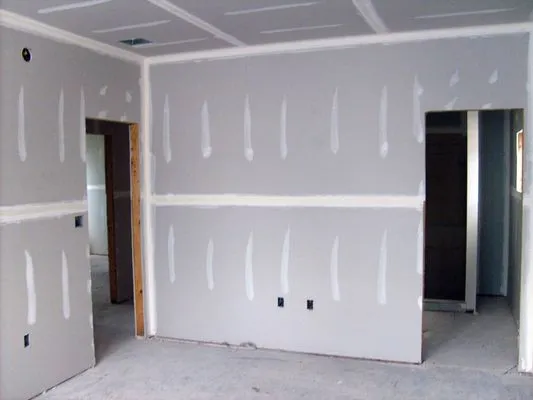
Integrity Handyman Services of West Michigan
Integrity Handyman Services of West Michigan is a female-owned business based in Grand Rapids, dedicated to providing reliable home maintenance and repair solutions across West Michigan. We approach e...

Grapids Home Services
For over two decades, Grapids Home Services has been a trusted name in Grand Rapids, founded by Nathan Engelsma in 1999. With Nate's extensive experience and a team of NATE and Nexstar certified techn...
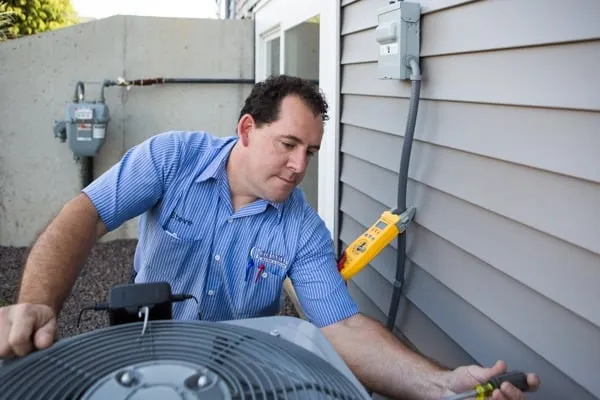
Godwin Plumbing & Hardware
Godwin Plumbing & Hardware has been a trusted name in West Michigan since 1955, built on generations of local service. We are a family of experts with over 90 years of combined experience, dedicated t...
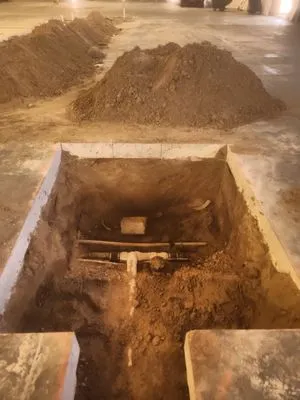
VerBurg Plumbing Service, based in Allegan, MI, is a full-service plumbing company owned and operated by a master plumber with over 34 years of experience. We provide reliable solutions for residentia...
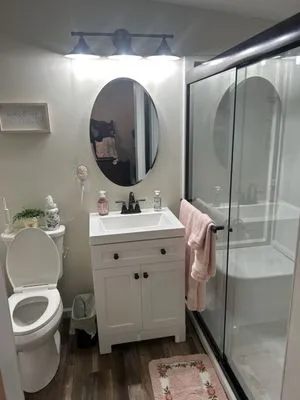
Fix It All Plumbing is your trusted local plumbing expert serving Reed City, MI and surrounding areas. We provide comprehensive plumbing services including bathtub, drain, faucet, garbage disposal, ga...
Penning Plumbing, Heating, Cooling & Electric
Penning Plumbing, Heating, Cooling & Electric is a third-generation family-owned business serving Grand Rapids, Kentwood, Wyoming, and surrounding West Michigan communities since 1917. With over a cen...
Scheid Plumbing Heating & Cooling
For over four decades, Scheid Plumbing Heating & Cooling has been a trusted family-owned name serving Whitehall, MI, and the surrounding communities of Muskegon, Oceana, Newaygo, Kent, and Ottawa coun...

Alpine Plumbing is a trusted, locally-owned plumbing service serving Comstock Park and the broader Grand Rapids metro area. Founded in 2003 by owner Patrick Smith, the company brings over 25 years of ...
Estimated Plumbing Costs in Aetna, MI
Questions and Answers
How fast can a plumber get to my house in Aetna?
From the Aetna Township Park area, a dispatch route heads north on US-131. That highway is the main artery, so travel is direct, but total response time depends on distance off the main road. For most calls in the township, a 45 to 60 minute arrival window from the time of dispatch is standard, accounting for our local road conditions.
My Aetna Center house was built around 1983. What's happening to the plumbing now?
Your copper pipes are 43 years old. In this area, that's the age when we see widespread pinhole leaks from internal corrosion, especially at solder joints and fittings. Homeowners often notice small, persistent damp spots on basement walls or ceilings before a full leak develops. The copper hasn't failed all at once, but the system is entering its most vulnerable period for these types of failures.
Who handles the permits if I need to replace my water heater or repipe my house?
Mecosta County Building Department issues the required permits for this work. As a Michigan licensed master plumber through the Department of Licensing and Regulatory Affairs, I pull those permits, schedule inspections, and ensure the installation meets all current state and county codes. My responsibility is to manage that process so you have a compliant, documented system without having to navigate the red tape yourself.
Why do my 1980s copper pipes keep springing pinhole leaks?
Copper installed in 1983 is prone to pinhole leaks from a combination of age, water chemistry from private wells, and a process called dezincification in the brass fittings of that era. The hard, acidic water common here accelerates wall thinning. You'll typically find these leaks at elbows, tees, and the first five feet of pipe coming off the water heater, where thermal stress and corrosion work together.
Could the flat land around here cause drainage problems for my home's plumbing?
The relatively plain terrain near Aetna Township Park can lead to poor natural drainage around your foundation. Over time, saturated soil puts constant hydrostatic pressure on your home's underground main sewer line, which can cause joint separation or pipe sagging. Ensuring your downspouts extend at least ten feet from the foundation is a critical step to divert this water away from your critical plumbing infrastructure.
Does hard water from my well damage my plumbing fixtures?
Yes, the mineral content in Aetna's well water causes scale buildup that significantly shortens appliance life. Water heaters are hit hardest; the lower heating element becomes coated, working harder and failing sooner. Scale also restricts flow in faucet cartridges and shower valves, leading to low pressure and the need for frequent repairs or replacements.
What's the most important cold-weather plumbing tip for the Aetna snow belt?
Before a deep freeze, usually when temps hit 15°F or lower, shut off and drain the water supply to any exterior faucets or underground lawn sprinkler systems from inside the house. The spring thaw is actually a higher-risk period for leaks, as shifting frozen ground can stress pipes and joints that were compromised over the winter. A slow drip from indoor faucets during extreme cold is a good precaution, but draining vulnerable lines is more reliable.
Are there special plumbing considerations for a rural home with a well and septic system?
Absolutely. The entire system is self-contained, so a leak or backup directly impacts your well pump's runtime and your septic drain field's capacity. A running toilet or a leaky pressure tank bladder can overwork the well pump and overload the septic tank with water. It's vital to monitor water usage and have both the well equipment and septic system inspected on a regular, separate schedule from standard home plumbing.
