Top Emergency Plumbers in Strong, ME, 04983 | Compare & Call

There are 20 plumbing companies server in Strong ME
Leighton Plumbing and Heating
For over 24 years, Leighton Plumbing and Heating has been the trusted local resource for Westbrook's plumbing and heating needs. I find genuine satisfaction in the variety of work each day brings, fro...
Pro Stream Plumbing and Heating is a locally owned and operated company serving Oxford and the surrounding communities in western and southern Maine. Founded by Master Plumber Dylan Allen, the busines...
Forest Brooke Plumbing and Heating
Forest Brooke Plumbing and Heating is a trusted, family-run business serving Monmouth and the surrounding communities. We are a licensed, full-service provider, handling everything from routine plumbi...
Versatile Services is your local Auburn, ME, expert for residential and light commercial plumbing and heating needs. We provide comprehensive services including gas line installation and repair, plumb...
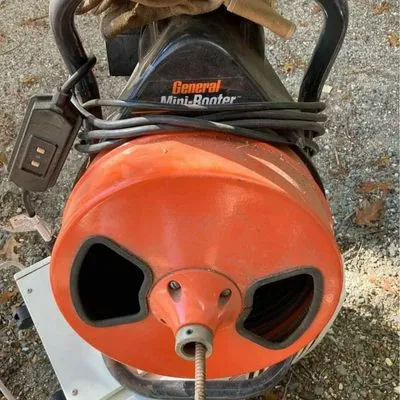
Murphy Plumbing is a veteran-owned plumbing service based in Auburn, ME, specializing in comprehensive plumbing solutions for residential and commercial clients. With 24/7 emergency availability, they...
Matt, owner of A-1 Plumbing in Farmington, ME, brings 18 years of plumbing and mechanical contracting experience to his community-focused business. After working for a mechanical contractor, he starte...

Kennebec Plumbing & Heating
Kennebec Plumbing & Heating is a Fairfield-based, family-owned company founded in 2021 by Steven Weeks, a plumber with over a decade of experience. Seeing a need for dependable residential service in ...
Ridans Home Maintenance LLC is a locally owned and operated home maintenance company serving Moscow and the surrounding area. Founded to provide a more comprehensive contractor solution, we've built a...
Plumbers 911 Maine
Plumbers 911 Maine is your local Augusta plumbing and HVAC partner. We operate as a trusted referral service, connecting you with skilled, licensed technicians who live and work right here in our comm...
BPL Construction LLC is a local contractor based in North Anson, ME, serving Somerset County and surrounding Central Maine communities. We provide a comprehensive range of commercial and residential s...
Estimated Plumbing Costs in Strong, ME
Questions and Answers
How long does it take for a plumber to get to my house in Strong?
Heading past Sandy River on State Route 145, the dispatch into Strong Village typically runs 60 to 90 minutes. Weather on the rural roads and seasonal traffic can affect that window. We factor this travel time into our scheduling to give you a realistic arrival estimate.
How does living in a rural area like Strong affect my septic and well system?
Rural plumbing here is a closed loop: your well feeds the house and your septic system handles the waste. This means any issue with water pressure, quality, or drainage is your responsibility to diagnose and repair. There’s no municipal backup, so maintaining both systems proactively is critical to avoid a full household shutdown.
Can the hilly land around Sandy River cause plumbing issues?
Hilly terrain places significant static pressure on your main water line from the well. The constant slope also affects drainage, potentially causing sewer lines to sag or collect debris in low spots. For homes near Sandy River, soil saturation can shift foundation pipes, stressing connections at the entry point.
Does having a private well in Strong damage my plumbing fixtures?
Private wells here often draw acidic, corrosive water. This low-pH water aggressively attacks the protective oxide layer inside copper pipes and water heater tanks. Over time, it leads to accelerated corrosion, blue-green staining on fixtures, and premature failure of appliances like water heaters and washing machine valves.
Who handles the permits for a plumbing job in Strong?
Permits with the Town of Strong Code Enforcement and any required inspections are part of a licensed plumber’s job. As a Master Plumber licensed by the Maine Plumbers' Examining Board, I handle that red tape so you don’t have to. This ensures the work meets all state and local codes for safety and insurance purposes.
Why do my 1970s copper pipes keep springing pinhole leaks?
Copper installed around 1976 is prone to localized corrosion, leading to pinhole leaks. This is often due to a combination of the pipe’s age, acidic well water, and electrolytic action from dissimilar metals. The leaks frequently appear on horizontal runs and at fittings where water turbulence is highest.
My copper pipes were installed in 1976. What problems should I expect now?
Pipes from 1976 are now 50 years old. In Strong Village, this age often means the internal walls have thinned from decades of water flow and local water chemistry. Homeowners start seeing pinhole leaks in supply lines, especially at soldered joints under stress. It’s a predictable failure point for copper of this vintage.
What’s the most important spring plumbing tip for the Strong area?
Check your main water shut-off valve every spring, especially after a winter with lows near 6°F. The freeze-thaw cycle can shift pipes and stress valves. A pro-tip is to turn the valve off and on a few times to ensure it hasn’t seized. This simple check prevents a minor leak from becoming a major emergency during the spring thaw peak.
