Top Emergency Plumbers in Standish, ME, 04071 | Compare & Call

There are 109 plumbing companies server in Standish ME
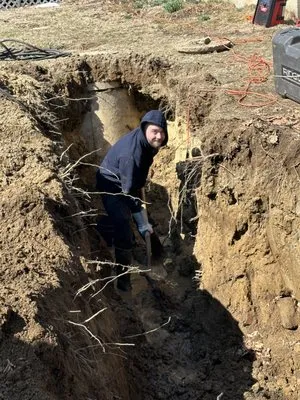
Rooter-Man of Southern Maine and New Hampshire, based in Exeter, is a trusted local plumbing and septic service provider. Part of the M2 Service Group family, this team combines decades of hands-on ex...
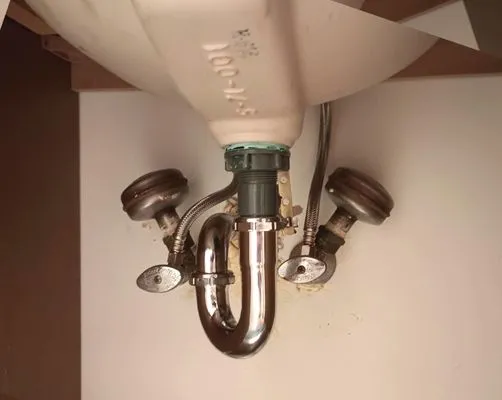
AT Plumbing Services, LLC is a trusted, licensed plumbing contractor serving Scarborough, ME, and the greater Portland area. Our team of dedicated professionals provides a full range of reliable repai...
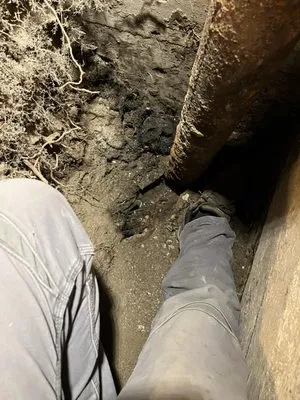
Maine Drain Busters is your local plumbing specialist serving Gorham and the surrounding communities. Our team of experienced, certified technicians provides reliable solutions for everything from sim...
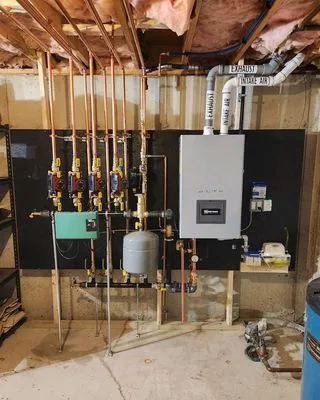
Heritage Home Service
Heritage Home Service is a family-owned and operated business serving Southern Maine, including Portland, South Portland, and surrounding towns. Founded in 1986 by brothers Craig and Steve, the compan...
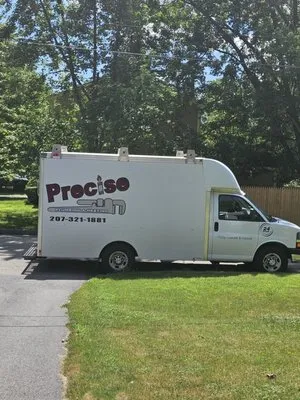
Precise Plumbing & Heating
Precise Plumbing & Heating is a registered master plumbing and heating service provider serving South Portland, ME, with comprehensive solutions for residential plumbing and HVAC needs. As a licensed ...
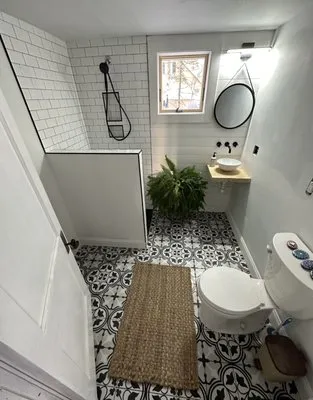
Platinum Plumbing
Platinum Plumbing Inc. is a locally owned and operated plumbing and heating service provider in Biddeford, ME, dedicated to delivering reliable, long-lasting solutions for residential needs. With a fo...

Zoom Drain is your trusted local drain and sewer expert serving Scarborough, ME, and the surrounding New England area. We specialize in comprehensive residential and commercial plumbing solutions, fro...

KJW Plumbing is a trusted local plumbing service in Cumberland, ME, dedicated to helping homeowners maintain reliable and efficient plumbing systems. We specialize in a comprehensive range of services...
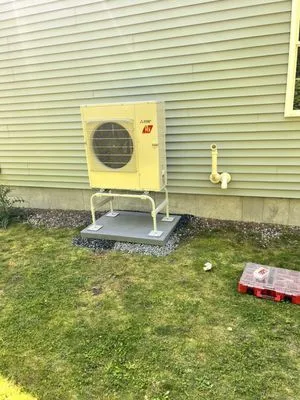
Cook Plumbing and Heating
Cook Plumbing and Heating is a trusted, locally-owned service provider dedicated to keeping Windham homes comfortable and functional. We understand the common plumbing challenges faced by area residen...
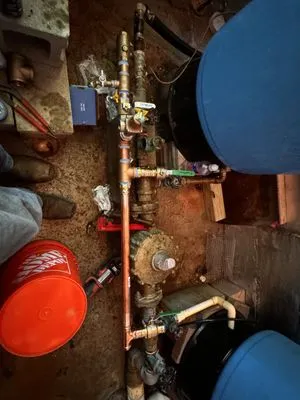
Foreshore Plumbing is a trusted residential plumbing service provider based in Auburn, Maine, dedicated to addressing the diverse plumbing needs of local homeowners. We specialize in a comprehensive r...
Estimated Plumbing Costs in Standish, ME
Questions and Answers
How long do copper pipes last in Standish homes?
Copper pipes installed around 1977 are now 49 years old. Homeowners in Standish Corner are seeing pinhole leaks and blue-green stains around fixtures as the pipes reach the end of their typical lifespan. This age means the protective oxide layer has worn thin, making the copper vulnerable to our area's corrosive water. Regular inspections can catch these issues before they become major water damage problems.
How quickly can a plumber reach my home in Standish?
Heading past Sebago Lake on State Route 25, our dispatch route covers most of Standish within 45-60 minutes. We monitor traffic patterns and weather conditions to optimize response times. For emergencies like burst pipes during spring thaw, we prioritize calls based on water damage risk. Knowing the back roads around Standish Corner helps us navigate efficiently when main routes are congested.
What permits are needed for plumbing work in Standish?
The Standish Code Enforcement Office requires permits for most plumbing modifications, especially those involving well or septic connections. As a Maine Plumbers Examining Board licensed master plumber, I handle all permit applications and inspections required by local code. This includes documenting pipe materials, pressure tests, and backflow prevention devices. Proper documentation ensures your system meets current standards and maintains your property's value.
Are there special plumbing considerations for rural Standish homes?
Rural properties with private wells and septic systems require integrated maintenance. Well pump pressure settings must match your home's fixture requirements without overtaxing older copper pipes. Septic system backups often first appear as slow drains rather than complete blockages. Unlike municipal systems, private wells lack consistent pressure regulation, making pressure tanks and expansion chambers essential for protecting plumbing from pressure surges.
How does hilly terrain affect plumbing in the Sebago Lake area?
Hilly slopes around Sebago Lake create drainage challenges that stress main water lines. Downhill sections experience higher water pressure that can burst older pipes, while uphill sections may develop air locks and reduced flow. Soil shifting on slopes puts mechanical stress on pipe joints and connections. Proper grading around your foundation and pressure-regulating valves prevent most terrain-related plumbing issues in Standish's varied landscape.
Does well water damage plumbing fixtures in Standish?
Private wells in our area typically have acidic, corrosive water that accelerates wear on plumbing components. Water heaters show this through anode rod depletion and tank corrosion within 5-7 years instead of the expected 10-12. Fixtures develop mineral deposits and reduced water pressure as valves and cartridges degrade. Installing whole-house filtration and maintaining sacrificial anodes extends your system's life significantly.
Why are my 1970s copper pipes suddenly leaking?
Copper pipes from 1977 often develop pinhole leaks due to decades of water flow and mineral buildup. The joints may show calcification where solder has degraded, creating weak points. In Standish's corrosive water conditions, these aging pipes lose their protective lining faster than in areas with treated municipal water. Replacing sections before complete failure prevents extensive wall and floor damage.
What should I do before spring thaw to prevent plumbing problems?
Before temperatures rise above freezing, disconnect garden hoses and shut off exterior faucets from inside. Insulate pipes in unheated crawl spaces, especially on north-facing slopes where thaw occurs unevenly. Check your main shutoff valve operates smoothly—this is crucial when nighttime lows hit 10°F and daytime thaws increase pressure on aging pipes. Schedule a pre-thaw inspection to identify vulnerable sections before they fail.
