Top Emergency Plumbers in Rome, ME, 04963 | Compare & Call

There are 37 plumbing companies server in Rome ME
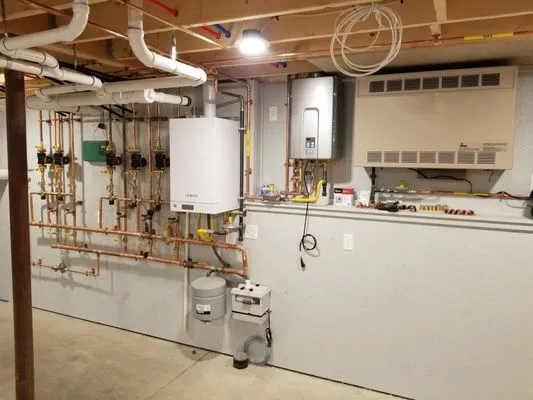
Leighton Plumbing and Heating
For over 24 years, Leighton Plumbing and Heating has been the trusted local resource for Westbrook's plumbing and heating needs. I find genuine satisfaction in the variety of work each day brings, fro...
Pro Stream Plumbing and Heating is a locally owned and operated company serving Oxford and the surrounding communities in western and southern Maine. Founded by Master Plumber Dylan Allen, the busines...
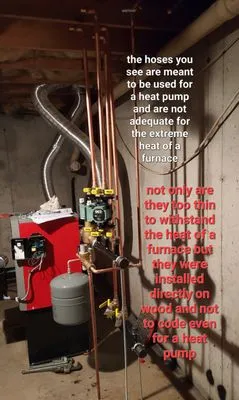
Forest Brooke Plumbing and Heating
Forest Brooke Plumbing and Heating is a trusted, family-run business serving Monmouth and the surrounding communities. We are a licensed, full-service provider, handling everything from routine plumbi...

Versatile Services is your local Auburn, ME, expert for residential and light commercial plumbing and heating needs. We provide comprehensive services including gas line installation and repair, plumb...
Murphy Plumbing is a veteran-owned plumbing service based in Auburn, ME, specializing in comprehensive plumbing solutions for residential and commercial clients. With 24/7 emergency availability, they...
Lakeview Plumbing
Lakeview Plumbing is a trusted local plumbing service based in Belgrade, ME, dedicated to providing reliable solutions for residential and commercial plumbing needs. With a focus on quality workmanshi...
Matt, owner of A-1 Plumbing in Farmington, ME, brings 18 years of plumbing and mechanical contracting experience to his community-focused business. After working for a mechanical contractor, he starte...

Houle's Plumbing Heating & Air Conditioning
Founded by Armand Houle in 1940, Houle's Plumbing Heating & Air Conditioning is a trusted, family-run business serving the Greater Waterville area for over 80 years. Our team handles a full spectrum o...
For over 135 years, AFC has been a trusted family-owned partner for central Maine homes and businesses, operating from Augusta. Our deep-rooted history began in 1888, and today we are your local sourc...

Kennebec Plumbing & Heating
Kennebec Plumbing & Heating is a Fairfield-based, family-owned company founded in 2021 by Steven Weeks, a plumber with over a decade of experience. Seeing a need for dependable residential service in ...
Estimated Plumbing Costs in Rome, ME
Frequently Asked Questions
Does Rome's acidic well water damage water heaters?
Yes, acidic water corrodes water heater tanks and anode rods rapidly. Without proper treatment, you'll see premature tank failure, often within 6-8 years instead of the typical 10-12. The corrosion also affects fixture internals - cartridge valves and washer seats wear out faster. Installing a whole-house neutralizer protects both your plumbing and appliances from this corrosive action.
What should I do before spring thaw to prevent plumbing problems?
Before temperatures rise above freezing, insulate exposed pipes in crawl spaces and check for foundation cracks where snowmelt can enter. Spring thaw puts maximum stress on older systems as ground shifts and water volume increases. Keep your basement drain clear and know your main shutoff location. These steps help avoid the burst pipe calls we commonly see each March.
My Rome Village home was built around 1988 - should I be worried about my plumbing?
Your copper pipes are now 38 years old. At this age, homeowners in Rome Village often notice blue-green stains around fixtures or small, persistent leaks in basements. Copper naturally thins over decades, especially with our acidic well water. Many systems from this era are reaching the end of their service life, and proactive inspection can prevent sudden failures during spring thaw.
Why do my 1980s copper pipes keep springing pinhole leaks?
Copper pipes installed around 1988 often develop pinhole leaks due to decades of internal corrosion from acidic well water. The copper walls thin gradually, creating weak spots that fail under normal pressure. Joint calcification also occurs at solder points, restricting flow and creating stress points. These issues typically manifest after 30-40 years of service in Rome's water conditions.
How does rural living affect my septic and well system maintenance?
Rural properties require coordinated care between well pumps, pressure tanks, and septic systems. A failing pressure switch can overload your septic with constant water flow, while septic backups can contaminate well lines. Unlike municipal systems, you're responsible for the entire water cycle - from wellhead to drain field. Regular inspections of both systems prevent cross-contamination and expensive repairs.
What permits do I need for a plumbing repair in Rome?
Most repairs require Rome Town Office permits, especially for well or septic work. As a Master Plumber licensed by the Maine Plumbers Examining Board, I handle the paperwork and inspections. Local codes address well setbacks, septic clearances, and freeze protection specific to our climate. Having proper documentation protects your property value and ensures work meets Maine's safety standards.
Could my home's hillside location cause drainage issues?
Hilly terrain around Great Pond creates natural drainage challenges. Slope pressure can stress main supply lines, leading to joint separation over time. During heavy rain or snowmelt, water follows gravity toward foundations, potentially overwhelming perimeter drains. Proper grading and French drains help, but many Rome homes need sump pumps to handle the water volume our hills direct toward basements.
How quickly can a plumber reach my home near Great Pond?
Heading past Great Pond on State Route 27, most service calls take 45-60 minutes from dispatch. Route 27 provides reliable access even during winter months, though heavy snow can add time. We factor in Rome's rural layout when scheduling - knowing exact landmarks like your proximity to the pond helps us provide accurate arrival windows.
