Top Emergency Plumbers in Old Town, ME, 04401 | Compare & Call

There are 38 plumbing companies server in Old Town ME
BPL Construction LLC is a local contractor based in North Anson, ME, serving Somerset County and surrounding Central Maine communities. We provide a comprehensive range of commercial and residential s...
Fortier’s Plumbing is a family-owned and operated business proudly serving Carmel and surrounding Penobscot and Waldo counties. As a reliable master plumber with over a decade of hands-on experience, ...
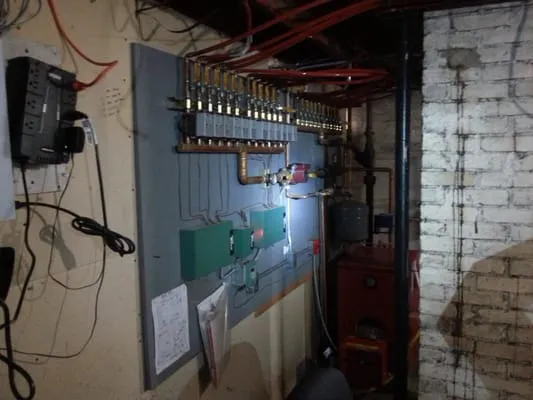
Olivers Heating and Plumbing
Oliver's Heating and Plumbing is a licensed contractor serving Bangor, ME, with expertise in both heating and plumbing systems. We handle residential projects from new construction to remodels, includ...

Tim's Plumbing is a fully licensed and insured plumbing contractor serving the greater Bangor area. With a combined 48 years of experience among our technicians, we provide a comprehensive range of se...
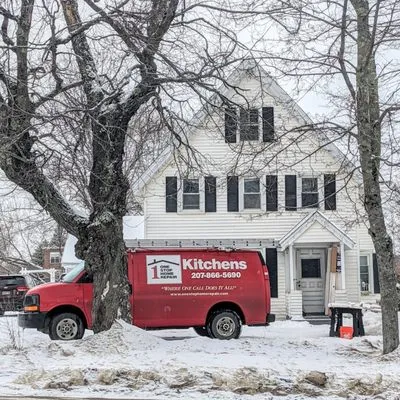
For over 40 years, One Stop Home Repair has been the trusted general contractor for Orono, ME, residents. We’ve built our reputation on quality, consistency, and reliability, handling everything from ...
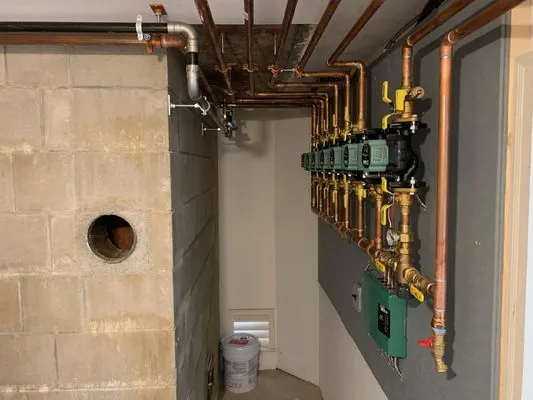
For over 16 years, J Eaton Plumbing & Heating has been a trusted, family-owned provider of plumbing, heating, and HVAC services for Bangor and surrounding Maine communities. As a licensed and insured ...

Jackson Plumbing & Heating has been a trusted fixture in Old Town, ME since 1984, providing reliable plumbing and heating solutions to the community. Under new ownership since 2020, the company contin...
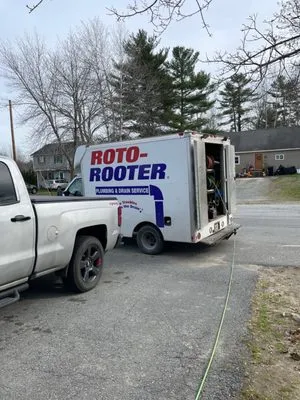
Roto-Rooter Sewer And Drain Service in Brewer, ME is your trusted local plumbing partner, providing reliable residential plumbing and drain cleaning services to the Brewer community. As America's Neig...
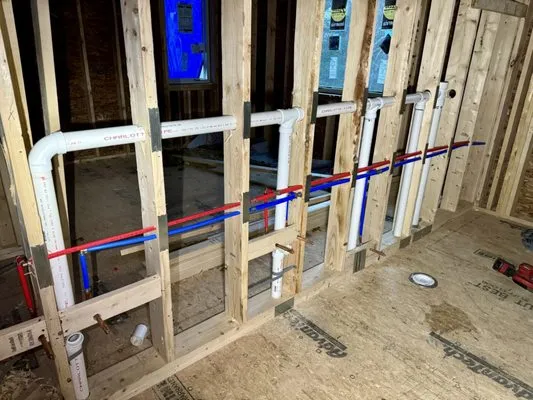
Precision Plumbing & Heating
Precision Plumbing & Heating is your trusted, local partner for all plumbing and HVAC needs in Bangor and surrounding areas. We specialize in comprehensive services, from emergency plumbing repairs an...

K Protech
K Protech is a trusted, state-licensed contractor serving Bucksport and the surrounding area, providing dependable plumbing, electrical, and heating solutions. Our team is dedicated to customer satisf...
Estimated Plumbing Costs in Old Town, ME
Questions and Answers
Do I need a permit to replace my water heater in Old Town?
Yes, the Old Town Code Enforcement Office requires permits for water heater replacements. As a Master Plumber licensed by the Maine Plumbers' Examining Board, I handle pulling the permit, scheduling the inspection, and ensuring the installation meets all current code for expansion tanks and dielectric unions. My credential means the red tape is managed for you.
As a suburban homeowner in Old Town, what should I know about my sewer line?
Your lateral line from the house to the municipal main is your responsibility. In this setting, tree roots seeking moisture are the primary threat, especially with older clay or cast iron pipes. Municipal water pressure is generally good, but sudden pressure drops can indicate a developing leak in the service line between the street and your home.
My basement in Old Town sometimes gets damp. Is that related to my plumbing?
The low-lying terrain near the Penobscot River means many properties have a high water table. This constant hydraulic pressure can stress the main sewer line, leading to infiltration at pipe joints or even a compromised line. It also means foundation drains and sump pumps are critical; if they fail, water will find its way in.
Does the Penobscot River water affect my water heater?
Yes, the slightly acidic and corrosive nature of our water source accelerates wear on all appliances. In water heaters, this aggressively attacks the anode rod, depleting it years faster than normal. Without a functioning anode, the tank's glass lining and steel walls corrode, leading to premature failure and sediment buildup that reduces efficiency.
My Old Town home was built in the 1960s. Should I be worried about my plumbing?
Your copper piping is now over 60 years old, which is its expected service life. In Downtown Old Town, we're consistently seeing homes from that era develop pinhole leaks and widespread corrosion in the pipe walls. This isn't a matter of 'if' but 'when' the system will begin to fail. The constant pressure cycles and mineral content in our water have simply worn the metal thin.
What's the most important spring plumbing tip for Old Town?
Before the spring thaw peaks, disconnect and drain any outdoor hoses. A pro-tip is to locate and test your main water shut-off valve now. When overnight lows hit 6°F, any residual water in exterior faucets or supply lines can freeze and split. A burst pipe during the rapid thaw is a common, preventable emergency here.
How quickly can a plumber get to my house in Old Town?
A typical dispatch route from our shop starts by heading past the Penobscot River to access I-95. This corridor is the main artery for reaching most neighborhoods efficiently. Barring major weather events, this routing allows for a consistent 30 to 45 minute response window from the initial call to arrival at your door.
Why am I getting pinhole leaks in my copper pipes?
Copper installed around 1964 is now failing due to a combination of age and electrolytic corrosion. The solder joints from that period are also prone to calcification and becoming brittle. This specific failure mode often manifests as a cluster of small leaks along a horizontal run, usually requiring a full section replacement rather than a spot repair.
