Top Emergency Plumbers in Ogunquit, ME, 03907 | Compare & Call

There are 53 plumbing companies server in Ogunquit ME

SOS Plumbing Solutions is a locally owned and operated plumbing company serving Barrington, NH, and the surrounding communities. With over 24 years of hands-on experience in the trade—from working wit...
Aqua Tech Plumbing and Heating is your trusted local partner for comprehensive plumbing, heating, and cooling services in Farmington, NH. We are the plumbers you can rely on for all installations, rep...
Camera Clear Drain Co. is a locally owned plumbing service dedicated to providing reliable solutions for homeowners in Rochester, NH. We focus on building lasting relationships through honest communic...
Rooter-Man of Southern Maine and New Hampshire, based in Exeter, is a trusted local plumbing and septic service provider. Part of the M2 Service Group family, this team combines decades of hands-on ex...
Manco Installations is your trusted, local home service expert serving Dover, NH, and the surrounding Seacoast area. We specialize in a wide range of plumbing, electrical, and HVAC services designed t...
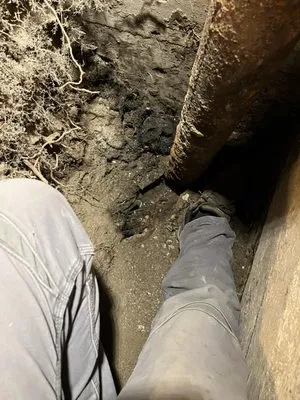
Maine Drain Busters is your local plumbing specialist serving Gorham and the surrounding communities. Our team of experienced, certified technicians provides reliable solutions for everything from sim...
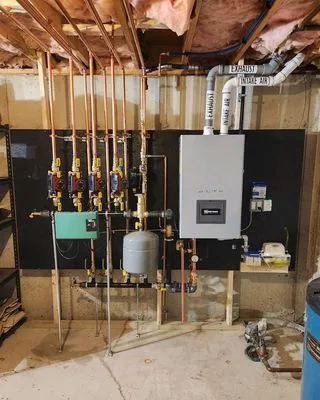
Heritage Home Service
Heritage Home Service is a family-owned and operated business serving Southern Maine, including Portland, South Portland, and surrounding towns. Founded in 1986 by brothers Craig and Steve, the compan...
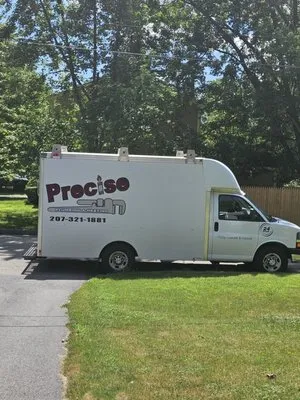
Precise Plumbing & Heating
Precise Plumbing & Heating is a registered master plumbing and heating service provider serving South Portland, ME, with comprehensive solutions for residential plumbing and HVAC needs. As a licensed ...
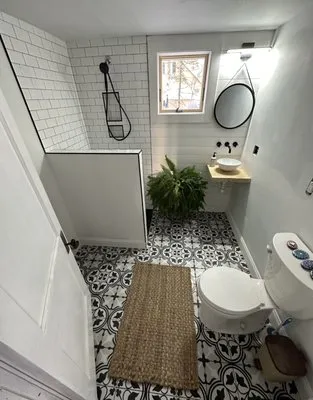
Platinum Plumbing
Platinum Plumbing Inc. is a locally owned and operated plumbing and heating service provider in Biddeford, ME, dedicated to delivering reliable, long-lasting solutions for residential needs. With a fo...

Zoom Drain is your trusted local drain and sewer expert serving Scarborough, ME, and the surrounding New England area. We specialize in comprehensive residential and commercial plumbing solutions, fro...
Estimated Plumbing Costs in Ogunquit, ME
Common Questions
How does Ogunquit's coastal terrain affect my home's drainage system?
The sloping coastal terrain around Marginal Way and similar areas creates drainage challenges for plumbing systems. Gravity works differently on slopes, meaning waste lines must be pitched precisely to prevent backups. Main sewer lines running downhill can experience increased pressure at lower joints. Coastal soil conditions also affect foundation settling, which may stress pipe connections over time. Properly designed cleanouts at elevation changes help manage these terrain-specific issues.
How quickly can a plumber reach my home in Ogunquit during an emergency?
From our base near Marginal Way, we head north on US-1 toward most Ogunquit addresses. That route typically takes 45-60 minutes depending on seasonal traffic and your exact location. We maintain radio contact with dispatch to navigate around any roadwork or congestion. Having your cross streets ready when you call helps us estimate arrival time more accurately.
As a rural Ogunquit homeowner, what unique plumbing concerns should I watch for?
Rural Ogunquit properties often combine well water systems with septic systems, creating interdependent plumbing concerns. Well pumps and pressure tanks require regular maintenance, while septic systems need monitoring for proper drainage field function. Distance from municipal infrastructure means longer response times for parts and service. We recommend scheduling annual checks of both well equipment and septic systems before peak summer usage, as coastal properties see significant seasonal population fluctuations.
Why do my 1970s copper pipes keep springing pinhole leaks?
Copper pipes from the 1970s often develop pinhole leaks due to decades of internal corrosion and scale buildup. The thin spots typically form where hot water flows constantly or where pipes make contact with dissimilar metals without proper dielectric unions. In Ogunquit homes, we frequently find these failures near water heaters or in horizontal runs under floors. Once one pinhole appears, others often follow within months as the pipe material has uniformly aged.
My copper pipes are original to my 1974 Ogunquit home - what should I expect at this age?
Copper pipes installed around 1974 are now 52 years old. In Ogunquit Village, homeowners with this vintage plumbing often see pinhole leaks developing in hot water lines first, particularly behind walls or under floors. The copper has endured decades of Maine's temperature swings and water chemistry. You might notice small damp spots on ceilings or walls before a full leak appears, or hear faint dripping sounds when pipes are under pressure.
What should I do to prepare my plumbing for Maine's spring thaw?
Before spring thaw when temperatures can swing from 14°F lows to above freezing, check all exposed pipes in crawl spaces and basements for existing cracks or weaknesses. Insulate pipes in unheated areas, and make sure your main water shutoff valve operates smoothly. During rapid thaw periods, monitor water pressure and listen for unusual sounds in your pipes. A pro-tip: keep cabinet doors under sinks open during cold snaps to allow warmer room air to circulate around pipes.
What permits or inspections do I need for plumbing work in Ogunquit?
The Ogunquit Code Enforcement Office requires permits for most plumbing modifications, including water heater replacements and fixture relocations. As a Master Plumber licensed by the Maine Plumbers' Examining Board, I handle the permit applications and coordinate required inspections. This ensures your project meets current Maine plumbing code and local amendments. You won't need to navigate municipal offices or paperwork - we manage the red tape so your project proceeds smoothly and remains compliant.
Does our local water from Kennebunk, Kennebunkport and Wells Water District damage plumbing fixtures?
Water from the Kennebunk, Kennebunkport and Wells Water District tends to be acidic and corrosive, which accelerates wear on plumbing components. This water chemistry particularly affects water heater tanks and anode rods, causing them to fail years earlier than in areas with neutral pH water. Fixtures with brass or chrome finishes may show etching or discoloration over time. Installing a whole-house water neutralizer can significantly extend the life of your plumbing system.
