Top Emergency Plumbers in Newburgh, ME, 04444 | Compare & Call

There are 35 plumbing companies server in Newburgh ME
BPL Construction LLC is a local contractor based in North Anson, ME, serving Somerset County and surrounding Central Maine communities. We provide a comprehensive range of commercial and residential s...
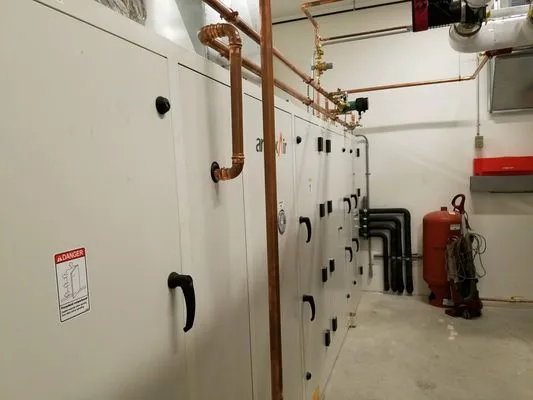
Knowles Mechanical
Knowles Mechanical is a family-owned HVAC and plumbing company serving North Vassalboro, ME, and surrounding areas since 2005. Their team of licensed technicians provides reliable installation, repair...
Fortier’s Plumbing is a family-owned and operated business proudly serving Carmel and surrounding Penobscot and Waldo counties. As a reliable master plumber with over a decade of hands-on experience, ...
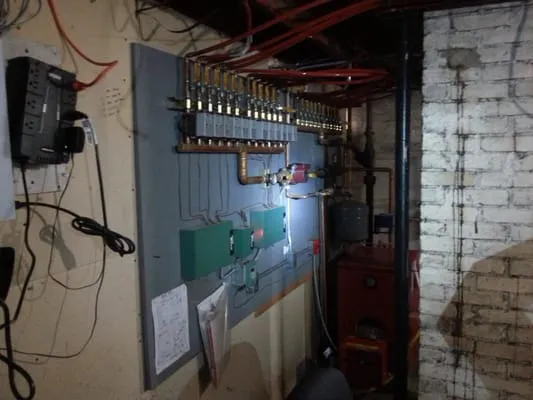
Olivers Heating and Plumbing
Oliver's Heating and Plumbing is a licensed contractor serving Bangor, ME, with expertise in both heating and plumbing systems. We handle residential projects from new construction to remodels, includ...

Tim's Plumbing is a fully licensed and insured plumbing contractor serving the greater Bangor area. With a combined 48 years of experience among our technicians, we provide a comprehensive range of se...
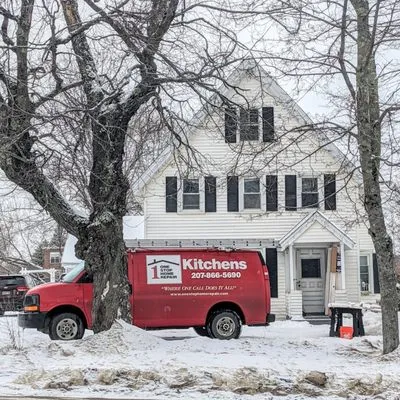
For over 40 years, One Stop Home Repair has been the trusted general contractor for Orono, ME, residents. We’ve built our reputation on quality, consistency, and reliability, handling everything from ...
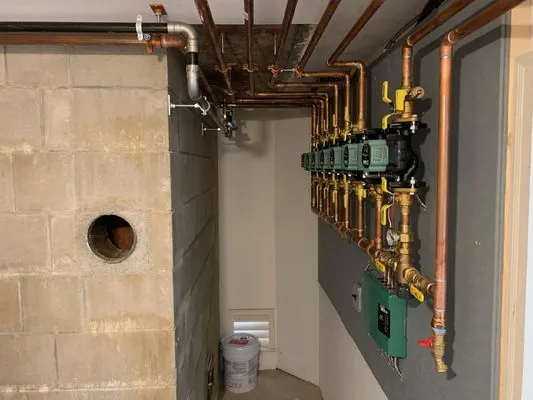
For over 16 years, J Eaton Plumbing & Heating has been a trusted, family-owned provider of plumbing, heating, and HVAC services for Bangor and surrounding Maine communities. As a licensed and insured ...
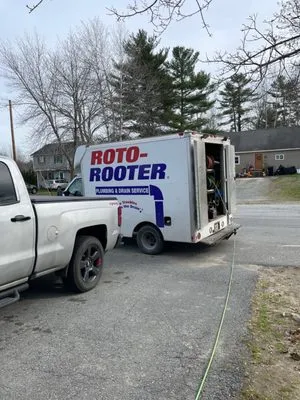
Roto-Rooter Sewer And Drain Service in Brewer, ME is your trusted local plumbing partner, providing reliable residential plumbing and drain cleaning services to the Brewer community. As America's Neig...
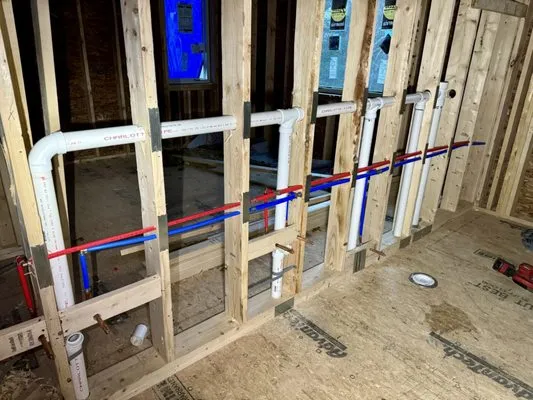
Precision Plumbing & Heating
Precision Plumbing & Heating is your trusted, local partner for all plumbing and HVAC needs in Bangor and surrounding areas. We specialize in comprehensive services, from emergency plumbing repairs an...

K Protech
K Protech is a trusted, state-licensed contractor serving Bucksport and the surrounding area, providing dependable plumbing, electrical, and heating solutions. Our team is dedicated to customer satisf...
Estimated Plumbing Costs in Newburgh, ME
Question Answers
Could my home's hillside location cause drainage issues?
Hilly terrain around Newburgh Town Office puts constant stress on main sewer lines through soil movement and gravity pressure. Downslope properties often deal with slow drains as waste fights uphill. Proper grading and reinforced pipe bedding prevent line separation—we check slope angles during inspections to catch issues early.
Why are my copper pipes suddenly leaking in multiple spots?
Copper pipes from 1989 often develop pinhole leaks due to internal corrosion and joint calcification. Scale buildup inside the pipes creates weak points that eventually fail. This isn't random—it's a predictable failure pattern for copper at this age, requiring section replacements rather than patch fixes.
Who handles permits for plumbing work in Newburgh?
I coordinate directly with Newburgh Code Enforcement Office for all required permits and handle Maine Plumbers Examining Board documentation. Licensed plumbers manage the red tape so homeowners don't have to navigate inspection schedules or code updates. This ensures work meets Maine's strict plumbing standards without delaying your project.
How quickly can a plumber reach my house in Newburgh?
Heading past Newburgh Town Office on I-95, a dispatch route covers most of the town within 45-60 minutes. Traffic on rural roads can add time during snow season. We plan routes to minimize delays, using I-95 as the main artery to reach homes off secondary roads efficiently.
My Newburgh home was built around 1989—should I be worried about my plumbing?
Copper pipes installed in 1989 are now 37 years old. In Newburgh Center, homeowners are seeing pinhole leaks and joint failures as the copper reaches the end of its typical lifespan. This age means the protective lining inside pipes has worn thin from decades of water flow. You might notice small drips behind walls or under sinks that weren't there a few years ago.
What should I do before spring thaw to avoid plumbing problems?
Before temperatures hit 6°F lows during spring thaw, insulate exposed pipes in crawl spaces and shut off outdoor spigots. This Snow Belt climate causes ground shifts that stress main lines—check for foundation cracks where pipes enter your home. A pro-tip: keep cabinet doors open on cold nights to let warm air circulate around sink pipes.
How does rural living affect my septic and well system maintenance?
Rural homes here rely on private septic and well systems that need regular servicing—municipal oversight doesn't exist. Well pumps require pressure tank checks, and septic fields need inspection every 3-5 years. Unlike city systems, you're responsible for everything from the well cap to the drain field, making preventive maintenance critical.
Does well water damage plumbing fixtures faster in Newburgh?
Private wells here often have acidic, corrosive water that eats away at water heater elements and fixture seals over time. You'll see premature failure in faucet cartridges and anode rods. Installing a whole-house neutralizer can extend your plumbing system's life by balancing the pH before it reaches your hardware.
