Top Emergency Plumbers in New Sharon, ME, 04955 | Compare & Call

There are 28 plumbing companies server in New Sharon ME
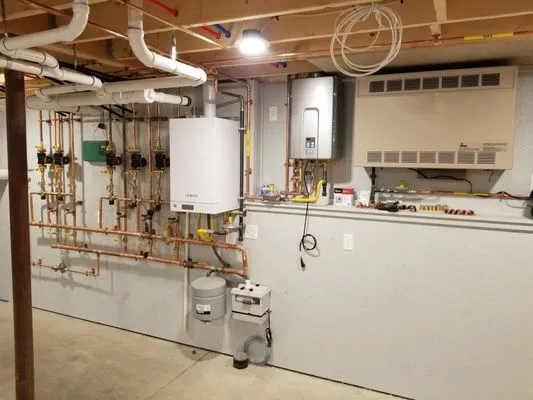
Leighton Plumbing and Heating
For over 24 years, Leighton Plumbing and Heating has been the trusted local resource for Westbrook's plumbing and heating needs. I find genuine satisfaction in the variety of work each day brings, fro...
Pro Stream Plumbing and Heating is a locally owned and operated company serving Oxford and the surrounding communities in western and southern Maine. Founded by Master Plumber Dylan Allen, the busines...
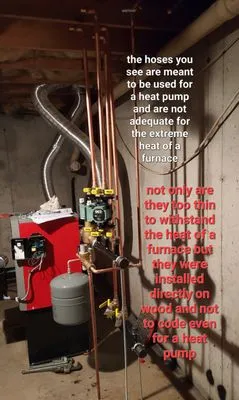
Forest Brooke Plumbing and Heating
Forest Brooke Plumbing and Heating is a trusted, family-run business serving Monmouth and the surrounding communities. We are a licensed, full-service provider, handling everything from routine plumbi...

Versatile Services is your local Auburn, ME, expert for residential and light commercial plumbing and heating needs. We provide comprehensive services including gas line installation and repair, plumb...
Murphy Plumbing is a veteran-owned plumbing service based in Auburn, ME, specializing in comprehensive plumbing solutions for residential and commercial clients. With 24/7 emergency availability, they...
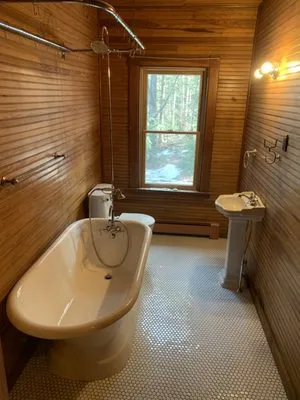
Lakeview Plumbing
Lakeview Plumbing is a trusted local plumbing service based in Belgrade, ME, dedicated to providing reliable solutions for residential and commercial plumbing needs. With a focus on quality workmanshi...
Matt, owner of A-1 Plumbing in Farmington, ME, brings 18 years of plumbing and mechanical contracting experience to his community-focused business. After working for a mechanical contractor, he starte...

Kennebec Plumbing & Heating
Kennebec Plumbing & Heating is a Fairfield-based, family-owned company founded in 2021 by Steven Weeks, a plumber with over a decade of experience. Seeing a need for dependable residential service in ...
Ridans Home Maintenance LLC is a locally owned and operated home maintenance company serving Moscow and the surrounding area. Founded to provide a more comprehensive contractor solution, we've built a...
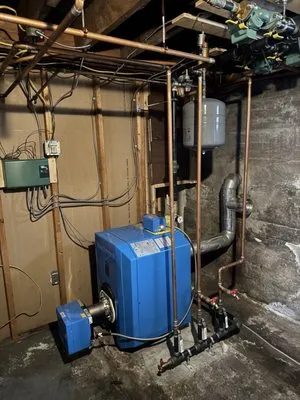
All Aspects Heating & A/C is your trusted, year-round home service provider in Mercer, ME. While known for reliable HVAC services, our expert plumbers are equally skilled in addressing common local pl...
Estimated Plumbing Costs in New Sharon, ME
Frequently Asked Questions
What permits are needed for a water heater replacement or repipe in New Sharon?
Most plumbing work requires a permit from the New Sharon Code Enforcement Office. As a Master Plumber licensed by the Maine Plumbers' Examining Board, I pull those permits, schedule the required inspections, and ensure the work meets all state and local codes. Handling that red tape is part of the job, so you have a documented, compliant system for your home's records and future sales.
Are there special plumbing considerations for a rural home with a well and septic system?
Rural systems operate independently. A failing pressure tank or well pump will leave you with no water, unlike a municipal supply. On the septic side, what goes down the drain is your direct responsibility; garbage disposals and certain chemicals can disrupt the tank's biology. Coordination between well, septic, and interior plumbing requires a holistic view to avoid solving one problem while creating another.
How long does it take for a plumber to get here in an emergency?
Heading past the Sandy River on State Route 27, the drive into the heart of New Sharon typically takes 45 to 60 minutes from a central dispatch point. That time can extend during a heavy snow event or the spring mud season when Route 27 sees more traffic and slower conditions. We factor that transit into our dispatch schedule to provide a realistic arrival window.
Why are pinhole leaks so common in copper pipes here?
Pinhole leaks are a signature failure for 1980s-era copper in our region. The corrosive, low-pH water from private wells slowly erodes the pipe's interior, particularly at joints where turbulent flow and older solder compositions create weak points. Over 40-plus years, this wear-through manifests as small, persistent leaks, often behind walls or under slabs, requiring section replacement or a full system upgrade.
What's the most important thing to do before a deep freeze to prevent frozen pipes?
Before temperatures hit our typical 6-degree lows, drain and shut off any exterior faucets and the water supply to outbuildings. Insulate pipes in unheated crawl spaces, which are common in our hilly terrain. Keep cabinet doors open to let warm air circulate around plumbing on exterior walls. A slow drip from faucets is a last resort, but managing drafts and cold air infiltration is a more reliable pro-tip for this snow belt.
Does our well water damage water heaters or fixtures faster?
Yes, acidic well water accelerates wear. Inside a water heater, the corrosive water attacks the glass-lined tank and the anode rod, leading to premature failure and rusty water. For fixtures, it etches chrome finishes and causes rubber washers and valves to degrade quickly. Installing a whole-house acid neutralizer is the most effective long-term defense for protecting all your plumbing appliances.
My house was built around 1980. Are my copper pipes nearing the end of their lifespan?
Copper plumbing installed in 1980 is now 46 years old. In New Sharon Village, that age often shows as pinhole leaks appearing in walls or ceilings, especially at fittings where the solder has thinned from decades of acidic well water. You might also notice a gradual drop in water pressure from internal scale buildup. It is a predictable lifecycle for copper in our area, and planning for a repipe is a prudent step for many homeowners now.
Could the hilly land around Sandy River be causing my drainage problems?
The slope of your property directly impacts drainage. On hills common near the Sandy River, surface water and spring thaw runoff can pool against a home's foundation, overwhelming perimeter drains. For the main water line coming up from the road, the constant gravitational stress on the pipe where it connects to the house can strain fittings and lead to leaks over time. Proper grading and secure, flexible pipe supports are critical.
