Top Emergency Plumbers in Milo, ME, 04414 | Compare & Call

There are 36 plumbing companies server in Milo ME

Kennebec Plumbing & Heating
Kennebec Plumbing & Heating is a Fairfield-based, family-owned company founded in 2021 by Steven Weeks, a plumber with over a decade of experience. Seeing a need for dependable residential service in ...
Ridans Home Maintenance LLC is a locally owned and operated home maintenance company serving Moscow and the surrounding area. Founded to provide a more comprehensive contractor solution, we've built a...
BPL Construction LLC is a local contractor based in North Anson, ME, serving Somerset County and surrounding Central Maine communities. We provide a comprehensive range of commercial and residential s...
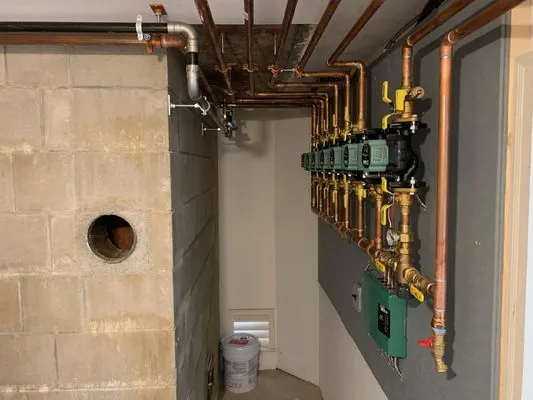
For over 16 years, J Eaton Plumbing & Heating has been a trusted, family-owned provider of plumbing, heating, and HVAC services for Bangor and surrounding Maine communities. As a licensed and insured ...
Roto-Rooter Sewer And Drain Service in Brewer, ME is your trusted local plumbing partner, providing reliable residential plumbing and drain cleaning services to the Brewer community. As America's Neig...
Precision Plumbing & Heating
Precision Plumbing & Heating is your trusted, local partner for all plumbing and HVAC needs in Bangor and surrounding areas. We specialize in comprehensive services, from emergency plumbing repairs an...

Spragues Plumbing Solutions is a trusted, locally-owned plumbing service in Glenburn, Maine, dedicated to keeping homes dry and systems running smoothly. We understand the unique challenges Glenburn h...

C&K Land Solutions is a trusted, full-service earthwork and demolition contractor serving Hermon and the surrounding communities. We specialize in the precise excavation, trenching, and site preparati...

The HVAC Doctor is a family-owned and operated heating, cooling, and plumbing service company based in Winterport, Maine, proudly serving Waldo and Penobscot Counties. Founded by owner/operator Tyler ...

Maine Stream Plumbing is your trusted local plumbing expert serving Carmel and central Maine. As a licensed and insured solo plumber, I bring years of hands-on experience to every job, from routine re...
Estimated Plumbing Costs in Milo, ME
Frequently Asked Questions
How quickly can a plumber reach my home in Milo during an emergency?
Heading past Three Rivers Kiwanis Park on Maine State Route 11, our dispatch route covers most of Milo within 45-60 minutes. We monitor traffic patterns and weather conditions to optimize response times. This route provides direct access to residential areas while avoiding potential bottlenecks during peak hours.
As a rural homeowner in Milo, what unique plumbing concerns should I address?
Rural properties in Milo typically have private wells and septic systems that require different maintenance than municipal services. Well pumps need regular pressure checks and sediment filters require changing more frequently. Septic systems demand careful water usage management and professional pumping every 3-5 years. These systems operate independently from town infrastructure, making preventive maintenance essential.
My house in Downtown Milo was built around 1945 - what should I expect from my plumbing now?
Galvanized steel pipes installed in 1945 are now 81 years old. Homeowners in Downtown Milo are seeing rust-colored water, reduced flow from faucets, and frequent leaks at threaded joints. The interior walls of these pipes accumulate mineral deposits over decades, narrowing the passage until water pressure drops noticeably. This aging infrastructure often requires complete repiping rather than spot repairs.
What should I do before spring thaw to prevent plumbing problems in Milo?
Before spring thaw when temperatures can drop to 2°F, disconnect and drain outdoor hoses, then shut off exterior water valves. Insulate exposed pipes in crawl spaces and basements, paying special attention to north-facing walls. Check for foundation cracks where cold air might reach plumbing lines during temperature swings common in this temperate climate.
Who handles permits and inspections for plumbing work in Milo?
The Milo Code Enforcement Office manages local permits while the Maine Plumbers' Examining Board oversees licensing requirements. As a licensed master plumber, I coordinate all necessary paperwork and inspections for your project. This includes securing permits for repiping, water heater replacements, or septic system modifications. I handle the red tape so you don't have to navigate multiple agencies.
How does Milo's hilly terrain affect my home's drainage system?
The hilly slopes around Three Rivers Kiwanis Park create drainage challenges that stress main sewer lines. Gravity pulls wastewater downhill rapidly, increasing pressure on pipe joints and potentially causing separation. During heavy rains, soil saturation on slopes can lead to lateral line infiltration or basement backups. Proper grading and regular line inspections help manage these terrain-specific issues.
Does water from the Sebec River damage my plumbing fixtures?
Water sourced from the Sebec River tends to be acidic and corrosive, which accelerates wear on water heaters and fixtures. The low pH attacks metal components, causing premature failure of anode rods in water heaters and pitting on chrome finishes. Installing a whole-house neutralizer or using dielectric unions between dissimilar metals can mitigate this damage.
Why do my galvanized steel pipes keep springing pinhole leaks?
Galvanized steel pipes from 1945 develop pinhole leaks due to internal corrosion and joint calcification. The zinc coating wears away over decades, exposing the underlying steel to water and oxygen. These weak spots manifest as small leaks that can quickly escalate, especially at threaded connections where dissimilar metals accelerate deterioration.
